
 Caleb Turner

Begin with thorough inspection of your wooden items. Look for small exit holes, frass (a powdery substance), and any structural damage indicating an infestation. Pay close attention to hidden areas, such as joints and corners. Once identified, isolate the affected pieces to prevent the pests from spreading.
Next, opt for a borate solution, a potent agent that penetrates the wood, killing larvae and preventing future infestations. Mix according to the manufacturer’s instructions and apply generously, ensuring every crevice is treated. Allow the solution to dry completely before reintroducing the item into your space.
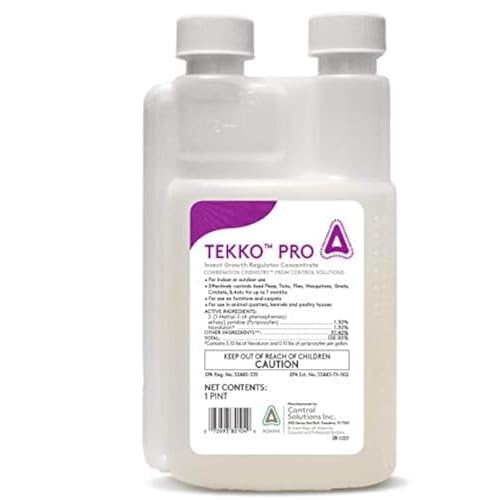


If the problem persists, consider professional pest control services. Experts can administer more intensive methods, such as fumigation or heat treatments, ensuring complete eradication. Keeping your wooden possessions well-maintained will further deter future attacks.
Identifying Wood Boring Beetles in Your Furniture
Inspect for small holes, typically 1/16 to 1/8 inch in diameter, which indicate that pests have emerged from the wood. Look closely at the surfaces of your items, paying special attention to vulnerable areas, where the wood may have weakened.
Check for fine powder, known as frass, which can appear at the site of infestation. This dust-like substance is a telltale sign of recent activity. If you notice any accumulation around the holes, it confirms the presence of these invaders.
Examine the Condition of the Wood
Observe any signs of structural weakening or soft spots. If the surface feels spongy or can be easily indented, it suggests that the internal integrity may be compromised. Darkened or discolored patches can also be indicative of infestations.
Be Aware of Species Differences
Certain types of pests exhibit distinctive traits. For example, the common furniture borer leaves larger exit holes compared to the powderpost beetle. Familiarize yourself with the characteristics of specific species, as this knowledge aids in pinpointing solutions and next steps.
Regular monitoring and meticulous inspection can help catch issues early. Document any findings, including the presence of holes or frass, which can support diagnosis during consultations with pest control professionals.
Assessing the Extent of Damage Caused by Infestation
I begin by examining the item closely for visible signs of damage, such as small exit holes and powdery frass residue. A thorough inspection can reveal the stage of infestation. I pay attention to any soft or weakened areas, which indicate deeper penetration by pests into the structure.
Identifying Key Indicators
To assess severity, I gently probe these affected zones with a tool, like a flathead screwdriver, ensuring I don’t inadvertently cause further harm. The amount of dust and particles that fall away signifies the extent of damage within. If a significant amount of dust accumulates, the infestation is likely more extensive than initially perceived.
Documenting Findings
I find it useful to document all observations, including the number of exit holes and areas of soft wood. This record aids in gauging the severity and planning for remediation. If I discover multiple affected areas or structural compromise, it may warrant professional evaluation to ensure comprehensive treatment and restoration.
Choosing the Right Treatment Method for Infestation
Identify the appropriate approach based on the level of infestation and type of wood structure. Start by considering the following options:
Chemical Solutions
- Insecticides: Utilize specialized insecticides that penetrate the wood to eliminate larvae and adults. Ensure to follow application guidelines closely.
- Aerosol Sprays: Quick solutions for localized infestations. Aim at affected areas, allowing the product ample time to settle and act.
Natural Remedies
- Essential Oils: Consider using oils such as clove or tea tree, known for their insect-repelling properties. Mix with a carrier oil for application.
- Vinegar Solutions: Mix equal parts of vinegar and water. Spray or soak the infested areas to disrupt the lifecycle of pests.
Assess the effectiveness of any chosen method after a few weeks. Repeat treatments may be necessary to ensure complete eradication. Always remember to protect your belongings and take safety precautions during application.
Engaging a professional for severe infestations might be advisable for optimal results and to avoid damage during the treatment process.
Applying chemical treatments safely and effectively
Before applying any chemical solution, I ensure proper ventilation in the area. Open windows and doors to allow fresh air circulation, which helps mitigate any harmful fumes that may be released during the process.
Always wear protective gear, including gloves, goggles, and a mask to shield against direct contact and inhalation of chemicals. I keep my skin covered by wearing long sleeves and pants to prevent irritation.
Choosing the right product is crucial. I opt for insecticides specifically formulated for eliminating pests in timber. These typically come in the form of sprays or gels. It’s essential to read the label carefully, following the manufacturer’s instructions on dosage and application. I take note of any safety warnings regarding flammability or toxicity.
For solution application, I prefer a methodical approach:
- I start by shaking the container well to ensure proper mixing.
- Using a brush or sprayer, I apply the treatment directly onto affected areas, ensuring thorough coverage.
- If the damage is extensive, I inject the solution into visible holes to target hidden larvae.
- I avoid over-saturation to prevent dripping and waste of the product.
After application, I seal the treated areas with plastic sheeting or tape. This helps contain the chemicals and enhances penetration into the timber. I allow the treatment to sit undisturbed for the recommended duration indicated on the product label.
Once the waiting period is over, I ventilate the space again. I also clean any excess treatment to prevent accidental exposure. I store leftover chemicals securely, out of reach of children and pets, following disposal instructions provided on the label for any empty containers.
By taking these precautions and steps, I ensure that the chemical solutions are applied effectively while minimizing any associated risks to my health and environment.
Using Natural Remedies for Wood Boring Insects
To combat the infestation of wood-destroying insects, essential oils can be highly effective. Oils such as neem, peppermint, and tea tree are known for their insect-repellent properties. I mix a few drops of one or a combination of these oils with water in a spray bottle, applying it directly to the affected areas.
Vinegar Mixture
A solution of vinegar and water also shows promise. I use equal parts white vinegar and water, as the acetic acid can disrupt the insects’ life cycle and deter their presence. Spraying this solution on infected sections can sterilize any eggs and larvae.
Heat Treatment
Raising the temperature can eradicate these pests effectively. I place the infected furniture in a heated room or use a heat gun to target specific areas, ensuring the temperature exceeds 120°F for at least 30 minutes, effectively killing any active larvae or eggs.
Preventing Future Infestations in Wooden Furniture
To avoid re-infestation, I ensure proper ventilation in areas with wooden items. Maintaining low humidity levels makes these environments less appealing. Using a dehumidifier is a practical way to achieve this.
I apply a protective finish to the surface of my wooden pieces. This barrier hinders insects from penetrating the material. Regularly inspecting and reapplying this finish can enhance its efficacy.
Routine checks are vital. I examine items for signs of infestation, such as small holes or fine dust. Catching issues early allows me to address them before they escalate.
I store wooden objects away from damp areas, such as basements or attics, where moisture accumulation often occurs. Keeping items off the ground on shelves minimizes exposure to rising moisture.
Incorporating essential oils like tea tree or lavender into my cleaning regimen helps repel unwanted pests. I add a few drops to my cleaning solution, enhancing my efforts naturally.
I avoid overcrowding my storage spaces. Allowing for air circulation around wooden items helps reduce moisture buildup and deters pests.
| Method | Description |
|---|---|
| Ventilation | Improves air circulation, lowers humidity. |
| Protective Finish | Creates a barrier against infestations. |
| Routine Inspections | Identifies early signs of damage. |
| Storage Conditions | Avoids damp and overcrowded environments. |
| Essential Oils | Naturally repels pests through scent. |
Repairing Furniture After Beetle Damage is Treated
Address structural integrity first. For areas with extensive damage, consider using wood filler or epoxy to restore surfaces. Identify affected spots, remove any decayed material, and apply the filler. Sand it down once dry to match the surrounding areas.
Reinforce joints by adding support brackets or wood glue if loose joints are evident. Tighten screws and replace any that are corroded or missing. This ensures durability and stability.
Refinishing can enhance appearance. Strip old finishes using a non-toxic solvent or sandpaper. Clean the surface thoroughly before applying a new finish. Choose stains or varnishes that match the original look while providing protective layers against further infestations.
Consider replacing panels or components that are beyond repair. Match the grain and color as closely as possible to maintain aesthetic harmony. Ensure any new wood is treated for pests to prevent recurrence.
Seal all gaps and cracks with caulk to deter future invaders. Regular inspections post-repair will help identify any new issues early, preserving the quality of the piece.
When to Seek Professional Pest Control Services
If I notice extensive infestation signs, such as numerous exit holes, fine wood powder, or dead insects, I realize it’s time to call for expert assistance. When the damage spreads beyond a small area, professional assessment becomes crucial.
In situations where DIY methods fail or a severe infestation persists despite treatment attempts, I opt for specialists. They possess tools and knowledge for deep treatments that reach affected areas I might miss.
If I suspect the presence of a structural threat, like compromised weight-bearing beams or support structures, I don’t hesitate to contact a pest control service. These issues can lead to significant damages if not handled swiftly and appropriately.
Moreover, if the infestation has spread to other pieces, I understand that professional intervention might prevent further damage beyond the initial items. This proactive approach ensures that I protect my entire collection rather than just one piece.
When considering chemical applications that can affect my health or the environment, I prefer to defer to trained professionals. Their expertise ensures the safe handling and application of potent substances.
Lastly, if I feel uncertain about identifying the type of infestation or its severity, reaching out for professional evaluation offers peace of mind. Knowledgeable technicians can accurately diagnose and provide tailored solutions, ensuring comprehensive management of the issue.


