 Caleb Turner

To maintain the allure of your outdoor seating, I recommend applying a high-quality wood sealer annually. This step prevents moisture absorption, protecting against rot and mildew. Choose a product designed specifically for outdoor usage, which will offer long-lasting results in variable weather conditions.
Next, regularly clean the surfaces using a mixture of warm water and mild soap. A soft-bristle brush can effectively remove dirt and grime without causing scratches. Avoid harsh chemicals that could strip the natural oils from the surface, leading to premature deterioration.
For deeper restoration, consider lightly sanding areas showing wear and applying a wood conditioner. This approach restores the natural luster and encourages even absorption of subsequent finishes. Completing this process with a stain or sealant enhances both color and protection against UV rays.

In case you notice peeling or flaking, remove loose coatings with a scraper and sand these areas before recoating. Ensuring a clean, even surface prior to application is vital for achieving a uniform finish. I find that these practices not only prolong the life of my outdoor seating but also keep it looking pristine despite the elements.
Maintenance Steps for Outdoor Wooden Creations
Regularly clean surfaces with a mild soap solution to remove dirt and grime. Use a soft cloth or sponge, avoiding abrasive materials that can cause scratches. Rinse thoroughly with water and let the pieces dry completely.

Applying Protective Coatings
Choose a high-quality oil or sealant designed for exterior use. Apply it every year to enhance durability against UV rays and moisture. Before application, ensure the surface is clean and dry. A brush or cloth works well for even coverage.
Repairing Damage
Inspect for signs of wear, such as cracks or splintering. Sand any damaged areas smoothly before treating them with oil or sealant. For significant damage, consider replacing affected sections to maintain structural integrity.
Choosing the Right Cleaning Solutions for Wood
Opt for a gentle detergent mixed with warm water for regular cleaning. This solution effectively lifts dirt and grime without harming the surface. Use a soft cloth or a non-abrasive sponge to apply.
Natural Cleaners
Consider a mixture of vinegar and water in a 1:1 ratio. This approach is eco-friendly and helps eliminate mildew while providing a fresh scent. Rinse thoroughly after cleaning to prevent any residue from affecting the finish.
Commercial Products
For heavier stains or deeper cleaning, select specially formulated wood cleaners. Look for products labeled as safe for natural surfaces, ensuring they are free from harsh chemicals that can strip finishes. Always test any product on a small inconspicuous area first.
In case of stubborn spots, a paste made from baking soda and water can work wonders. Apply it gently, let it sit for a few minutes, and then wipe clean with a damp cloth.
Protection against elements is equally important; applying a wood sealant or protective oil every season can significantly extend the lifespan of the materials.
Identifying and Repairing Wood Damage
Inspect for signs of harm, such as cracks, splits, or discoloration. A magnifying glass can help detect tiny flaws in the surface. Look out for soft spots; press gently to check for rot. If you notice any deep cracks, they likely require immediate attention. Use a chisel to clear out damaged areas and sanitize the space with a wood-safe solution.
To mend small cracks, I apply a wood filler that matches the original shade. Ensure the filler is level with the surrounding surface, then sand it down once dry. For deeper damage, consider using epoxy resin for a sturdy repair. Mix the resin according to the instructions and fill the cavity, smoothing it over before the curing phase.
For extensive rot, removing the affected section might be necessary. Cut out the rotten wood with a saw, ensuring to leave a solid base for the new piece. Cut a new section to fit snugly and secure it in place with wood adhesive. Reinforce it with screws for added strength.
Seal all repaired areas with a protective finish to guard against future moisture damage. Reapply this sealant regularly to maintain integrity. After repairs, I recommend monitoring the furniture more closely, especially during seasonal changes.
Sealing and Protecting Your Wooden Pieces
Choose a high-quality sealant that is suitable for outdoor conditions. Look for products specifically designed for exterior usage, as they provide enhanced durability against moisture and UV rays.
Application Process
- Clean the surface thoroughly to remove any dirt, debris, or previous finishes.
- Sand the wood lightly to ensure proper adhesion of the sealant.
- Apply the sealant evenly using a brush or a sprayer, following the manufacturer’s instructions.
- Allow adequate drying time as specified on the product label; this is critical for optimal protection.
- Consider a second coat for maximum efficacy, especially in areas exposed to heavy rain or sunlight.
Maintenance Tips
- Inspect regularly for signs of wear or damage to the sealant; reapply as needed.
- Maintain cleanliness by wiping down surfaces to prevent grime buildup.
- Avoid harsh chemicals that can wear down the sealant; stick to gentle cleaners.
Cold winters can be harsh. Store your items in a sheltered area if possible, or use protective covers to shield them from the elements. This proactive approach will significantly extend their life.
Best Practices for Storing Wood Furniture in Off-Season
Ensure items are clean and dry to prevent mold and mildew during storage. Avoid stacking pieces directly on top of each other to allow airflow, which minimizes moisture buildup.
Store in a cool, dry space. Extreme temperatures can cause warping or cracking. Aim for a temperature range of 50-70°F (10-21°C) and maintain low humidity.
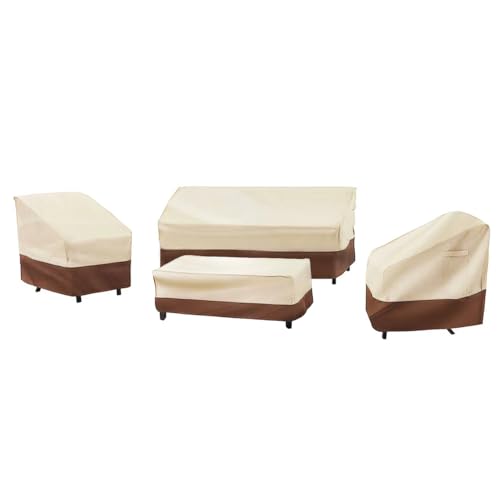
Use protective covers tailored for furniture. Choose breathable materials that guard against dust while preventing moisture accumulation. Avoid plastic covers, as they can trap humidity.
Elevate the furniture slightly off the ground using wood blocks or pallets. This positions items away from potential water damage and insects.
- Remove cushions and fabrics, storing them in a dry, pest-proof container.
- Keep smaller pieces with legs facing upwards to avoid surface contact with potentially damp floors.
- Utilize silica gel packs in storage containers to absorb excess moisture.
Inspect periodically for pests or moisture issues, especially in long-term storage. Regular checks allow for early intervention, safeguarding the integrity of your belongings.
Regular Maintenance Routines to Extend Lifespan
I recommend a routine of cleaning every few weeks during warm months. Use a soft brush or cloth to remove debris, followed by a gentle wash with soap and water. Rinse thoroughly to prevent residue buildup.
Inspect joints and connections monthly. Tightening screws and bolts will avoid structural issues over time. A small drop of wood glue can also strengthen connections.
Apply a protective oil or stain biannually. This helps to maintain moisture balance and prevent cracking or warping. Choose a product specifically formulated for outdoor timber. Ensure the surface is clean and dry before application, and follow manufacturer guidelines for the best results.
Store in a shaded area during inclement weather or close to winter months. Cover with breathable fabric to shield from dust and moisture while allowing air circulation. Ideally, keep away from direct sunlight to avoid discoloration.
For deeper care, consider a sand and refinish every few years. This refreshes the surface and extends durability. Prepare to sand lightly, clean thoroughly, and then apply a new coat of finish.
Here’s a summarized maintenance schedule:
| Task | Frequency |
|---|---|
| Surface cleaning | Every 2-4 weeks |
| Joint inspection and tightening | Monthly |
| Protective oil/stain application | Twice a year |
| Sand and refinish | Every 2-3 years |
| Winter storage preparations | Before winter season |
Techniques for Restoring Old or Faded Wood
Begin by cleaning the surface with a mixture of mild soap and water to remove dirt and grime. For stubborn stains, I recommend using a wood cleaner specifically designed for deep cleaning. Once the surface is clean and dry, assess for any weathered areas or discoloration.
Sanding
Employ medium-grit sandpaper to eliminate the top layer of damaged fibers. This process smooths rough spots and prepares the surface for refinishing. Follow up with fine-grit sandpaper for a polished look. Always sand along the grain to prevent scratches.
Staining and Finishing
Select a high-quality wood stain that matches your desired finish. Applying the stain helps restore color while enhancing the natural grain. Use a brush or cloth to apply uniformly, ensuring even penetration. After staining, allow it to dry completely before applying a protective sealant. Choose an outdoor sealant for best results, as it will guard against moisture and UV damage.
Regular maintenance can prolong the life of these items, ensuring their beauty and usability for years to come.
Choosing Finishes and Stains for Aesthetic Appeal
Select a finish that complements the natural beauty of the timber. For a classic look, consider a transparent or semi-transparent stain which highlights the grain while adding a subtle hue. Water-based options offer quick drying times and lower odor compared to oil-based products.
Popular Stain Choices
Among the most sought-after stains are cedar, walnut, and teak, each imparting distinctive shades. Cedar provides a warm, reddish tone, while walnut gives a rich, dark cover. Teak oil not only enhances color but also protects against moisture and UV damage.
Application Techniques
Use a high-quality brush or cloth for even application. Always follow the manufacturer’s instructions regarding the number of coats; often, two layers ensure optimal coverage. Allow sufficient drying time between coats to achieve the best finish.