Caleb Turner
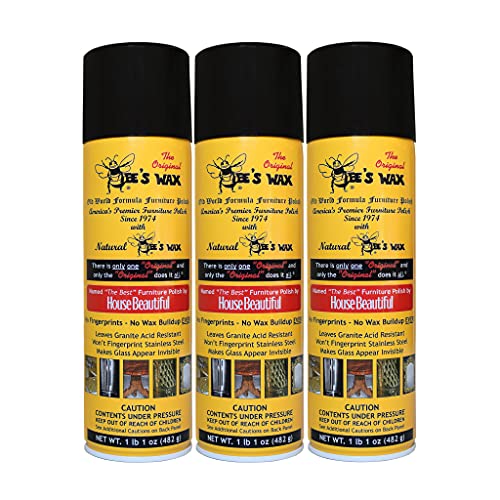
To revive furnishings that have lost their luster, I recommend applying a nourishing blend of mineral oil and beeswax. This substance penetrates the surface to hydrate the fibers while forming a protective coating, which helps maintain the integrity of the material.
I suggest beginning by cleaning the surface with a soft cloth to remove any dust and grime. Once the area is prepped, I typically apply the oil-beeswax mixture with a clean, lint-free cloth. This not only revitalizes the sheen but also prevents cracking and peeling.
For deeper imperfections, sanding the surface lightly with fine-grit sandpaper can make a significant difference. Ensure to follow the grain to avoid further damage. Afterward, reapply your oil-wax blend, allowing ample time for absorption before wiping off the excess.
Regular maintenance is crucial. I find that applying this mixture every few months keeps my treasured items looking their best and prolongs their lifespan. Always store these pieces in environments with controlled humidity to prevent future deterioration.
Care for Parched Timber Artifacts
Applying a high-quality mineral oil is my first course of action. It penetrates deeply, revitalizing the fibers and enhancing the surface appearance. I prefer using a soft cloth to evenly distribute this oil, ensuring full coverage.


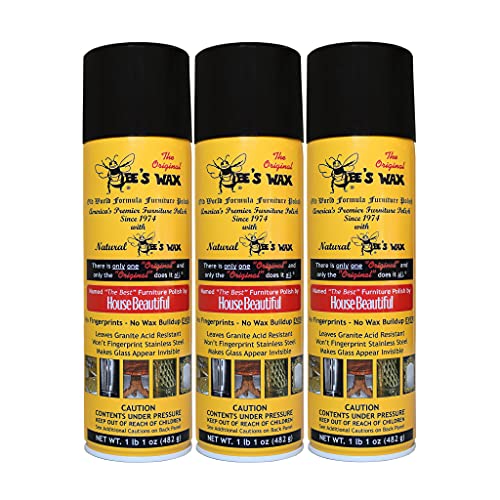
Another method I rely on is beeswax. I combine it with a carrier oil for better application. This mixture not only nourishes but also creates a protective barrier, reducing future moisture loss. I find rubbing it in circular motions yields the best results.
Regular maintenance is crucial. I make it a habit to wipe down the surfaces with a damp cloth, avoiding excess water, which can lead to further complications. Following this, I allow the item to air dry naturally, protecting it from direct sunlight that might accelerate dehydration.
Occasionally, I opt for a commercial conditioner designed for timber preservation. These products usually come with specific usage instructions, and I adhere to them strictly to prevent any adverse reactions.
Temperature and humidity control in my living space has proven beneficial for preventing further issues. Using a humidifier during arid months helps maintain stable conditions, promoting the longevity of my treasured pieces.
Identifying Signs of Dryness in Wood Furniture
I look for visible cracks or splits in the surface, as these signify a lack of moisture. Inspecting joints is crucial; if they appear loose or misaligned, it indicates potential deterioration.
Next, I run my fingers across the surface. A rough texture is often a clear indication of dehydration. Additionally, I pay attention to the finish; a dull or lifeless appearance suggests that the protective layer has worn thin.
Listening closely, I check for creaking sounds when moving the piece. This auditory cue can point to structural issues stemming from insufficient moisture levels.
X-raying the overall color is essential too. If the hue looks faded or lighter than usual, it may signal excessive dryness. I also watch for signs of dust accumulation, as overly thirsty materials can attract more particles.
Finally, the smell can be telling. A musty or overly woody odor might suggest the material is losing its natural oils.
Choosing the Right Wood Conditioner for Your Furniture
To rejuvenate my pieces, I opt for products specifically formulated for revitalizing neglected surfaces. Here are key factors I keep in mind:
- Type of Finish: I identify the existing finish on my item. Some conditioners work best on oil-based finishes, while others suit polyurethane or lacquer. This ensures compatibility and enhances effectiveness.
- Base Ingredients: I scrutinize the ingredients list. Natural oils, such as linseed and tung oil, usually penetrate well, while synthetic options may provide a glossy finish. I prefer natural for a more authentic feel.
- Application Method: I consider how easily I can apply the conditioner. Spray formulas may offer convenience, while liquid or gel forms provide control for deeper penetration. I choose based on my comfort level.
- Absorption Rate: Based on my experience, I select products that claim rapid absorption, preventing any sticky residue. This minimizes my wait time before I can use the pieces again.
- Drying Time: I look for conditioning agents with shorter drying times, allowing me to complete the project efficiently. Products that dry clear are also preferable, leaving no unsightly marks.
In my search, I often read reviews and check ratings to assess user satisfaction with different conditioners. Not every product will suit my needs, so I sample a few to find the perfect match for each unique item.
Step-by-Step Application of Wood Conditioner
Before applying a wood conditioner, ensure the surface is clean and free of dust or debris. Use a microfiber cloth to gently wipe the area. This step is crucial for achieving an even finish.
Materials Needed
| Item | Description |
|---|---|
| Wood Conditioner | Choose a product compatible with your specific timber type. |
| Brush or Cloth | A soft bristle brush or lint-free cloth for application. |
| Sandpaper | Fine-grit sandpaper for smoothing surfaces. |
| Clean Rags | For wiping off excess product. |
1. Lightly sand the surface using fine-grit sandpaper. This prepares the timber to absorb the conditioner properly. Wipe away dust with a clean rag.
2. Shake the wood conditioner well to ensure even distribution of ingredients. Apply a small amount to your brush or cloth. Work in manageable sections, starting at one edge.
3. Use long, even strokes to spread the conditioner, ensuring complete coverage. Avoid over-saturating the surface to prevent pooling.
4. Let the conditioner sit for the time specified on the product label. This generally ranges from 5 to 15 minutes, depending on the formulation.
5. After the recommended time has passed, wipe off any excess conditioner with a clean rag. Factors such as humidity and temperature can affect drying time, so monitor the surface if necessary.
6. Allow the treated area to dry completely before proceeding with stains or finishes. Typically, this may take several hours. For optimal results, wait at least overnight.
By following these steps, I ensure that my timber items receive the necessary care to enhance their appearance and longevity.
Best Oils to Revitalize Surfaces
For rejuvenating weathered and parched materials, consider incorporating the following oils into your maintenance routine:
1. Linseed Oil
This traditional option penetrates deeply, nourishing the grain and enhancing natural beauty. It’s ideal for unfinished or sanded surfaces, providing a protective layer against future desiccation.
2. Tung Oil
A favorite among artisans, tung oil dries to a resilient finish that highlights the richness of the grain. It’s particularly suitable for high-use items, forming a durable barrier against moisture loss.
| Oil Type | Benefits | Best Use |
|---|---|---|
| Linseed Oil | Deep penetration, natural finish | Unfinished or sanded materials |
| Tung Oil | Durable finish, protective barrier | High-use items |
| jojoba Oil | Non-greasy, light finish | Regular maintenance |
| Mineral Oil | Food-safe, easy to apply | Utensils and kitchen items |
When applying, remember to use a soft, lint-free cloth and buff the surface gently for even distribution. Regular maintenance with these oils will prolong the vitality and charm of your cherished possessions.
Using Beeswax for Added Protection
Beeswax is an excellent choice for enhancing the sheen and durability of surfaces. It provides a natural barrier against moisture and dirt, preserving the integrity of the material.
Follow these steps for optimal application:
- Clean the Surface: Use a soft cloth to remove dust and dirt. Ensure that the area is dry before proceeding.
- Choose the Right Beeswax: Opt for a high-quality, pure beeswax product. Some formulations include additional oils for better spreadability.
- Apply Beeswax: Rub a small amount of beeswax onto a clean, soft cloth. Work the wax into the surface in a circular motion, focusing on any areas showing signs of wear or dullness.
- Buff the Surface: After application, allow the wax to sit for a few minutes. Buff the area with a clean cloth until you achieve a desired shine.
- Layering: For enhanced protection, apply multiple thin coats. Allow each layer to dry completely before adding another.
Reapply beeswax every few months or when the surface begins to look less vibrant. Regular maintenance helps ensure that the finish remains intact, providing long-lasting beauty and protection.
Methods for Restoring Shine to Dull Surfaces
I recommend starting with a gentle cleaning to remove any dust or debris that might have accumulated. A soft microfiber cloth slightly dampened with water works well. For stubborn grime, mix equal parts of water and white vinegar, applying it with a cloth, then buff it dry.
Polishing Options
- Commercial Polish: Choose a high-quality furniture spray polish. Ensure it’s compatible with your surface type. Spray lightly and buff with a clean, soft cloth.
- Beeswax Polish: A natural alternative. Melt beeswax and mix with a few drops of essential oil for fragrance. Apply sparingly, then buff to a shine.
- Olive Oil and Vinegar Mix: Combine 3 parts olive oil to 1 part vinegar, applying with a soft cloth. This not only cleans but adds moisture and shine.
Regular Maintenance Tips
- Avoid using harsh chemicals or ammonia-based cleaners, as they can strip protective finishes.
- Keep surfaces away from direct sunlight and heat sources to prevent future dulling.
- Reapply polish every few months to maintain a protective layer and enhance shine.
Consistency in maintenance will significantly help in preserving the natural beauty and longevity of each piece.
Preventative Measures to Avoid Future Dryness
Maintain humidity levels in your living space between 30% and 50% using a humidifier, especially during winter months. This keeps the atmosphere suitable for the preservation of wooden pieces.
Position items away from direct sunlight and heating sources to prevent excessive heat exposure. Use curtains or blinds to shield them from strong rays that cause moisture loss.
Regularly apply a protective finish to surfaces. This can be oil or a specialized conditioner, serving as a barrier against moisture evaporation.
Consider placing coasters or mats under hot items, drinks, or plants to prevent moisture transfer or heat damage that can lead to cracks and splits.
Inspect the environment for leaks or dampness that might cause an imbalance. Address any plumbing issues immediately to maintain a consistent level of moisture.
Rotate your pieces occasionally to ensure even exposure to light and air, minimizing uneven fading or drying in specific areas.
Store your pieces in climate-controlled conditions during extreme weather. Protect them in a storage space with regulated temperatures and humidity levels.
Seasonal Maintenance Tips for Wood Furniture
Regular evaluations during seasonal changes can significantly enhance the longevity of your treasured items. I always start with a thorough cleaning using a microfiber cloth to remove any accumulated dust or dirt. This simple step prevents scratching during further maintenance.
Spring and Summer Care
In warmer months, I ensure that the environment has controlled humidity levels. I utilize a humidifier if the air is too dry. Additionally, applying a light coat of a suitable revitalizing agent every few months protects the surface from UV rays. Keep the surfaces away from windows to prevent fading.
Fall and Winter Considerations
As the colder months arrive, I focus on moisturizing the surfaces. I apply nourishing oils that help maintain elasticity and reduce cracking. Using coasters for drinks is essential to prevent heat damage. I also try to keep the temperature stable, avoiding hot air from heaters directly on surfaces.
By following these seasonal checks and treatments, I can ensure that my antique pieces remain in excellent condition throughout the year.
When to Consult a Professional for Wood Restoration
If you notice extensive cracks, deep scratches, or structural damage, seeking expert assistance is advisable. These issues often require specialized tools and knowledge that go beyond simple care methods.
Signs Indicating Professional Help is Needed
Fading colors or severe staining can signal that a trained technician is necessary for refinishing or restoring the hue. Additionally, if you detect pest infestations or signs of mold, immediate professional intervention is crucial to prevent further deterioration. An unstable or wobbling structure may also warrant professional evaluation to ensure safety and longevity.
Benefits of Professional Restoration Services
Experts possess access to high-quality materials and techniques that can revive pieces effectively, often achieving a finish that DIY methods cannot replicate. Their experience allows for a more thorough assessment, ensuring that all underlying problems are addressed, leading to enhanced durability and visual appeal.