
 Caleb Turner
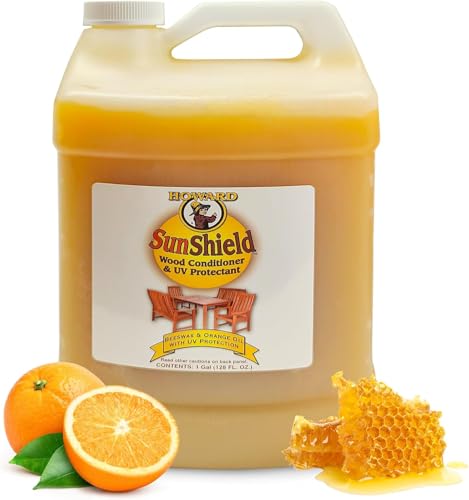
To maintain the stunning appearance of your eucalyptus creations, regular application of a high-quality teak oil or a specialized outdoor wood conditioner is vital. This step protects against the elements, preventing water damage and UV fading.
Cleaning should be done every few months. Use a mixture of mild soap and water with a soft cloth or sponge for this purpose. Avoid harsh chemicals that can strip natural oils from the surface, leading to dullness and potential cracking.
Inspect your pieces regularly for any signs of wear or damage. If you notice any peeling or rough spots, light sanding can restore their original smoothness. Following this, reapply your oil or conditioner to ensure continued protection.
Finally, during harsh weather conditions, consider covering your eucalyptus items to shield them from rain and direct sunlight. This simple practice can significantly extend their lifespan and keep them looking their best.


Care for Eucalyptus Outdoor Pieces
Regular oiling with a high-quality teak oil every 6 to 12 months enhances the natural beauty and durability. This acts as a protective barrier against moisture and UV rays. Make sure to thoroughly clean the surface before application; a mixture of mild soap and water works well. Dry completely before applying the oil.
Cleaning Routine
A soft brush or cloth should be used to remove dirt and debris. For stubborn stains or mildew, a diluted vinegar solution can be applied. Rinse with water and let dry in a shaded area to prevent warping or fading.
Storage and Protection
If possible, store these items in a dry, sheltered location during extreme weather conditions. Use furniture covers designed for outdoor spaces to shield from rain and sun, which helps extend their lifespan. Ensure any coverings are breathable to avoid moisture buildup.
Choosing the Right Finish for Eucalyptus Wood
For optimal protection, I recommend using an oil-based finish, such as teak oil or tung oil. These oils penetrate deeply, enhancing the grain while providing substantial moisture resistance.
For those preferring color, a semi-transparent stain can provide a rich hue while allowing the natural patterns of the grain to show through. This is especially helpful for outdoor conditions, as it combines both aesthetics with protection.
A polyurethane sealant offers a robust layer against wear and tear, making it suitable for high-traffic applications. However, ensure the polyurethane is specifically made for outdoor settings, as UV resistance is crucial.
Below is a comparison of different finishes:
| Type of Finish | Protection Level | Aesthetic Impact | Recommended Frequency of Application |
|---|---|---|---|
| Teak Oil | Moderate | Enhances grain | Every 3-6 months |
| Tung Oil | High | Rich, warm finish | Every 6-12 months |
| Semi-Transparent Stain | High | Varied hues | Every 1-2 years |
| Polyurethane Sealant | Very High | Glossy or satin finish | Every 2-3 years |
Regardless of the choice, ensure the surface is clean and dry before application. Proper surface preparation enhances adhesion and longevity of the finish.
Preparing Eucalyptus Furniture for Treatment
Clean the surface thoroughly using a mix of mild soap and water. A soft brush or cloth will help remove dirt and grime. Rinse well and let it dry completely before proceeding.
Inspect the Surface
Check for signs of wear, such as scratches or dents. Lightly sand these areas with fine-grit sandpaper to create a smooth surface for the upcoming application of finishes. Dust off the furniture afterward.
Conditioning the Material
If the grain appears rough or dry, apply a suitable conditioner. This prepares the material to better absorb the upcoming potions. Follow the product instructions for the right amount and application method.
Ensure the area is well-ventilated and free from moisture during the preparations. These steps ensure the longevity and aesthetic appeal of your outdoor pieces.
Applying Oil or Stain to Eucalyptus Wood
Applying oil or stain significantly enhances the durability and aesthetic appeal of your outdoor seating. I recommend using a penetrating finish specifically designed for hardwoods to ensure optimal protection against moisture and UV rays.
Selection of Products
Choose high-quality teak or linseed oil for a natural look. Both provide excellent penetration and moisture resistance. Alternatively, opt for a semi-transparent stain that complements your desired color palette while allowing the natural grain of the timber to remain visible.
Application Process
Before application, ensure the surface is clean and free from dust. Using a fine-grit sandpaper (typically 220-grit), lightly sand the surface to promote adhesion. Apply the oil or stain with a clean, lint-free cloth or brush, working in the direction of the grain. Allow the first coat to absorb fully before assessing the need for a second application, typically after 30 minutes.
For best results, reapply oil or stain every 6-12 months, depending on your local climate conditions, positioning, and usage. Regular maintenance prolongs the life of your seating and keeps it looking stunning.
Cleaning and Maintaining Eucalyptus Furniture Regularly
I recommend starting with a gentle cleaning routine for your outdoor seating. Use a soft-bristle brush or a microfiber cloth to remove dirt and debris. For a deeper cleanse, mix mild soap with warm water, applying it using a sponge. Rinse with clean water and allow it to air dry completely.
Frequency of Cleaning
- Monthly during the season.
- Bi-annually for less active months.
Regular attention prevents grime buildup and extends longevity. Inspect for signs of wear or mold, addressing issues immediately with appropriate solutions.
Additional Maintenance Tips
- Apply a protective finish annually to maintain color and integrity.
- Store items indoors during harsh weather to mitigate damage.
- Wipe away spills quickly to prevent staining.
I suggest using a protective cover over the items when not in use. This practice minimizes exposure to elements and keeps surfaces clean. Staying proactive in maintenance guarantees that your outdoor pieces remain inviting and functional for years to come.
Protecting Eucalyptus Furniture from UV Damage
I always apply a high-quality UV protectant specifically designed for outdoor surfaces. This increases resistance to harmful rays that can cause fading and degradation. Regular applications, ideally every six months, ensure lasting protection.
Before applying any UV protectant, I clean the surface thoroughly. This step removes dirt and debris, allowing the product to bond effectively. A mixture of mild soap and water is my go-to for cleaning, followed by a thorough rinse.
Once the surface is dried completely, I choose a product with a clear finish that includes UV blockers. This type of protectant not only preserves the natural look but also enhances durability against sun exposure.
In addition to applying a protectant, I also consider using canvas or breathable covers when the furniture is not in use. This extra layer prevents direct sunlight contact, minimizing potential damage and prolonging the lifespan of the seating.
Regular inspections help me identify any signs of wear or fading early. If any damage is noticed, I take action immediately, either by reapplying the protectant or performing necessary repairs to maintain the condition of the pieces.
Winter Care Tips for Eucalyptus Outdoor Furniture
As temperatures drop, it’s vital to prepare your garden seating for the chill. Start by cleaning all surfaces thoroughly to remove dirt and moisture. A mixture of mild soap and water will work effectively; scrub gently and rinse well. This eliminates any contaminants that might lead to damage during winter.
Cover with Appropriate Material
Invest in high-quality covers that are water-resistant yet breathable. This prevents moisture accumulation, which can result in mold or mildew. Ensure the covers fit snugly to protect against wind, but allow some air circulation to avoid trapping humidity.
Storage Solutions
If possible, move your garden items to an indoor location, such as a garage or shed. If indoor storage isn’t an option, elevate your seating off the ground using pallets or wooden planks. This inhibits moisture absorption from the soil during wet conditions.
Consider applying a protective coat before the cold sets in. Look for a specialized outdoor sealant that works for your material type. Regularly inspect the condition until spring to catch any wear that may develop due to fluctuating temperatures.
Monitor for signs of damage throughout the season. If you notice any peeling or cracking, address it right away to prolong lifespan and ensure they remain inviting for the warmer months ahead.


