Caleb Turner

I recommend enlisting the help of friends or family for this task. Their extra hands can make a significant difference in managing bulkier items. Make sure to communicate effectively about which pieces need to be moved, ensuring that everyone is on the same page to streamline the process.
If you lack a vehicle, consider a rental service specifically designed for hauling goods. Many rental companies offer competitive rates and provide larger vans or trucks equipped with tie-downs, making the transport safer. Check online for the best deals and availability in your area to save both time and money.
Public transport can also serve as a viable option. Buses and trains with designated areas for larger pieces can accommodate your needs at a fraction of the cost. Be sure to check the regulations of the specific transit service and plan your journey during off-peak hours to avoid any hiccups.
Lastly, investigate local delivery services that specialize in assisting individuals with their belongings. Many services operate on a per-hour basis, allowing you to keep costs manageable. Always read reviews and verify credentials to ensure you’re hiring a reliable provider.


Utilizing Public Transportation for Moving Furniture
I recommend checking local bus and train services that allow larger items. Many cities have specific routes enabled for this purpose, but it’s vital to confirm policies ahead of time. Contact the transportation authority to inquire about restrictions on size and weight.
Purchase a ticket for both yourself and your oversized item, as policies can vary significantly by provider. You might need to travel during off-peak hours to ensure ample space.
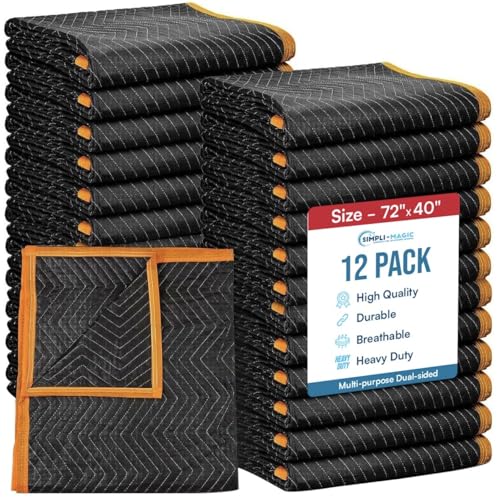
Secure your belongings properly; use protective materials, such as blankets or bubble wrap, to prevent damage during the journey. A sturdy, well-designed dolly can also simplify the process, provided you know how to maneuver it safely in crowded areas.
Some areas offer dedicated moving services alongside public transit. If available, these can be a practical option for transporting larger pieces in a designated vehicle. Check for any scheduled services that may coincide with your needs.
Consider reaching out to fellow commuters; they may have valuable insights about the most compatible routes and times. This can help you avoid peak periods, allowing for a smoother experience.
Plan your route meticulously, including the distance from transit stops to your final destination. A well-researched plan can save time and effort when managing sizeable items.
Lastly, keep an eye on local regulations regarding moving items in public transit, as non-compliance can lead to fines or missed opportunities. Always stay informed about your rights and options while using these communal vehicles.
Hiring a Moving Service for Small Loads
For those small but significant items, hiring a moving service can streamline the process effectively. I recommend looking for local companies that specialize in smaller load moves. They often provide flexible scheduling, allowing me to choose a time that fits my needs. Many of these services also have different vehicle options, ensuring my belongings are handled with care.
Cost Considerations
When selecting a moving service, it’s wise to get multiple quotes. Many providers charge based on distance and time, but some offer flat rates for short moves. I typically inquire about any additional fees, such as fuel costs or charges for stairs, to avoid surprises later. Budgeting around $100-$300 for small loads is common, but this may vary based on my specific requirements.
Service Features
Prioritize companies that provide packing assistance; it can make organizing and loading simpler. Additionally, checking reviews and ratings can give insights into reliability and customer satisfaction. I find that choosing a service that offers insurance or guarantees for my items adds a layer of security, making me feel more at ease during the entire process.
Renting a Van or Truck for DIY Transport
Choosing a van or truck rental can significantly simplify moving large items. Here’s how to effectively do it:
Finding the Right Rental Service
Research local rental companies that offer vehicles suitable for heavy loads. Key factors to consider:
- Size: Ensure the vehicle can accommodate your items.
- Cost: Compare rates and check for hidden fees.
- Insurance: Verify what coverage is included and consider additional options.
Planning Your Move
Before picking up the vehicle, create a detailed plan:
- Measure your items and compare with the van or truck dimensions.
- Gather necessary packing materials ( blankets, straps, etc.) for protection.
- Schedule the rental during off-peak hours to avoid long lines.
Make sure to check the vehicle’s fuel policy before leaving. Returning it with the same amount of fuel can save you unexpected charges.
Using Bicycle Trailers for Smaller Items
I found that utilizing bicycle trailers is an excellent choice for moving smaller belongings. These attachments allow me to haul various items securely while cycling.
Here are key points to consider:
| Features | Description |
|---|---|
| Capacity | Most trailers can carry up to 100 pounds, making them suitable for multiple smaller items. |
| Attachment | Look for models that easily connect to different bicycle types, ensuring a secure fit. |
| Stability | Choose a design with a low center of gravity to provide better balance on various terrains. |
| Weather Resistance | Select options with covers or waterproof materials to protect belongings during transit. |
| Foldability | Consider foldable models for easy storage and transport when not in use. |
Additionally, I recommend planning the route ahead of time. Opt for bike lanes or quieter streets to enhance safety and convenience. A clear path will make the process smoother and less stressful.
Make sure to test the trailer with a light load before loading heavier items, ensuring it functions as expected. This practice helps to identify any adjustments needed for a comfortable ride.
Asking Friends or Family for Help with Transportation
Reach out to friends and family who live nearby. Personal connections can simplify the moving process and often come with a willingness to assist.
Here are some strategies to maximize your chances of getting help:
- Be specific: Indicate exactly what you need. Instead of a vague “Can you help me?”, detail the items and what assistance you require, whether it’s lifting, carrying, or loading.
- Choose the right time: Select a day and time when your friends or family are likely to be available. Weekends or evenings after work can be ideal.
- Offer incentives: Prepare snacks or refreshments to make the experience more enjoyable. A simple pizza or drinks can go a long way in showing appreciation.
- Express gratitude: After the task is completed, thank them sincerely. A follow-up with a thank-you note or invitation to gather later can reinforce your appreciation.
- Be understanding: Recognize that they might have their own commitments. If they decline, respect their decision without pressure.
Additionally, create a group chat or event to coordinate schedules among your helpers. This fosters open communication and keeps everyone informed about the plan.
Lastly, don’t hesitate to ask for referrals if someone can’t help but knows others who might. This can widen your network for assistance.
Disassembling for Easier Maneuvering
Begin by identifying which pieces can be taken apart. Most items like beds, tables, and shelves are designed for assembly and disassembly. Use a screwdriver set and Allen wrenches to carefully detach components. Keep screws and small parts in labeled bags to avoid losing them.
Steps to Follow
1. Clear the Space: Ensure you have ample room to work. Remove all items from the surfaces to prevent damage.
2. Document the Process: Take photos as you disassemble. This serves as a reference for reassembly and helps track the order of parts.
3. Label Each Piece: Mark larger sections with corresponding numbers or labels. This will simplify the reassembly process later on.
Final Tips
To protect surfaces, wrap delicate parts with bubble wrap or blankets. For large units, try to remove only the heaviest components that make them cumbersome. Always double-check the structural integrity before reassembling to ensure durability.
Finding Local Delivery Services or Apps
I recommend using apps like TaskRabbit or Dolly to connect with local delivery services. These platforms allow you to hire individuals with vehicles, skilled in moving items from one location to another. Just enter the details of your project, set your budget, and receive offers from various helpers.
Another option is checking local classified websites such as Craigslist or Facebook Marketplace. Often, users offer delivery services at competitive prices. Look for reviews and ratings to ensure reliability.
Explore Rideshare Platforms
Utilizing rideshare apps like Uber or Lyft can be beneficial, especially for smaller items. Some drivers offer larger vehicles and might be open to helping with larger loads for an additional fee. Before booking, confirm with the driver about the space available.
Community Boards and Local Groups
Engaging with community groups on platforms like Nextdoor can lead to useful connections. Locals often share recommendations for delivery services or individuals willing to help for a nominal fee. Creating a dedicated post seeking assistance may yield quick responses.