
 Caleb Turner
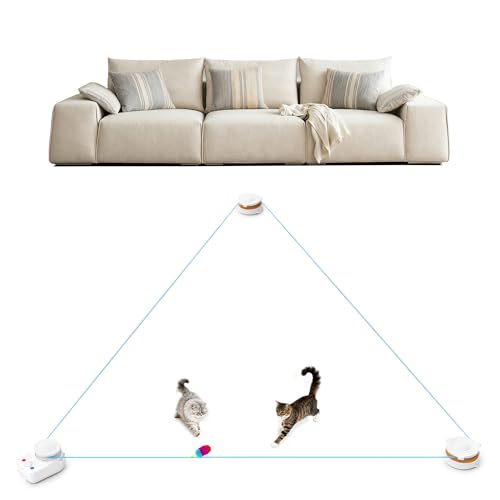
Apply double-sided tape on the edges of tables and countertops. The sticky texture is often unappealing to pets, providing an immediate sensory deterrent. Cats typically dislike the feeling of their paws sticking to surfaces, which can help discourage unwanted behavior.
Incorporate strategically placed distractions. Create a designated play area equipped with engaging toys and scratching posts nearby. Redirecting attention to these alternatives reinforces positive habits and minimizes the desire to explore less appropriate locations.
Introduce audible deterrents. A simple can filled with coins creates a startling noise when knocked over, effectively training your pet to associate the sound with the disallowed behavior. Consistent use of this method reinforces boundaries and teaches them to think twice before attempting to explore those heights.



Consider using scent repellent sprays. Citrus scents are often unappealing to felines. Lightly mist furniture with a cat-safe deterrent to discourage your pet from venturing onto those surfaces. This non-invasive approach can help maintain household order while keeping your companion happy.
Be persistent and patient. Conditioning takes time and consistency. Regularly reinforce your expectations without resorting to punishment. Positive reinforcement, like treats or praise when they choose the right area to explore, builds a supportive environment while eliminating unwanted climbing.
Training Techniques to Discourage High Surfaces
Utilize a gentle deterrent spray to make surfaces unappealing. Spraying citrus or vinegar mixtures can effectively discourage your pet from venturing onto sofas and tables. Ensure the solution is safe and tested on inconspicuous areas to avoid damage.
Redirecting Attention
Provide interesting alternatives such as scratching posts or climbing trees. Place these items near the restricted areas, encouraging exploration in designated zones instead of living spaces. Use enticing toys, such as feather wands or laser pointers, to captivate their focus and reward them for choosing appropriate spots.
Consistency is Key
Establish reliable boundaries. Use verbal cues like “no” or “off” whenever your pet ascends onto forbidden areas. Consistent responses help reinforce the message. Engage other household members to ensure a unified approach, reinforcing the same commands and rewards for desired behaviors.
Understanding Your Feline’s Behavior
Recognize that vertical spaces are appealing to your pet. They seek high perches for security and observation, driven by instinct. Elevated positions provide a vantage point to monitor their surroundings, mirroring natural hunting instincts.
When I observe my pet’s desire to leap onto surfaces, I note the importance of alternative options. Scratching posts or climbing trees can satisfy their urge to explore heights while preserving my living space. Providing these dedicated structures diverts attention from valuable furnishings.
Utilize positive reinforcement techniques to encourage the use of these alternatives. Rewarding with treats or affection when they engage with designated items creates a favorable association. This method capitalizes on their motivation for praise and rewards.
Understanding the patterns of behavior can minimize unwanted actions. For instance, if my pet frequently aims for specific areas, assessing those spaces for appealing scents or visual stimuli helps address the root of the issue.
Maintain consistency in responses to their actions. If I discourage certain behaviors one day but allow them the next, it confuses them. Establishing clear boundaries aids in reinforcing the desired habits.
Lastly, consider environmental enrichment to diminish boredom. Interactive toys or engaging activities can redirect their focus and energy, making them less inclined to seek out restricted areas for entertainment.
Creating a Cat-Friendly Environment
Provide vertical spaces such as cat trees or shelves to redirect climbing behavior. Regularly place these structures near windows or cozy spots to attract interest.
Designate Play Areas
Establish zones for interactive play with toys. Use feather wands or laser pointers to engage energy while keeping off elevated surfaces. Incorporate scratching posts nearby to satisfy natural instincts.
Offer Alternatives
Introduce soft bedding and beneath-furniture hideaways as resting options. Create a comfortable area that will tempt her to relax instead of seeking out elevated spots. Consistent reinforcement will encourage her to choose designated options.
Setting Up Clear Boundaries
I recommend establishing specific areas where your furry companion is allowed to roam freely. Designate these spaces with mats, scratching posts, or even low furniture that provides an acceptable climbing option. This makes it clear where the boundaries lie.
Using Deterrents
Incorporate natural deterrents around areas that are off-limits. Citrus scents or commercial sprays can be particularly effective. These scents are often unappealing to felines, discouraging them from approaching restricted zones.
Consistency is Key
Every household member should follow the same guidelines. If I notice mixed signals being sent, it only confuses my pet. Reinforcing boundaries consistently fosters a clear understanding of available and restricted areas.
Using Positive Reinforcement Techniques
I reward my feline companion with treats and affection whenever they choose to sit in designated areas instead of seeking heights. This method reinforces the desired behavior and encourages repeat actions. I focus on consistency; every time my pet opts for the ground-level spots, I provide a small treat immediately.
Creating a Reward Schedule
Setting a schedule for rewards can help instill good habits. I observe and note when my furry friend is most active and likely to explore surfaces. During these times, I ensure to have treats readily available to acknowledge and positively reinforce lower-level behavior.
| Time of Day | Activity Level | Treat Frequency |
|---|---|---|
| Morning | High | Every 5 minutes |
| Afternoon | Medium | Every 10 minutes |
| Evening | Varies | Every 15 minutes |
Using Interactive Toys
I incorporate interactive play into my routine with toys that encourage jumping and pouncing on lower surfaces. This keeps my pet engaged and satisfied, reducing their interest in elevated spaces. Choosing toys that dispense treats becomes an added incentive, reinforcing the positive choice of staying down low while having fun.
Redirecting Attention to Alternative Choices
I often find that providing appealing alternatives helps shift a feline’s focus away from places they shouldn’t be. Invest time in creating attractive scratching posts or climbing trees in areas where your companion typically likes to perch. Position these options near the restricted zones to naturally draw their curiosity and energy.
Introduce various toys that stimulate engagement and play. Interactive toys like laser pointers or feather wands can effectively redirect attention during moments of mischief. Regularly rotate these items to maintain interest; this can keep your companion occupied and less inclined to seek out off-limits surfaces.
Engagement through Play
Establish a routine for interactive play sessions. This not only provides physical exercise but also mental stimulation. I’ve noticed that after a vigorous playtime, my furry friend tends to be more relaxed and less prone to exploring restricted areas.
Cozy Alternatives
Create cozy resting spots using blankets or soft cushions in preferred areas. This encourages them to settle in designated safe spaces rather than on tables or couches. Experiment with different textures and locations until you observe a choice that they favor.
Incorporating these methods consistently helps build a more harmonious living environment, promoting positive actions while minimizing undesirable behavior. Focus on engaging alternatives will usually lead to better choices and a happier companion.
Implementing Deterrents Effectively
Utilize physical barriers to dissuade unwanted behavior. For example, covering surfaces with sticky tape or aluminum foil creates an unpleasant texture that discourages jumping. Additionally, double-sided tape can be strategically placed on areas you want to protect.
Use motion-activated devices that emit sounds or sprays when activated. These can be positioned around key areas to startle and redirect attention. Ensure these devices are safe and humane, avoiding any potential stress for your pet.
Creating Aversion Through Natural Remedies
- Apply citrus scents to surfaces; many felines find these unpleasant.
- Utilize vinegar or commercial natural deterrents that are safe for home use.
- Experiment with herbal solutions like lavender or rosemary, which may help keep them away.
Consistent Environmental Management
Maintain a tidy and clutter-free environment, removing attractants that may encourage exploration of unwanted areas. Regularly check and update your strategy based on your companion’s reactions. Observe which locations require more attention and adjust your deterrent methods accordingly.
Be patient while recognizing that consistency reinforces boundaries. Frequent application of these deterrents will help establish a habit of staying away from specific zones over time.
Maintaining Consistency in Training
Establish a routine that reinforces desired behaviors daily. I make sure to respond to my pet’s actions with the same cues and reactions every time. This clarity helps to eliminate confusion and promotes quicker understanding.
Synchronize training efforts among all household members. It’s crucial that everyone uses the same commands and rewards. If one person allows access to specific areas while another restricts it, mixed signals can lead to inconsistent behavior.
Reward Regularly
Use rewards consistently for positive actions. I find that immediate reinforcement after my companion chooses an acceptable spot effectively encourages repetition of that behavior. Delayed rewards may not be as impactful since the connection between the behavior and the reward can fade.
Be Patient
Patience is vital throughout this process. I remind myself that understanding takes time, and regression may occur. Consistently implementing training methods will gradually yield the best results, allowing my pet to adapt without stress.
Monitoring Progress and Adjusting Strategies
I monitor advancements through consistent observation. Keeping a journal helps track reactions and behaviors. Document instances when my pet adheres to or deviates from set expectations. This allows me to note patterns, such as specific times or situations when rule-breaking is more frequent.
Evaluating the effectiveness of methods used is crucial. I ask myself:
- Are deterrents working effectively?
- Is positive reinforcement reinforcing desired behaviors?
- Are redirecting strategies capturing attention successfully?
If progress stalls or unwanted actions increase, I reassess my approach:
- Enhance rewards for compliance with more appealing treats or praise.
- Adjust the environment to minimize temptations, such as moving objects that draw interest.
- Introduce alternative distractions, experimenting with different toys or activities that engage.
Flexibility in strategy is key. I remain open to trying new techniques, looking for what resonates best. Celebrating small victories provides incentive and reinforces positive developments. Each successful step forward builds confidence, making future adherence easier.
Progress checks keep me aligned with objectives. Regularly revisiting goals allows me to refine the approach, ensuring it’s suitable for my pet’s unique personality and preferences. This ongoing assessment leads to a more harmonious living environment.
FAQ:
What are some reasons cats like to climb on furniture?
Cats are naturally curious and agile animals. They often climb on furniture to explore their environment, find a comfortable resting spot, or get a better view of their surroundings. Furniture can provide an elevated position, allowing them to feel secure and observe their territory. Additionally, climbing may be a way for them to express their energy or playfulness, especially if they are bored or lack sufficient stimulation in their environment.
How can I discourage my cat from jumping on the couch?
To discourage your cat from jumping on the couch, you can try a few strategies. First, provide alternatives like cat trees or shelves where they can safely climb and observe their environment. Additionally, you can use double-sided tape or a soft cloth with a texture they dislike on the areas they frequently climb. This makes the surface less appealing. Another method is to use deterrent sprays that are safe for cats to discourage them from climbing on certain furniture. Consistency is key, so make sure to redirect them to their alternatives whenever they approach the couch.
Are there any techniques to train my cat to stay off the dining table?
Yes, you can train your cat to stay off the dining table using several techniques. One method is to make the table less inviting by removing food and other appealing items. Use noise deterrents, such as a can filled with coins that can make a sound when the cat jumps up, to startle them away. Always reward your cat with treats or affection when they listen to your commands to stay off the table. Establishing a regular feeding area away from the table can also help reinforce that the dining table is not a place for them.
Is it possible for cats to learn not to climb on furniture at any age?
Cats can learn not to climb on furniture at any age, but the training process may vary. Younger cats may adapt more quickly due to their natural curiosity and adaptability. However, older cats can also learn new behaviors, although it may require more patience and consistency. The key is to establish clear boundaries, provide alternatives, and consistently reinforce desired behaviors. Positive reinforcement, such as treats and praise, can help your cat associate staying off the furniture with rewards.
What are some positive reinforcement methods I can use to train my cat?
Positive reinforcement methods for training your cat include using treats, verbal praise, and petting to reward desired behaviors. For example, when your cat chooses to stay on the floor instead of jumping on furniture, immediately give them a treat or a kind word. You can also use interactive toys or playtime as rewards. The goal is to create a positive association with the behaviors you want to encourage, making it more likely that your cat will repeat them in the future. Consistency and timing are crucial to ensure your cat understands what behavior is being rewarded.


