
 Caleb Turner

Begin by ensuring that the protective layer is appropriately fitted to your outdoor seating arrangement. A snug fit helps prevent wind from getting underneath and lifting it. Look for adjustable straps or ties integrated into the design; these will significantly enhance security.
Next, I suggest using additional weights, such as decorative stones or bricks, placed strategically on the corners of the shield. This adds an extra layer of defense against strong gusts. If the area is particularly windy, consider using specific anchor systems designed for this purpose.
Lastly, routinely check the functionality of the fastenings throughout the season. This maintenance ensures that everything remains intact and snug during inclement weather. A little attention goes a long way in keeping your outdoor pieces in pristine condition.
Securing Outdoor Protective Sheeting
For optimal stability, I recommend using heavy-duty bungee cords or straps with adjustable lengths. These allow for a snug fit and easy adjustments based on changing weather or the size of your outdoor items. Ensure the fasteners are resistant to UV rays and corrosion to prolong their lifespan.
Utilizing Weights
Incorporating weights, such as sandbags or heavy stones, can enhance security against wind. Placing them strategically at the base of the protective material creates a stable anchor and significantly reduces the risk of it blowing away during storms.
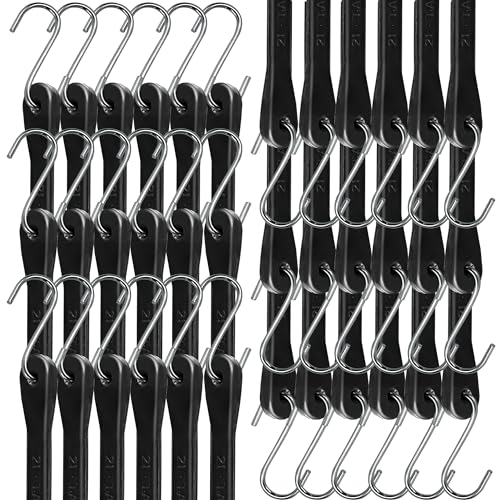


Employing Clips and Fasteners
Using clips specifically designed for outdoor usage can provide additional security. These can be attached to your outdoor settings or even the ground, further preventing any shifting or movement of the material. Regular checks for wear and tear can ensure that these clips remain effective over time.
Choosing the Right Tie-Down Material
For securing your outdoor item protection, I recommend opting for high-quality materials that withstand various weather conditions. Polyester straps are robust and resistant to UV rays, making them ideal for long-term use. They provide excellent durability and won’t break easily under stress.
If you prefer a more flexible solution, consider bungee cords. Their elasticity ensures a snug fit, but I advise checking the strength rating to avoid unexpected failures. For extra security, using a combination of bungee cords with another material, such as a strap, can enhance stability.
Rope also serves well. A nylon or polypropylene rope holds strong in harsh environments. I find that using a thicker diameter provides better grip and stronger knots.
For an all-in-one option, look for heavy-duty tarpaulin clips that can attach to various surfaces. Ensure the clips are rust-resistant for longevity.
Before making a choice, evaluate the specific needs of your setup. Considering wind patterns and the weight of the cover will guide you in selecting the ideal material for a reliable solution.
Identifying Weather Conditions for Secure Tying
In my experience, monitoring forecasted weather conditions plays a pivotal role in ensuring that coverings remain secure. High winds exceeding 20 mph typically require additional measures, such as extra straps or weights. Rain may cause pooling, so I always check for adequate slope to prevent water accumulation. Cold snaps can lead to frost on surfaces, making materials more brittle; I prefer to inspect before any icy conditions to avoid material damage. Additionally, prolonged exposure to sun rays can degrade fabrics over time, motivating me to seek UV-resistant options.
Wind Awareness
When I anticipate gusty weather, I review local wind advisories. I often add cross-straps or use heavier weights to anchor items securely. I also adjust my approach based on wind direction, ensuring the most exposed sides receive added protection.
Precipitation Precautions
Forecasts predicting rain prompt me to inspect drainage and adjust any canopies accordingly. I keep an eye on humidity levels as well; soggy conditions can promote mold. Therefore, I ensure that ventilation is adequate, allowing moisture to escape and reducing the risk of damage.
Measuring Your Outdoor Seating for Proper Coverage
Accurate dimensions are key for selecting the right protective shield. Start by measuring the length, width, and height of each piece in your set. Use a flexible tape measure for curved or irregular shapes.
Step-by-Step Measurement Guide
1. Length: Measure from one end to the other to capture the complete span.
2. Width: For tables, measure across the center. For chairs, capture the widest point.
3. Height: From the ground to the topmost point, particularly for high-backed chairs or tables with extensions.
Consider Additional Elements
Account for cushions or additional accessories that may alter the overall size. Adding a few extra inches ensures overlap, protecting against elements slipping underneath. After taking measurements, double-check to avoid any discrepancies before purchasing a protective layer.
Using these detailed dimensions, I can confidently find a suitable barrier that fits snugly, providing the longevity and safety my outdoor seating needs.
Steps to Properly Position the Cover
Ensure the protection layer aligns with the contours of the seating arrangements for a snug fit. Begin by securing one edge against the specified side, making sure it completely envelopes the items without gaps. This minimizes the chance for wind to infiltrate and displace the material.
Positioning Techniques
Adjust the fabric so it drapes evenly across the top surfaces, allowing any excess to fall to the ground. This helps mitigate water accumulation, which can lead to mold or fading. If straps or fasteners are available, use them at strategic points around the perimeter for added stability.
Final Checks
Once the installation is complete, conduct a thorough inspection to confirm that the entire area is adequately covered. Look for areas where the fabric may shift or pull away and make necessary adjustments. A well-placed layer prolongs the life of outdoor items significantly.
Techniques for Knots That Prevent Slipping
To ensure a secure setup, I prefer using the double knot, also known as the granny knot. It involves tying two simple knots in succession; this method is straightforward yet highly effective in keeping everything in place.
Bowline Knot
The bowline knot is another favorite. This knot creates a fixed loop at the end of the rope, allowing for easy attachment while preventing loosening. I find it particularly handy for securing tarps or similar materials during windy conditions.
Trucker’s Hitch
When maximum tension is required, I turn to the trucker’s hitch. This method uses a combined loop to create a pulley-like effect, which allows for a tighter hold. It’s fantastic for heavy-duty applications, particularly during stormy weather.
Consistency in knot selection enhances reliability. Regular practice with these techniques will improve your confidence and ensure that your materials stay securely in place, no matter the conditions.
Using Weights and Anchors for Extra Security
I recommend incorporating weights and anchors to prevent displacement during adverse conditions. This method significantly enhances the stability of protective coverings.
Weight Options
- Sandbags: Fill durable bags with sand and place them strategically around the perimeter.
- Water Weights: Utilize water-filled anchors that can be easily emptied when not in use.
- Heavy Stones: Position stones or bricks to add natural weight, ensuring they don’t shift easily.
Anchoring Techniques
- Ground Stakes: Use metal or plastic stakes to secure the edges to the ground, providing robust support.
- Rope Anchors: Attach thick ropes to immovable objects like fences or walls for added tension and security.
- Velcro Straps: Employ Velcro straps to fasten to the furniture itself, enhancing the hold against strong winds.
Combining these options allows for a customized approach based on environmental conditions. Regularly check and adjust your setup for optimal performance.
Regular Maintenance: Checking Ties and Covers
I recommend inspecting the securing mechanisms and protective sheaths on a regular basis, ideally at the beginning of each season and after extreme weather events. This ensures their functionality and integrity.
Inspection Checklist
- Examine all securing straps for wear and tear; replace any that are frayed or damaged.
- Check to ensure that buckles and hooks are intact and functioning properly.
- Inspect the fabric for signs of fading, tearing, or other damage due to UV exposure or moisture.
Adjustment and Care
- Loosen or tighten ties as required to maintain proper fit during varying weather conditions.
- Clean the material regularly to remove dirt and debris, which can compromise its protective qualities.
- Store the protective cover in a dry place when not in use to prevent mold and mildew growth.
Establish a routine to ensure everything remains secure and functional. Regularly maintaining these elements saves time and expense in the long run.
Adjusting Ties for Seasonal Changes
As seasons transition, it’s crucial to modify securing mechanisms to accommodate fluctuating weather patterns. During heavy snowfall or intense rain, I increase the tension on straps to prevent sagging and water accumulation. Conversely, during milder months, I loosen the bindings slightly to avoid wear and tear on the materials.
Windy conditions require additional attention. Using adjustable clips or elastic cords helps maintain a snug fit, allowing for flexibility without compromising security. In warmer climates, I opt for breathable covers to reduce moisture buildup and mold growth.
I also recommend checking the condition of fastening elements regularly. Seasonal wear can weaken knots or degrade fabric, making replacements necessary before severe weather sets in. Keeping an eye on these aspects ensures that protective layers perform effectively throughout the year.
Remember to anticipate changes in local climate patterns. If heavy storms are forecasted, I take extra steps to safeguard items, such as using weights or anchors for additional stability. This proactive approach minimizes potential damage and prolongs the lifespan of outdoor accessories.
Troubleshooting Common Issues with Covers
When confronting difficulties with protective sheets, first examine for any damage or wear, particularly around seams and edges. Small tears can compromise effectiveness. Sewing kits designed for fabric repairs are useful for quick fixes.
Slippage Problems
If the tarp shifts during windy conditions, check the attachment points. Loose fasteners may require adjustment or replacement. Using multiple securing methods can enhance stability. I often combine clips with weights for added grip.
Moisture Accumulation
Standing water can accumulate on the surface, leading to mold or rust underneath. Creating sloped support beneath the material can facilitate drainage. Additionally, breathable options can minimize moisture retention, ensuring better air circulation.
| Issue | Solution |
|---|---|
| Tears in material | Use a sewing kit for minor repairs. |
| Cover shifts or slips | Adjust and replace fasteners; combine securing methods. |
| Water pooling on surface | Create sloped support; use breathable fabrics. |
| Fading from sunlight | Store indoors or use UV-resistant materials. |
Regular checks address wear quickly, prolonging the lifespan of the protective sheets. Noting these issues ensures that your outdoor items stay safe and well-maintained.
FAQ:
What materials do I need to tie down my garden furniture cover securely?
To secure your garden furniture cover effectively, you will need a few essential materials. Firstly, choose a high-quality furniture cover that fits your furniture size correctly. Then, gather some durable bungee cords or straps, which are helpful for extra fastening. You might also want to use stakes or weights to anchor the cover, especially if your area experiences strong winds. Finally, a pair of scissors may be handy if you need to trim any excess or secure hooks.
How do I prevent my garden furniture cover from blowing away?
To prevent your garden furniture cover from blowing away, ensure that it fits snugly around your furniture. You can use straps or bungee cords to tie it down. Secure the corners by using weights or stakes to hold down the fabric against any strong winds. If possible, consider placing the furniture in a sheltered area, which can provide some protection from the elements. Regularly check the cover and tighten the straps as needed to maintain its security.
Can I use anything other than straps to secure my garden furniture cover?
Yes, besides straps, there are several alternatives you can use to secure your garden furniture cover. Velcro strips can be attached to the furniture and the cover to keep them in place. Heavy objects like bricks or stones can also be placed on the edges of the cover to weigh it down. In some cases, using sandbags around the base is effective. Just ensure that whatever method you choose, it does not damage the furniture or the cover itself.
How often should I check the security of my garden furniture cover?
It’s a good idea to check the security of your garden furniture cover regularly, especially after severe weather events like heavy rain or wind. A quick inspection every few weeks should suffice during calmer seasons, but you might want to check more frequently during stormy weather. Ensure that the cover is still tightly fitted and that the securing mechanisms, such as straps or weights, are functioning properly.
What should I do if my garden furniture cover gets damaged while tied down?
If your garden furniture cover gets damaged while tied down, first assess the extent of the damage. If it’s a small tear, you can use outdoor fabric adhesive or a patch kit designed for covers. If the damage is severe or affects the structural integrity of the cover, replacing it might be necessary. Always check the fastening methods to ensure they are not too tight, which can lead to wear and tear. Proper care and maintenance can help prolong the life of the cover.


