
 Caleb Turner

If you want to distinguish natural materials from synthetic alternatives, consider testing for grain patterns. Real timber often showcases unique knots and variations, while man-made surfaces usually exhibit uniformity. Observe closely; this can reveal a lot about the material quality.
Next, analyze the texture. Authentic wooden pieces normally feel warmer and have a tactile surface that can differ across sections. In contrast, laminate often feels smooth and cold with a consistent texture throughout. This can be a strong indicator of which type you are dealing with.
Another practical approach involves checking for weight. Solid wood tends to be denser, resulting in heavier pieces, while laminate constructions are often lighter due to their core materials. Lifting can provide insight into the manufacturing process behind the item.

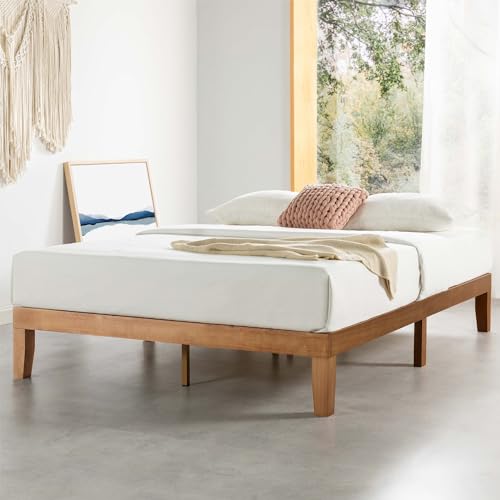
Lastly, examine any visible edges or sections. Genuine wood edges will display natural imperfections, whereas laminate often has a clean, manufactured finish. These small details can significantly aid in correctly identifying the type of furniture you are assessing.
Identifying Authentic Timber vs. Composite Surfaces
A key method involves examining the surface texture. Genuine timber often displays natural grains and imperfections, while the artificial counterpart typically has a uniform finish, lacking unique patterns.
Next, I recommend checking the weight. Solid wood pieces tend to be heavier due to their dense composition, whereas laminates are lighter and often feel hollow.
Inspecting edges can reveal valuable information. In authentic wood, the edges will be smooth yet may feature slight variation; laminate edges appear sharp and consistent, often with a thin banding that suggests a layered construction.
Smell is another indicator. Natural materials have a distinct scent, while synthetic surfaces usually carry chemical or plastic odors.
Lastly, consider the price point. Quality timber items generally come with a higher price tag due to their craftsmanship, whereas mass-produced alternatives often cost less. This could signal a difference in durability and longevity.
Identifying Material by Surface Texture
Examine the surface closely. Natural timber features a unique grain pattern, providing a tactile experience that can feel warm and organic. Each piece is distinct due to variations in knots and color shades, enhancing its authenticity.
Conversely, synthetic overlays present a uniform appearance. Surfaces may feel smooth or slightly glossy, lacking the depth found in real wood. Check for imperfections; laminates are manufactured, often exhibiting repeated patterns or designs that can indicate their artificial nature.
Run your fingers over the textures. Genuine products may reveal variations in texture, like slight ridges or a matte finish. On the contrary, laminate often feels slick and consistent throughout. If you encounter a perfectly uniform finish, it likely leans towards a synthetic composition.
Pay attention to edges and seams. Authentic wood craftsmanship typically allows imperfections, while laminates are smoother and more precise, often visible at the borders where the material is adhered to the structure.
Utilize a damp cloth to test responsiveness. Natural materials tend to absorb moisture slightly, while synthetic surfaces repel water, creating a beading effect. This simple test can quickly help in determining the authentic nature of the surface.
Lastly, consider the sound. Tapping on wood produces a solid, rich tone, whereas laminate often results in a hollow or flat sound. This auditory cue can further assist in identifying the material composition.
Examining the Edges and Corners
Assess edges and corners meticulously; this reveals key clues regarding composition. Natural timber often features unique patterns and variations while artificial alternatives tend to have uniformity.
Characteristics of Edges
- Real wood displays a subtle curve or irregularity, including occasional knots. Look for visible grain patterns, which may be softer to the touch.
- Engineered alternatives have sharp, even edges with consistent finishes. Inspect for a plastic-like coating that feels smooth or slick.
Inspecting Corners
- Inspect joints closely. Authentic timber often showcases intricate joinery or dovetailing, reflecting craftsmanship.
- Artificial surfaces typically reveal simpler assemblies with glued or clipped edges, sometimes bearing a visible seam where layers meet.
Using a flashlight can highlight imperfections in the surface, aiding discovery of subtle details. Take your time; a thorough examination yields clearer insights into the material type.
Weight Comparison of Natural Timber vs. Engineered Surfaces
To distinguish natural timber from engineered surfaces, I check the weight. Generally, solid wood is significantly heavier due to its density. For example, oak and maple have greater mass compared to particleboard or high-density fiberboard (HDF), commonly used in laminate products.
I often lift items; if it feels unexpectedly light, it likely indicates a laminate construction. For instance, a standard table made of solid oak can weigh anywhere from 40 to 100 pounds, while a similar-sized laminate table will usually weigh 20 to 50 pounds.
By holding various pieces, I can quickly note these weight variances. This method provides a clear and straightforward means of assessing materials based solely on heft, helping clarify the choice between genuine and manufactured products.
Assessing the Sound When Tapped
To distinguish between solid timber and engineered surfaces, tap the surface lightly with your fingers. A resonant, higher-pitched sound typically indicates genuine wood, while a duller thud suggests a synthetic alternative. This tonal quality stems from density differences; natural materials often produce clearer sounds due to their unique cellular structure.
Technique for Tapping
Use your knuckles for a more pronounced result. Strike multiple areas across the piece to gain a broader understanding of the acoustics. Listen for consistency in sound; variations may suggest laminated layers or other composite materials.
Comparative Analysis
For a more conclusive assessment, compare with known wooden items. If you have both types side by side, the contrast in acoustics will be apparent. Genuine lumber gives off a sharper, more vibrant noise, while man-made products will lack that clarity, often resulting in a muted response.
Understanding the Grain Patterns and Finishes
To differentiate materials, focus closely on grain patterns. Natural timber displays unique, often irregular designs due to its organic growth. Look for variations in color, knots, and textures that tell a story of its origin. On the other hand, synthetic surfaces typically present uniform, repetitive patterns that lack the individuality found in genuine wood.
Analyzing Surface Finishes
Inspect the finishing layer. Authentic hardwood often has a rich, deep finish that accentuates the grain and feels warm to the touch. Finishes may include varnishes, oils, or lacquers that enhance durability while maintaining a natural aesthetic. Conversely, engineered products frequently utilize a veneer that can appear glossy and smooth but may lack depth when compared to natural textures.
Practical Tips for Visual Examination
Hold a magnifying glass to examine surface details. Real lumber showcases changes under light, revealing intricate patterns, while man-made alternatives present a more static appearance. Different lighting conditions can also affect how grain and finish present themselves, so observe under both natural and artificial sources to get a complete picture.
Overall, the careful observation of grain, texture, and finish can significantly aid in material identification. Engage all your senses for a thorough assessment.
Looking for Manufacturer Labels and Tags
Check for manufacturer labels or tags, which can provide definitive information about the origin of the item. These identifiers are typically found on the underside or back of a piece. Look for any tags attached to the furniture or stamps imprinted directly onto the surface.
Tags often include details such as brand name, material composition, and care instructions. Reputable manufacturers tend to use high-quality materials, while generic brands may not specify their materials as clearly.
Common Locations for Tags
Identifying label locations can speed up your assessment. Here are the most common spots:
| Location | What to Look For |
|---|---|
| Underneath Tables | Manufacturer’s name and material description |
| Back of Chairs | Inventory stickers with details |
| Inside Drawers | Production date along with brand name |
Researching Brands
If you find a brand name, a quick online search can provide insights into whether the company specializes in natural or synthetic materials. Many brands also have official websites where they list the materials used in their products.
Testing Durability with Scratch Resistance
To evaluate surface endurance, a practical scratch test is invaluable. Take an object with a sharp edge, such as a coin or a key, and gently apply it to the surface in question.
If visible marks appear after light pressure, it’s likely you are dealing with synthetic coverings. Authentic timber typically shows minimal signs of scratching unless significant force is used.
When performing the test, consider these points:
- Surface Reaction: Observe the initial response. Authentic material will exhibit less surface damage compared to synthetic alternatives.
- Depth of Scratches: Check the depth of any marks. Deep scratches often signal a laminate or veneer, while scratches on natural materials tend to be shallow.
- Color Change: If the scratch exposes a different color or layer beneath, it indicates a laminate rather than solid wood.
Reapplying the same test in less visible areas can provide additional insights without compromising the aesthetic of the piece. This approach ensures thorough evaluation while preserving the integrity of your furnishings.
Evaluating Cost Differences in Furniture
Analyzing price points reveals significant contrasts. Solid timber options are generally more expensive due to the cost of raw materials and labor-intensive manufacturing processes. Many high-quality pieces feature unique grains and longer lifespans, justifying their higher price tag. In contrast, synthetic surfaces are often budget-friendly, appealing to consumers seeking affordability. This cost efficiency comes at a price–lower durability and durability can lead to replacements sooner than anticipated.
Long-Term Investment vs. Short-Term Savings
Considering longevity is crucial. Investing in solid pieces may seem daunting due to initial costs, but their endurance often translates to less frequent replacements. For those prioritizing aesthetics and style on a budget, synthetic surfaces offer short-term savings; however, extended use may reveal their limitations, resulting in additional expenses over time. Evaluating these factors can aid in making informed decisions.
Regional Variations Impacting Cost
Regional market conditions also affect pricing. In areas where quality timber is abundant, prices might be competitive, while synthetic alternatives are more prevalent in other regions, impacting overall costs. Researching local options enables a better understanding of what fits within budget constraints without compromising quality.


