
 Caleb Turner

To assess whether a surface is synthetic, first inspect its edge. Authentic wood usually features a natural grain pattern that extends through the edges, while a composite may exhibit a uniform or printed texture along the sides.
Next, examine the weight. Real timber tends to be denser, while manufactured surfaces are often lighter due to the materials used, indicating a different construction method.
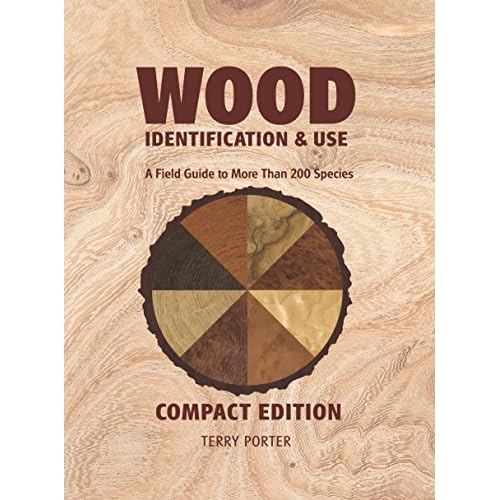


Another reliable method involves checking for temperature variation. Wood typically feels warmer than its synthetic alternatives, especially in cooler environments. Moreover, tap the surface lightly; it should produce a hollow sound if it’s engineered material. A solid thud points to genuine wood.
Lastly, consider the edges again. Laminated surfaces often have a sharp, clean finish, while natural wood may show signs of wear or imperfections owing to its organic nature. By paying attention to these details, the identification process becomes straightforward and clear.
Examine the Surface Finish
Inspecting the surface finish is an effective approach to determine the type of material used. Laminate surfaces typically have a smooth, even texture, while real wood may display more variation and imperfections.
Touch and Feel
- Run your hand over the surface. Laminates feel cool and sleek, while solid wood has a warmer, more natural texture.
- Check for glossiness. Laminates often have a shiny or gloss finish, which can be uniform across the surface.
Visual Inspection
- Look closely for seams. Laminated pieces are often designed with visible seams that can be noticed around edges and in patterns.
- Seek out the patterns; if the grain appears to be printed rather than real, it is likely synthetic.
Performing this examination will provide clear insights into the material’s authenticity and composition.
Check for Veins and Patterns
Inspect the surface for distinct veins or patterns that mimic natural wood grains. Authentic natural materials often exhibit unique, irregular designs due to their formation process. In contrast, synthetic surfaces usually display repetitive, uniform patterns, lacking the randomness of genuine wood.
Run your fingers or a soft cloth over the surface to feel for texture variations. Real wood will have subtle differences, whereas a man-made sheet can feel smoother and less tactile. A visible seam may also indicate a laminate construction, as these products are often made by layering a paper design over a core material.
Look for abrupt transitions in grain direction or color that don’t seem cohesive. High-quality pieces typically show blended patterns, while lower-end variations may not. Utilize a flashlight to cast shadows across the piece; authentic materials often reveal depth that is absent in flat surfaces.
Assess Weight and Density
To determine whether a piece is made of laminate, I first evaluate its weight. Typically, laminate items are lighter than solid wood or high-density materials. If I lift a piece and it feels unexpectedly light, it may point toward laminate. Conversely, heavier weights could indicate solid materials.
Next, assessing density proves effective. I tap on the surface; a dull sound often signifies laminate, while a more resonant sound may hint at a denser material underneath. Using a simple scale can provide additional clarity; if the item is significantly less heavy than I anticipated based on its dimensions, laminate might be the culprit.
| Feature | Laminate | Solid Wood |
|---|---|---|
| Weight | Light | Heavy |
| Sound when tapped | Dull | Resonant |
| Density | Lower | Higher |
Conducting these simple checks enhances my ability to identify materials accurately, leading to better-informed decisions regarding care and maintenance.
Look for Edges and Corners
Inspecting the edges and corners can reveal a lot about the material used in construction. Laminate surfaces generally display specific characteristics that differentiate them from solid wood or other materials.
- Straight Edges: Laminate surfaces often feature perfectly straight and even edges. If you notice any irregularities or imperfections, it may indicate the use of real wood.
- Sealed Corners: Check if the corners are sealed or have a plastic trim. Laminate is frequently designed with rounded corners and edges to prevent chipping.
- No Grain Patterns: Examine the absence of natural grain. While some wood products showcase unique patterning due to their fibers, laminate offers a uniform appearance across edges.
- Joint Areas: If you see seams where multiple pieces meet, observe the continuity. In laminate, these joints are often flush and tightly aligned, contrasting with wooden counterparts that may show gaps.
- Color Consistency: Look for uniform color around the edges. Laminate typically maintains the same hue throughout, distinguishing it from natural materials that might vary in shade.
By closely examining these aspects, identifying the material becomes straightforward, guiding you to make informed decisions about your items.
Perform the Moisture Test
Applying a drop of water onto the surface is an efficient method to verify the nature of the material. If the water beads up and remains on the surface, it indicates a non-porous finish, typical of synthetic compositions. Conversely, if the liquid seeps into the surface, this suggests a natural material or a porous laminate layer.
Steps for Accurate Testing
To conduct the moisture test, select a discreet area, preferably one that is not visible during regular use. Place a few drops of water on this section. Monitor the drops for several minutes. Rapid absorption signifies a different composition, while lingering drops highlight a synthetic surface.
Additional Tips
For increased reliability, combine this test with other checks, such as examining edges and surface patterns. Understanding the interplay of results will provide a clearer picture of the material type. This technique, while straightforward, has proven to be insightful for discerning furniture materials.
Inspect for Signs of Damage
Look for visible scratches, dents, or chips on the surface. These imperfections can indicate a synthetic layer that has been compromised. If the color beneath appears lighter or different, it’s a sign that the laminate is damaged.
Check for peeling or lifting at the edges. A laminate covering that is breaking away from the substrate points toward deterioration. If you experience any roughness when running your finger along the edges, it may suggest wear over time.
Notice any bubbling or warping in the material. This may occur due to moisture exposure, revealing vulnerabilities in the protective coating. Such signs can imply that the underlying structure may be at risk of damage as well.
Finally, inspect the joints and connections. Any visible gaps or misalignments could suggest instability, which may affect the integrity and longevity of the piece. Keep an eye out for these critical indicators to assess the condition effectively.
Consider the Sound When Tapping
I find that tapping on the surface can reveal valuable information. A solid knock usually produces a deep, resonant sound, indicating a robust material. If the sound is hollow or overly sharp, this could mean that the piece is crafted from a synthetic surface like melamine or particle board with a laminated finish.
Testing in various spots across the surface helps determine consistency in sound. The absence of this characteristic solid echo can often signify a more lightweight construction. Keep in mind that identifying a fake wood surface might require comparing different areas of the item; discrepancies in sound can be a strong indicator that the piece is not made from solid wood.
Additionally, I recommend listening closely for the quality of the sound. A dull thud might indicate a thinner layer of veneer or a lower-quality material, while a richer tone suggests a thicker, more premium surface. My experience shows that this auditory cue, when combined with other examination techniques, can provide a clearer picture of what I’m dealing with.
Research Brand Information
Begin by identifying the manufacturer of the piece. Checking brand details allows me to find specific product lines known for particular materials. Many brands provide specifications on their websites or in product manuals. This information can lead to a clearer understanding of whether a surface layer is composite or a different substance.
Exploring Manufacturer’s Website
Visiting the official website of the brand can reveal crucial insights about the materials used in their products. Often, they showcase care instructions, construction details, and product descriptions that highlight whether synthetic surfaces are employed.
Consulting User Reviews
User reviews can offer real-world experiences regarding durability and material quality. By reading comments on retail sites, I may discover whether previous owners encountered issues related to wear or repairs. This feedback can be a valuable resource for gauging authenticity.
Identify Assembly Techniques Used
Evaluating assembly methods provides insights into the material composition. Look for dowel joints, screws, or staples on the backside of the item. If visible, dowels often indicate a higher quality build, suggesting the piece might consist of natural wood or higher-grade composites rather than a simple synthetic surface.
Check for Joinery Styles
Frame construction techniques, such as mortise and tenon or box joints, are typically used in solid wood designs. Conversely, pieces held together with cheap fasteners or metal brackets might signal inferior materials. The presence of visible joint lines can also point towards a laminate product, easily identifiable due to its layered façade.
Examine Reinforcement Methods
<p Reinforced corners or brackets suggest durability and often point to items made from solid wood or quality materials. On the other hand, visible edge banding or thin materials may suggest a lower-quality assembly process, typical of synthetic surfaces. Evaluating these aspects helps in discerning the overall integrity of the construction.


