
 Caleb Turner
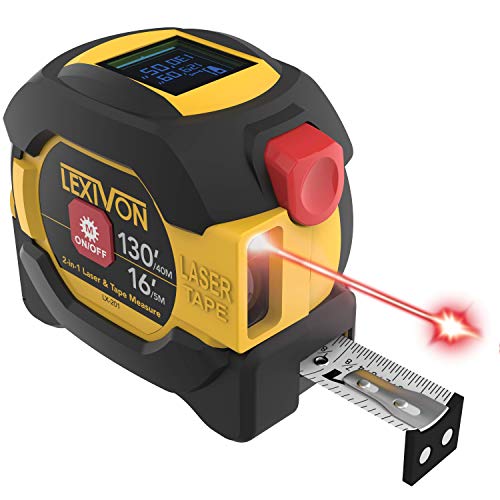
Measure the vertical height and width of your staircase. This data is crucial for evaluating whether your possessions can pass through smoothly. Consider the angle and length of the staircase as well; a straight run is generally easier than one with landings or turns.
Next, take the dimensions of your items into account. Height, width, and depth all play a role in determining if they can navigate the staircase without obstruction. Focus on the largest dimensions, as they will dictate the feasibility of movement.
Preparing your pieces for transit is also key. Disassemble what you can; for example, remove legs from tables or detach cushions from sofas. This not only reduces weight but can also provide additional space to maneuver through tight spots.
Lastly, visualize the route. Mentally walk through the process, considering any corners or obstructions that may hinder progress. If possible, conduct a trial run with smaller items to refine your technique before attempting to move larger pieces.


Measure the Staircase Width
I take a measuring tape and begin by positioning one end against the wall at the bottom of the incline. I stretch the tape to the opposite wall, noting the measurement in inches or centimeters.
If the width falls below 36 inches (about 91 centimeters), I recognize potential challenges. In narrow spaces, the ability to maneuver bulky pieces is significantly restricted. A more spacious width, ideally above 40 inches (approximately 102 centimeters), grants me greater flexibility.
It’s useful to measure at multiple points along the ascent, as widths can vary. I ensure to account for any bannisters or protruding walls that may impede movement. If the measurements indicate a snug fit, I consider the item’s dimensions as well.
In cases where the corridor has an angled section, I determine the width at these critical junctures. I look for clear pathways, as tight corners could complicate the process, requiring alternative tactics for transporting larger pieces.
Verification of these dimensions helps in making informed decisions, ensuring that the pieces I am dealing with can navigate through the available route without hassle.
Assess Stair Turning Radius
To ensure a seamless transition of large items, I recommend measuring the turning radius along the staircase. This involves checking how tight the corners are and whether essential angles can accommodate the dimensions of the object.
Steps to Measure the Turning Radius
1. Position a measuring tape at the top landing where the staircase begins.
2. Extend it down to the point just past the first turn. Record this measurement.
3. Move to the middle landing, if applicable, and repeat the process.
4. Finally, measure down to the bottom landing, ensuring you account for the angles during turns.
Turning Radius Table
| Measurement Location | Distance (inches) |
|---|---|
| Top Landing to First Turn | [Your Measurement] |
| First Turn to Middle Landing | [Your Measurement] |
| Middle Landing to Bottom Landing | [Your Measurement] |
Taking precise measurements allows me to determine if the specific piece can navigate the turns effectively. If the radius is tight, I might need to consider disassembling the item or using alternate routes for transport.
Check Height Clearance Above Stairs
I ensure there is sufficient vertical space above the staircase. Measure the distance from the highest point of the stairs to the ceiling or any overhead fixture. To avoid complications, consider a margin of at least 6 inches above the highest point of the piece being moved.
Use a Straight Edge
A straight edge or level can assist in visualizing potential obstructions. Hold it horizontally at the height of your highest measurements, moving it from the bottom to the top of the flight. This allows me to spot any areas that may limit the ascent of my item.
Consider Any Projections
I pay close attention to light fixtures, handrails, or other features that may impede movement. Identifying these elements early helps me adjust my strategy or consider alternate pathways for the item.
Determine Furniture Dimensions
Before moving any piece, measure the length, width, and height. Gather tools like a tape measure, and note all dimensions in inches or centimeters. For bulkier items, consider their diagonal measurements as well; this can highlight potential issues with narrow areas.
Account for Packaging
Include the dimensions of packaging if the item has yet to be unpacked. Box shapes can add significant bulk during transit, and it’s wise to factor in these measurements to prevent surprises during handling.
Remove Detachable Parts
If the item allows, disassemble components such as legs or cushions. This can greatly reduce overall volume, improving maneuverability through tight spots. Document how to reassemble to avoid confusion after the move.
Evaluate Disassembly Options
Assess whether it’s feasible to take apart the piece in question. Many larger items have removable parts such as legs, tops, or shelves, simplifying the transition through narrow areas.
Identify Disassembly Points
Check the manufacturer’s guidelines or product manuals for disassembly instructions. Look for:
- Bolts and screws that can be removed with common tools.
- Sections that slide off or detach easily.
- Any dowels or fasteners holding components together that can be safely removed.
Consider Professional Help
If disassembly seems complex or risky, hiring a specialist can be beneficial. Experts can efficiently disassemble and reassemble pieces while minimizing damage. Coordinate the timeline to align with your move.
Use Tools for Visualization
I recommend leveraging visualization tools to assess whether a piece of décor can navigate the vertical space in your home. 3D modeling software or apps can project the dimensions of items in relation to the staircase. These digital environments allow for precise scaling and manipulation, giving a realistic sense of how an object will interact with the structure.
Virtual Room Planners
Utilize virtual room planners that enable you to create a 3D representation of your area. By inputting exact measurements of the staircase and the item, I can manipulate the furniture’s position and orientation to see if it can make the turn and ascend without obstruction.
Augmented Reality Applications
Try augmented reality (AR) applications that enhance physical space visuals directly through a smartphone camera. These tools allow me to superimpose a digital version of the item in the real environment, helping me visualize its fit and orientation in conjunction with the staircase. This hands-on approach can reveal potential challenges not immediately apparent through traditional measuring methods.


