
 Caleb Turner

To distinguish among various wooden items, first examine the grain pattern. Oak features prominent rings and a coarse texture, while maple showcases a smooth, nearly uniform appearance with subtle flecks. Pine, on the other hand, is characterized by its straight grain and occasional knots.
Next, check the color. Mahogany often presents a rich, reddish hue, making it easily recognizable, while cherry tends to darken with age, transitioning from a lighter tone to a deeper shade. In contrast, birch has a pale yellowish tint and a fine grain structure.
Finally, pay attention to the weight and density. Hardwoods like walnut feel heavier and denser compared to softer options like cedar, which is lighter and more porous. This tactile difference can greatly assist in identifying the material.
Identifying Various Wood Creations
Inspect the grain pattern smoothly. Hardwood options like oak or cherry feature pronounced grain lines and knots, while softer options like pine show a more uniform, straight grain. A close examination will reveal these distinctions.


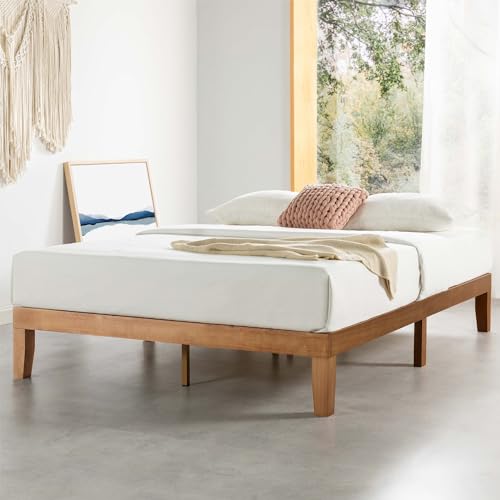
Texture Matters
Run your fingers over the surface. Mahogany tends to have a smooth, polished feel, while a rustic piece might be more textured due to intentional roughness. The tactile experience can suggest the species and craftsmanship involved.
Weight Confirmation
Lift the item if possible. Denser varieties such as walnut or maple will feel significantly heavier than lighter options like balsa. This weight difference can hint at the quality and durability of the piece.
Lastly, check for color variations. Natural shades vary from deep, rich browns in walnut to light yellows in birch. Over time, exposure to sunlight can alter these hues, but usually, the original color offers a compelling clue to its origins.
Identifying Hardwoods vs. Softwoods
To distinguish between hardwoods and softwoods, focus on the grain pattern, hardness, and intended use. Hardwoods typically showcase a more complex grain with varied textures, while softwoods have a simpler, straighter grain. When testing, try the dent test: press a fingernail or a small tool into the surface. If it leaves a mark, you are likely dealing with softwood; if not, it’s probably hardwood.
Grain Patterns
Examine the surface closely:
- Hardwoods like oak and cherry often exhibit intricate patterns, with pronounced rings.
- Softwoods such as pine and cedar display more uniform and simpler grain lines.
Density and Weight
Feel the weight of the item. Hardwoods are heavier due to their density:
- Maple and walnut tend to have significant weight, indicating a hardwood origin.
- Spruce and fir are lighter, which are characteristic of softwood.
Consider the use as well. Hardwoods are generally preferred for furniture that experiences heavy wear, while softwoods are sufficient for temporary or less frequently used items.
Recognizing Grain Patterns in Wood
To distinguish among various timber, I focus on their unique grain patterns. Observing these characteristics reveals much about the species and can guide decisions when choosing items.
Common Grain Patterns
- Flat Grain: Found in boards that are cut from the side of the tree. It appears broad with straight lines. Common in oak and maple.
- Quarter Grain: This cut results in a straighter pattern, often showing flecks or rays, especially in oak.
- Rippled Grain: Exhibited by species such as mahogany, this pattern offers a unique visual texture that adds depth.
- Interlocked Grain: Seen in woods like teak, where the fibers twist and weave, creating visual interest and robustness.
Identifying Species Through Grain
Each variety of timber boasts distinct grain features that can often serve as clues to its identity. Here are some tips for identification:
- Examine the width and spacing of the grains; tighter grains usually suggest hardwood, while wider grains indicate softer varieties.
- Look for unique markings; for example, walnut has a rich, dark grain with characteristic swirls.
- Check for any color variations within the grain, as species like cherry will darken over time, displaying a rich patina.
By becoming familiar with these patterns, I can enhance my ability to recognize and appreciate the differences among various timbers readily.
Evaluating Wood Texture and Finish
Assessing the texture of timber is paramount in distinguishing its quality and characteristics. Run your fingers along the surface to feel for smoothness or roughness. A polished surface often indicates high-quality craftsmanship, while a coarse texture suggests less refinement or utilitarian design. Pay close attention to splinters or uneven areas; these can imply lower-grade materials or poor construction.
Analyzing Surface Finishes
Check the finish type to determine the longevity and maintenance needs of the item. Varnishes and lacquers offer a glossy look and water resistance, whereas oils and waxes provide a natural appearance but may require regular reapplication. Look for variations in sheen; consistent gloss signals uniform application, essential for durability. Inspect the finish for peeling or chipping, which may indicate neglect or inferior materials.
Inspecting Grain and Texture Interaction
Observe how the grain pattern interacts with the texture and finish. A well-defined grain can suggest a hardwood, enhancing the visual appeal when combined with a transparent stain or clear coat. On the contrary, a blurred grain under thick paint may mask defects, hinting at lower-quality selections. Each combination of grain, texture, and finish tells a story about the item’s origin and suitability for your space.
Understanding Wood Color Variations
Pay attention to the color hues when examining timber. Different species exhibit distinct shades, which helps in identification. For instance, cherry has rich reddish-brown tones, while maple ranges from creamy white to light brown. Oak, on the other hand, presents a yellowish or tawny appearance. Knowing these characteristics aids immensely in recognition.
Influences on Tone
Consider factors affecting coloration. Age, exposure to light, and finish contribute significantly to how a species appears. For instance, walnut darkens over time, leading to a deeper color. Similarly, certain finishes can enhance or alter the natural hues. Looking closely at the surface can give clues about its original shade.
Color Stripes and Patterns
Examine the presence of color variations within the grain. Certain varieties, like tiger maple, showcase striking stripes, while others, like birch, present a more uniform appearance, but with slight variations. Understanding these patterns allows for more precise identification and appreciation of the material’s beauty.
Assessing Weight and Density of Furnishings
To determine the kind of material used in your piece, I often examine its weight and density. Solid hardwoods, such as oak or maple, typically exhibit a heavier feel due to their compact structure, whereas softwoods like pine feel significantly lighter. When picking up an item, a noticeable heft usually indicates a durable, high-quality material.
Testing Density
I apply a simple technique: press my fingers against the surface. A denser timber will resist indentation more effectively compared to a lighter counterpart. This can be particularly useful for identifying robust materials like hickory versus softer ones like spruce.
Using a Scale
If available, weighing a piece can provide precise information. A single cubic foot of oak weighs about 45 pounds, while pine only weighs around 30 pounds. Knowing these figures allows for an accurate assessment if you have a scale handy. I often compare weights based on size to make informed comparisons between various materials.
Distinguishing between Solid Wood and Veneer
To identify solid wood versus veneer, examine edges and surfaces closely. Solid wood provides a continuous grain pattern, while veneer consists of thin slices glued onto a core material, often revealing a different grain when cut along the edge.
Inspect weight. Solid timber is typically heavier than veneer, due to its density. A quick lift can provide insights into the material’s makeup.
Check for imperfections. Authentic lumber displays natural knots and variations. Veneer, on the contrary, usually appears flawless, with a uniform surface.
Perform a moisture test. Solid species can absorb moisture and expand, while veneer remains stable under varying conditions. A simple water droplet test can show absorption rates, further confirming the material’s identity.
| Characteristics | Solid Wood | Veneer |
|---|---|---|
| Grain Pattern | Continuous and unique | Repetitive or different on edges |
| Weight | Generally heavier | Lighter due to wooden core |
| Imperfections | Natural imperfections present | Uniform and smooth |
| Moisture Resistance | Absorbs and expands | Remains stable |
Check the underside. If you spot layers or a different color, you’re likely looking at veneer. Solid wood has a consistent appearance all the way through.
Using Visual and Tactile Methods for Identification
Observing the finish is a straightforward way to differentiate materials. A glossy surface suggests a synthetic coating, while a matte finish often indicates natural oils or lacquers. Take note of the sheen level to aid in identification.
Visual Examination
Examine grain patterns closely. Specific characteristics, like the way the grain runs or its unique figures, can help pinpoint the species. Look for medullary rays, visible in oak, or distinctive knots in pine. Recognizing these patterns aids visual identification significantly.
Tactile Assessment
Touch offers immediate feedback on texture. Different species present varying sensations; for example, maple feels smooth and cool, whereas mahogany may offer warmth and a slight moisture retention. Pay attention to any irregularities in surface texture–they can hint at the wood’s treatment or finish.
Weight is another indicator. Lighter woods, like balsa, contrast sharply with heavy hardwoods, such as ebony. Lifting a piece can reveal much about its composition.
Combining these visual and tactile methods creates a more accurate profile, enabling me to make informed decisions regarding the material characteristics of each item.


