
 Caleb Turner
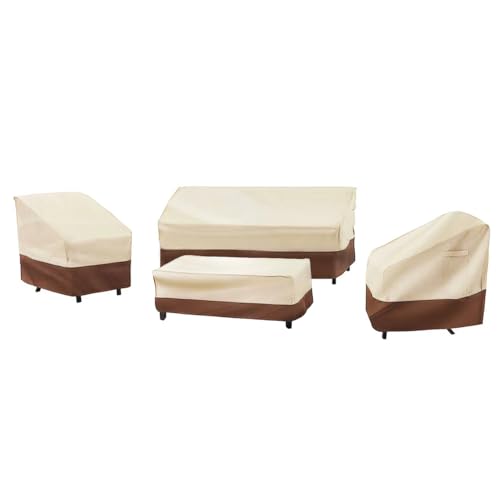
First, select materials that offer optimal protection. A heavy-duty polyethylene or canvas cover is ideal, as it withstands moisture and extreme temperatures effectively. Ensure the material is UV-resistant to prevent fading and degradation over time.
Next, take measurements of your pieces accurately. This helps you acquire covers that fit snugly, minimizing exposure to harsh elements. Loose fittings invite moisture build-up and allow for wind movement, which can wear down unsuspecting items.
When securing these protective layers, use bungee cords or straps. This not only guarantees they remain in place during storms but also reduces risks of damage from flapping covers. Always check for any gaps where snow or water could seep in.
If your items are stackable, consider grouping them together before covering. This not only saves space but also protects them more efficiently. Covering multiple pieces in one go creates a barrier, making it harder for ice or snow to settle on surfaces.


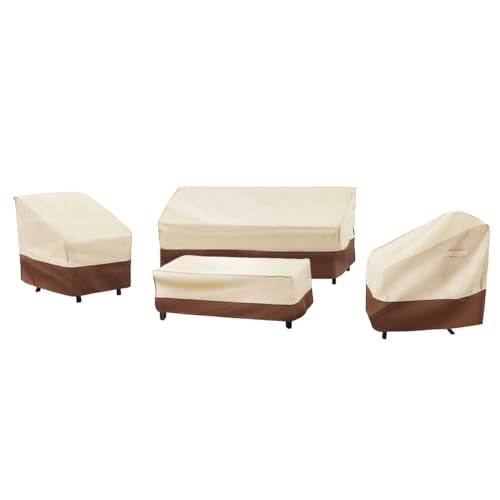
Finally, don’t overlook the importance of ventilation. Incorporating breathable options within the covers helps prevent mold and mildew build-up. Look for designs that allow airflow while still shielding your possessions from the elements.
Covering Outdoor Pieces for Cold Months
First, ensure all items are clean and dry before protection. This prevents mold growth and weather damage during storage.
Select a durable, waterproof material to shield against moisture. I prefer heavy-duty polyethylene because it withstands harsh conditions effectively.
Wrap each piece securely, ensuring there are no gaps where moisture can seep in. I use bungee cords or straps to fasten the covering tightly.
Elevate the items off the ground using wooden pallets or bricks to prevent direct contact with cold surfaces. This reduces the risk of frost damage.
For added protection, consider placing silica gel packets inside to absorb excess moisture. This helps maintain a dry environment.
Finally, regularly check the coverings throughout the season. Adjust as necessary to ensure continued protection from adverse weather. Store any cushions separately to prevent them from becoming waterlogged.
Choosing the Right Tarp Material for Outdoor Furniture
I recommend selecting polyethylene material for its waterproof and UV-resistant properties, which provide effective protection against moisture and sunlight damage. This material is lightweight, durable, and easy to handle, making it suitable for various types of patio items.
If sturdiness is a priority, canvas can be an excellent option. It offers breathability, preventing mold growth, while also being capable of withstanding harsh weather conditions. Keep in mind that canvas may require a bit more care, such as periodic waterproofing treatments, to maintain its effectiveness.
Another alternative is vinyl tarps, known for their high resistance to tears and punctures. They are particularly beneficial if you live in an area prone to heavy winds or snowfall, ensuring your belongings remain secure throughout adverse conditions. However, they are heavier and may be more challenging to handle than lighter materials.
Consider the weight of the cover as well. Lighter options are easier to put on and take off, while heavier ones offer enhanced durability and stability against high winds. Assessing the typical weather conditions in your region can also aid in making the best choice.
Evaluate the size and fit of any cover you select. A snug fit will prevent flapping and potential damage during storms, while oversized options may not stay put and can lead to wear over time. Measure carefully to ensure a proper fit for whichever item you are covering.
Ultimately, the right material will depend on your specific needs, local climate, and the type of items being protected. Balancing durability with ease of use will yield the best results for maintaining your possessions over the colder months.
Preparing Your Furniture for Tarpping
Cleaning surfaces thoroughly is my first step. I avoid dirty or damp items, as moisture can lead to mold during storage. I use a mild soapy solution to scrub everything, ensuring to remove any debris or residue. After rinsing, I allow each piece to dry completely.
I also inspect for damage or wear. Any loose screws, cracks, or signs of wear are fixed before covering them. Applying a protective sealant to wood structures helps prolong their lifespan and offers an extra layer of defense against harsh conditions.
Next, I consider organizing components. I stack chairs and tables in a way that maximizes space while ensuring stability. I try to elevate lighter items slightly off the ground using bricks or pallets, helping prevent direct contact with moisture from the soil.
If items are cushioned, I store pads and cushions in breathable storage bags. This keeps them dry and prevents mildew. I avoid plastic bags, as they trap moisture, creating a perfect environment for mold. I wrap delicate pieces with bubble wrap for added protection against potential impacts.
Finally, I confirm that everything is secure before placing the covering. Ensuring it fits snugly without being too tight prevents flapping in strong winds and helps keep moisture out. Using bungee cords or straps helps keep the cover in place.
Measuring and Sizing Your Cover Correctly
To ensure complete protection, I focus on precise measurements before purchasing any protective coverings. Start by measuring the height, width, and depth of each item you wish to cover. Adding extra inches compensates for wind and snow accumulation, which can cause sagging and compromise coverage.
Measurement Guide
Here’s a straightforward guide that I follow:
| Item Type | Suggested Extra Inches |
|---|---|
| Chairs | 6-12 |
| Tables | 12-18 |
| Sofas | 12-24 |
I also consider the shape of each piece. Irregularly shaped objects require additional fabric. It’s wise to take several measurements across different dimensions to find the most suitable size. This diligence minimizes the risk of buying a size that is too small or excessively large, thus ensuring a snug and safe fit.
Final Checks
Before finalizing my purchase, I double-check the dimensions against the specifications of the cover I intend to buy. This helps guarantee that every piece receives adequate coverage, shielding against harsh elements throughout the cold months.
Securing the Cover Against Wind
To prevent the cover from blowing away during strong gusts, I recommend using several secure methods to anchor it effectively.
Weights and Anchors
- Invest in heavy-duty weights. Concrete blocks or sandbags can be placed on the edges of the cover to hold it down.
- Use tent pegs if your setup allows it. Drive them through the cover’s grommets into the ground.
- Consider tying ropes or bungee cords to nearby structures or trees, ensuring tightness without damage.
Creating a Tight Fit
- Ensure the cover is fitted snugly over the items. Loose fitting creates opportunities for wind to get underneath and lift it.
- Check for any gaps. If necessary, use additional material to cover openings and eliminate weak spots.
- Periodically inspect the cover throughout the season, tightening it as needed to maintain its security.
Positioning Your Outdoor Furniture for Optimal Coverage
Identify a sheltered area to shield your pieces from harsh elements. Place them away from trees or structures that may shed snow or ice. An open, flat section offers better airflow, reducing moisture buildup.
Arrange larger items in a way that creates barriers for smaller pieces. Position chairs upside down to prevent water accumulation, while keeping tables elevated using bricks or wood blocks to allow drainage. Group items for collective protection, ensuring that they are tightly packed together.
Utilizing Supports for Stability
Incorporate supports under canopies if the weather forecast predicts heavy snowfall. Utilize PVC pipes or wooden beams as braces to prop up covers, preventing sagging and pooling. Secure items to these supports with bungee cords or rope for increased stability against wind gusts.
Choosing Angled Arrangements
Angle your covered pieces slightly to facilitate melting snow and water runoff. This common tactic minimizes the risk of damage from prolonged exposure to moisture, maintaining the integrity of your belongings. Ensuring that the arrangement directs precipitation away from the furniture can prolong their lifespan.
Using Weights to Keep the Tarp in Place
To ensure stability, I recommend using weights as a practical solution for securing the cover during harsh conditions. Here are some effective methods to apply:
- Sandbags: Fill durable bags with sand or gravel and place them at each corner of the covering. This method provides substantial weight and is easy to adjust when needed.
- Bricks or Stones: Utilize heavy bricks or natural stones around the base of the cover. This option is ideal as it is readily available and can resist strong winds.
- Weights or Anchors: Consider purchasing specialized weights or anchors designed for outdoor use, specifically made to combat wind forces.
- Water Containers: Use empty plastic containers filled with water as an economical option. They can be easily relocated and add considerable mass.
When positioning the weights, ensure they are evenly distributed to minimize movement. Additionally, adjusting the weight and placement based on weather forecasts can enhance protection and longevity of the coverage. Periodic inspections are advisable to confirm that weights remain in place, especially after severe storms or wind gusts.
Sealing Entrances to Prevent Moisture Accumulation
Sealing openings is crucial to prevent humidity build-up in storage spaces. I recommend using weatherstripping around doors and windows. This creates a tight barrier that keeps moisture at bay and enhances insulation.
Materials for Sealing
Select high-quality adhesive weatherstrips or foam tape. These materials effectively fill gaps and withstand temperature fluctuations. For larger gaps, consider using door sweeps or threshold seals. Ensure all entry points are addressed to minimize moisture intrusion.
Inspection and Maintenance
Regularly inspect seals for wear and tear. Replace any damaged components promptly. This simple maintenance task helps maintain a moisture-free environment, prolonging the life of items stored within.
Inspecting Your Furniture Under the Tarp
Regularly examine the items beneath the cover to detect any signs of damage or moisture buildup. I peer closely for leaks, mold, or pests that may have found their way inside. It’s vital to lift the edges of the cover cautiously, allowing for inspection without completely removing it.
If I observe any areas where water has pooled, I ensure to dry them out immediately to prevent deterioration. I also check for any sharp objects or debris that might have settled and could cause scratches or rips in the material.
Pay attention to the hardware on the pieces, like screws and joints; corrosion can happen if they aren’t appropriately protected. I apply a rust inhibitor as needed to maintain their condition.
In addition, I assess the integrity of the cover itself. I look for tears or weak spots that may need patching or replacing to ensure continued protection. Doing this regularly helps keep everything in top shape until it’s time to enjoy them again.
Tips for Maintaining Tarps Throughout the Winter
I recommend checking the cover regularly for any signs of wear or tear. Small rips can worsen, allowing moisture to penetrate. A quick patch with tape can extend its life and enhance protection against snow and ice.
Keep an eye on the surroundings. Accumulated snow should be removed promptly to prevent excessive weight. A soft-bristled broom works well to avoid damage while clearing off the surface.
Ensure all edges are secured properly. High winds can lift and shift the cover, creating gaps. Use bungee cords or straps for added stability and adjust them when necessary.
Consider waterproofing sprays for additional moisture resistance. Applying this treatment before covering can help shield surfaces from dampness, safeguarding equipment beneath.
Occasionally, remove the cover to monitor conditions beneath. This practice helps to prevent mold growth from trapped moisture. If anything appears damp, dry it thoroughly before re-covering.
Keep nearby vegetation trimmed back to reduce debris that could poke or tear the protective layer. Regular maintenance of the space around your coverings can lead to fewer issues.
Utilize weights inside the cover to help keep it grounded. Sandbags or other heavy objects can discourage movement during storms.
Stay aware of temperature fluctuations. If ice forms, gently break it up to avoid putting stress on the covering material. Preventing large ice buildups can save on replacement costs.


