Caleb Turner
Focus on natural light; it dramatically enhances the appearance of your items. Position your pieces near large windows during daylight hours. Avoid harsh shadows by taking images at times when the sun is soft, like early morning or late afternoon.
Choose a clean, neutral backdrop to allow the objects to stand out. A plain wall or a simple fabric can serve effectively, eliminating distractions and ensuring that the attention remains on the item itself. Make sure the background is uncluttered and free of personal items.
Experiment with angles to showcase different facets. Capture the item from various perspectives–high, low, and eye-level–to provide a comprehensive view. Close-ups can highlight intricate details, while wider shots can give context regarding size and style.
Incorporate props or styling elements that complement the aesthetic. Plants, cushions, or decorative accents can create an inviting setting, making the scene feel more lived-in. Ensure these additions harmonize with the main piece and do not overshadow it.
Always check for any imperfections before shooting. Dust, scratches, or stains can detract from the overall appeal of the image. A quick touch-up can make a significant difference in the final results.


Photography Tips for Transforming Your Selling Process
Utilize natural light whenever possible. Position items near windows or on open porches to create an inviting atmosphere. The bright, diffused light enhances colors and textures.
Choose a plain backdrop. A solid-color wall or a simple sheet can eliminate distractions, allowing potential buyers to focus entirely on the piece. White or neutral tones work best to showcase details.
Incorporate various angles. Capture the product from multiple viewpoints, including close-ups of unique features and wider shots to provide context. This offers a comprehensive view of the item.
Show scale with a common object. Placing a recognizable item, such as a book or coffee mug, next to the piece helps buyers understand its size and proportion.
Edit for clarity. Use basic photo editing tools to adjust brightness and contrast, ensuring colors are true to life. Crop any unnecessary elements to maintain focus on the main subject.
Consistency matters. Establish a familiar style by using similar backgrounds and lighting across all images. This cohesive approach builds trust with your audience.
Engage with context. Instead of isolated shots, create a setting that reflects lifestyle. For example, arrange the item in a cozy corner, demonstrating how it fits into everyday life.
Be mindful of staging. Ensure that the area is clutter-free, and consider adding complementary decor to enhance visual appeal without overpowering the main attraction.
Consider photographing during golden hour. The warm hues of early morning or late afternoon light can add a dynamic quality, making each shot feel more inviting.
Aim for high resolution. A crisp and clear image showcases craftsmanship, attracting more potential buyers. Ensure your camera settings are optimal for sharp detail.
Finally, review and select the best images. Prioritize quality over quantity to leave a memorable impression. Clean, well-composed shots will elevate the appeal and entice prospective customers.
Choosing the Right Location for Your Shoot
Opt for a setting with ample natural light to enhance colors and textures. Avoid harsh shadows by selecting a time when sunlight is soft, typically around early morning or late afternoon.
Spaces with neutral backgrounds keep the focus on your item. A plain wall or a simple fabric can work wonders. Ensure the area is tidy and free from distractions that might detract from your centerpiece.
Indoor environments can be advantageous, especially with proper lighting equipment. If outside, consider the surroundings; ensure they complement instead of clash.
Use a large surface, like a wooden floor or a solid table, to create a clean and appealing scene. Test different angles to find the most flattering spot that showcases details.
Make a checklist of potential locations based on these criteria:
| Location Type | Advantages | Disadvantages |
|---|---|---|
| Indoor | Controlled environment, consistent lighting | Limited space |
| Outdoor | Natural light, appealing backgrounds | Unpredictable weather |
| Studio | Professional setup, studio lights | Costly rental |
Experiment with different contexts until you discover the ideal scenario that highlights your piece effectively. This can significantly boost appeal and buyer interest.
Lighting Techniques to Highlight Furniture Details
Natural light is my go-to for showcasing textures and finishes. It’s best to capture images during the golden hours–early morning or late afternoon–when sunlight is soft and warm. Position the piece near a window, angling it to catch the light without harsh shadows.
Reflectors and Diffusers
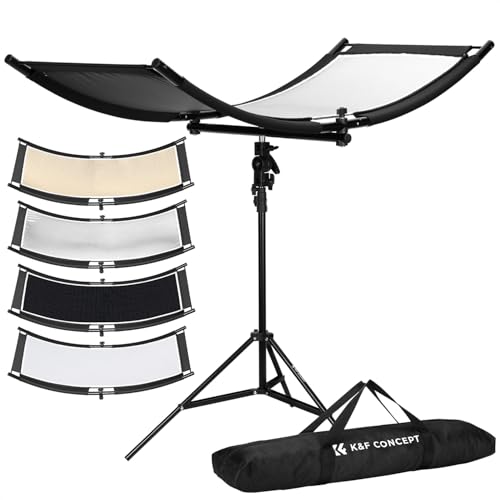
Using reflectors can bounce light onto darker areas of your piece. You can craft a simple reflector with white cardboard or a professional-grade reflector. Diffusers, like sheer fabrics, soften the harshness of direct light, creating a more flattering illumination.
Experimenting with Angles
- Try shooting from various angles. A slightly raised position reveals depth and perspective.
- Side lighting emphasizes texture, bringing out the grain in wood or fabric patterns.
- Shooting from below can create a dramatic effect, especially with larger items.
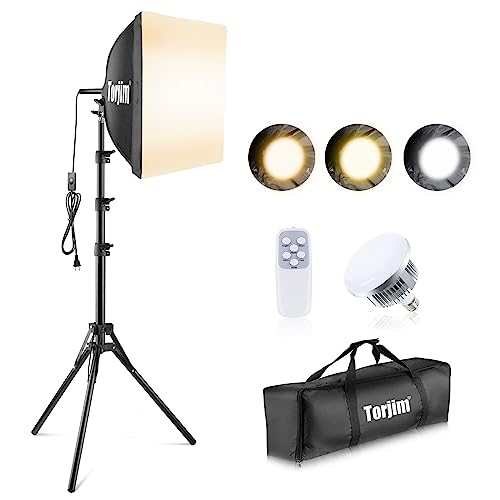
When using artificial light, ensure it complements the environment. Softbox lights prevent glare and mimic natural light. Use multiple light sources to avoid uneven illumination and create a balanced look.
Pay attention to color temperature. Consistency in lighting helps avoid distracting color casts. Utilize daylight bulbs for a natural feel and keep settings uniform across shoots.
Finally, avoid cluttered backgrounds. The right light will enhance your piece, but a busy setting can detract from it. A simple setup allows the item to be the focal point, giving it the attention it deserves.
Camera Settings for Optimal Furniture Photography
Use a low ISO setting, around 100-200, to reduce noise and capture crisp images. A lower ISO works well in bright light, ensuring details in textures and finishes are sharp.
Aperture Settings
Set the aperture to a value between f/8 and f/11 to achieve a deep depth of field. This setting will keep both the foreground and background in focus, highlighting the structure and surrounding elements of your subject.
Shutter Speed
Adjust the shutter speed according to the lighting conditions. A speed of 1/125 or slower may be necessary for indoor environments, but using a tripod can help avoid motion blur. For better stability, consider using a remote shutter release or the camera’s timer function.
For consistent results, shoot in RAW format. This allows for greater flexibility during post-processing, especially when adjusting exposure and color balance without losing quality.
Staging Furniture for Maximum Appeal
Utilize a harmonious color scheme to create a cohesive look. Select throw pillows, rugs, or artwork that complements the main piece. This draws attention to the item while enhancing the overall aesthetic.
Incorporate natural elements like plants to introduce life and texture. A strategically placed green plant can soften hard edges and add warmth, making the space inviting.
Arrange complementary decor around the central piece to showcase its potential. For example, place books or a stylish lamp nearby to illustrate functionality, helping buyers envision how the item fits into their lives.
Maintain an uncluttered background. Remove unnecessary items to keep the focus on the featured piece, allowing viewers to appreciate its details without distractions.
Experiment with different layouts. Position the item at various angles to discover the most flattering view. Shooting from above or from a side angle can reveal unique attributes not visible from the front.
Consider utilizing multiple settings. If possible, display the item in different settings or styles, such as in a living area versus a home office, to give potential buyers diverse ideas on how to incorporate it.
Finally, keep the space well-organized and clean. A tidy environment not only enhances the item’s visual appeal but also suggests a higher level of care, creating a positive first impression.
Composing Shots: Angles That Sell
Experimenting with various perspectives reveals the best representation of the piece. I often start with eye-level shots, capturing the item in its most natural position. This angle tends to resonate well with potential buyers as it mimics a standard viewing experience.
Dynamic Angles
Incorporating diagonal angles can add depth and intrigue. I position the camera slightly above or below the object, which helps in showcasing its dimensions and shape. An angle emphasizing depth draws attention to the design features, making the piece stand out. Don’t shy away from tilting the camera, allowing for a more stylized approach that can captivate viewers.
Detail Focus
Close-up views of distinct features or textures are vital. I often zoom in on fabric patterns, wood grain, or intricate details, highlighting craftsmanship. These shots allow prospective buyers to appreciate the quality, which enhances perceived value. Sometimes, integrating both wide shots and detailed frames in one set can create a cohesive narrative about the item.
Post-Processing Tips to Enhance Your Images
Utilize editing software to adjust brightness, contrast, and saturation levels. Enhancing these parameters can significantly improve the overall appeal of your images.
Color Correction
Adjust color temperature to ensure that the hues of your item appear true to life. A slight reduction in temperature can create a warmer feel, while increasing it will yield cooler tones. Pay attention to how these changes affect the aesthetics and mood of each shot.
Sharpness and Clarity
Apply sharpening filters cautiously to enhance details without introducing noise. It’s vital to review images at 100% zoom to assess the impact of sharpening. Adding clarity can help highlight textures and surfaces, making your items stand out more prominently.