
 Caleb Turner

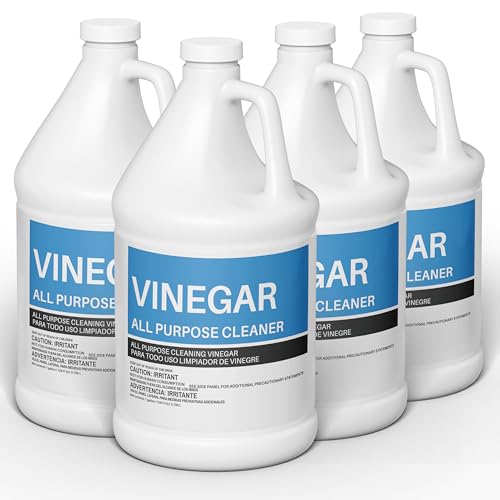
I recommend using a mixture of white vinegar and water to neutralize the lingering odor clinging to your wooden items. Combine equal parts of these two ingredients in a spray bottle. Lightly mist the surface and wipe it down with a microfiber cloth. The acidity of vinegar effectively counteracts unwanted fragrances.
Another method involves utilizing baking soda, a natural deodorizer. Sprinkle a generous layer of baking soda over the affected areas and leave it overnight to absorb any persistent odors. Vacuum the residue the next day for a fresh scent.
For deeper cleaning, I suggest employing a solution of dish soap and warm water. Use a soft cloth dampened with the soapy mixture to gently clean the surface. This not only helps remove the odor but also any grime that may have accumulated.
Lastly, placing bowls of activated charcoal or coffee grounds in drawers or around your space can effectively absorb residual scents over time. Regularly replacing these items will ensure a continued fresh atmosphere.
Removing Odor from Wooden Surfaces
Mix equal parts of vinegar and water in a spray bottle. Lightly mist the solution over the affected areas and wipe with a soft cloth. This can neutralize unpleasant scents effectively. Allow the surface to air dry, as the vinegar scent will dissipate, taking other odors with it.


Infused Treatments
Utilize baking soda for odor absorption. Sprinkle a generous layer on the surface, leave it for several hours or overnight, then vacuum or wipe clean. Another option is to create a paste with baking soda and water. Apply it to stubborn spots, let it sit, and scrub gently with a soft cloth.
Essential Oils for Freshness
Incorporate essential oils to mask and eliminate unwanted scents. Add a few drops of oils like lavender or lemon to your vinegar solution, enhancing the aroma. After cleaning, you can also diffuse essential oils in the space to promote a fresh ambiance.
Understanding the Source of the Odor
Identifying the origins of the unpleasant scent is critical. Residues from nicotine and tar can permeate the porous surfaces of various materials, including finishes of my beloved pieces. Cigarette residue embeds itself into the grain, making it challenging to eliminate without proper techniques.
Contaminants from smoke cling not only to the surface but can also seep into layers beneath the outer finish. This penetration occurs because many wood varieties possess natural porosity, allowing particles to settle and accumulate over time. I often find that this depth of infiltration contributes significantly to the persistence of the odor.
Environmental factors like humidity and temperature can aggravate the issue, causing the embedded substances to release odors intermittently. Understanding this dynamic is fundamental in approaching the cleaning process effectively. I also realize that each wooden item may require unique consideration based on its age, type, and existing treatment.
Regular exposure to tobacco smoke exacerbates the issue, leading to an ingrained odor that feels almost impossible to remove. Acknowledging these factors empowers me to choose the most suitable methods for restoring freshness while preserving the integrity of my cherished pieces.
Initial Cleaning Steps for Wood Items
Begin by gathering essential materials: a soft cloth, mild detergent, and white vinegar. Avoid using harsh chemicals that can damage the surface.
Dust and Wipe Down
- Gently remove dust from the surface using a dry, soft cloth.
- Prepare a solution of warm water mixed with a few drops of mild detergent.
- Moisten a clean cloth with the solution and gently wipe the affected areas.
Deep Cleaning with Vinegar
- Create a mixture of equal parts water and white vinegar.
- Apply this solution to a cloth, not directly on the item.
- Wipe the surfaces thoroughly, ensuring to reach crevices where residue may accumulate.
After cleaning, allow the surfaces to air dry completely. This step prepares the way for further treatments aimed at eliminating lingering scents.
Using Baking Soda to Absorb Unpleasant Odors
I recommend sprinkling a generous amount of baking soda on surfaces affected by persistent odors. Let it sit for at least 12 hours or overnight to maximize absorption. The fine particles of baking soda effectively trap airborne particles responsible for the unpleasant scent.
For intricate areas or items, consider placing open containers filled with baking soda in drawers, cabinets, or on shelves. This approach allows the baking soda to gradually draw in and neutralize the undesirable aroma over time.
After the absorption period, I gently vacuum the baking soda to clear away any residue. This ensures the area not only becomes fresh but also retains its original appearance. If necessary, repeat the process until I achieve the desired results.
If I’m dealing with particularly stubborn odors, I sometimes mix baking soda with a few drops of essential oil to add a pleasant fragrance while still targeting the unwanted scent. This mixture provides an added layer of odor neutralization.
Applying Vinegar Solutions for Odor Removal
Mix equal parts of white vinegar and water in a spray bottle. Lightly mist the affected areas of the surface, ensuring even coverage without saturation.
Allow the solution to sit for 10 to 15 minutes, allowing the vinegar to penetrate and neutralize unpleasant odors. Following this, wipe the area with a clean, dry cloth to remove any excess moisture.
For stubborn odors, a thicker paste can be created by combining vinegar with baking soda. Apply this paste to the surfaces, let it sit for an additional 30 minutes, and then wipe it clean with a damp cloth to remove any residue and absorb odors.
Consider placing bowls of vinegar around the room where the items are located. This will gradually absorb persistent scents from the air.
- Test any solution on a small, inconspicuous area first to avoid damage.
- Ventilate the area well to help dissipate any lingering fragrances from the vinegar itself.
- Repeat the process as necessary until the odors diminish significantly.
Using vinegar not only helps remove any unwanted fragrances but also provides a natural method for refreshment without harsh chemicals.
Utilizing Activated Charcoal for Deodorizing
Place small bowls filled with activated charcoal around the space where the pungent aroma lingers. This natural adsorbent pulls in unwanted particles, neutralizing strong odors effectively. It’s essential to use high-quality activated charcoal for the best results.
For optimal impact, allow the charcoal to remain undisturbed in the area for several days. If possible, combine this method with proper ventilation; opening windows or using a fan can enhance air circulation, leading to better odor absorption.
When the charcoal seems exhausted, typically after a few weeks, replace it with fresh material. To extend the lifespan of the charcoal, consider placing it in a sunny spot periodically to recharge its adsorptive properties.
Activated charcoal is not only limited to bowls; it can also be placed in sachets or pouches that can be hung within or around the affected items. This offers a versatile approach while maintaining aesthetics.
Using activated charcoal is an excellent way to combat persistent odors, as it works silently and efficiently, requiring minimal effort for noticeable results.
Using Essential Oils Safely on Wood
Choose oils like tea tree, lavender, or lemon for their pleasant aromas and antibacterial properties. Dilute these oils with a carrier oil, such as fractionated coconut oil or jojoba oil. A ratio of 1 part essential oil to 4 parts carrier oil is effective. This helps to prevent potential damage while still providing aromatic benefits.
Before applying the mixture, conduct a spot test on an inconspicuous area. Assess the wood’s reaction after a few hours. If there’s no discoloration or warping, proceed with broader application.
Use a soft microfiber cloth for application, gently rubbing the oil mixture onto the surface. Avoid soaking the wood, as excess moisture can lead to damage.
Regularly maintaining wood surfaces with oils not only enhances their appearance but also offers protection. A cautious approach ensures the longevity of the finish and overall condition. Store any unused oil blend in a tightly sealed container, away from direct sunlight, to preserve quality.
Using Commercial Odor Eliminators Effectively
Opt for a high-quality commercial odor eliminator specifically formulated for porous surfaces. Search for products containing enzymes, as they break down odor-causing molecules. Always test a small area first to avoid damage.
Application Method
Apply the solution directly onto the affected areas. Use a clean cloth or sponge to gently work the product into the surface. Allow it to sit as per the manufacturer’s instructions, usually ranging from 15 minutes to several hours.
Follow-Up Process
After the appropriate exposure time, wipe the surface with a clean, damp cloth to remove any residue. For optimal results, repeat the application if necessary. Maintain ventilation to aid in the overall deodorizing process.
| Product Type | Key Features | Application Frequency |
|---|---|---|
| Enzyme Cleaners | Break down odor molecules | As needed |
| Odor Absorbers | Traps smells naturally | Monthly |
| Aerosol Sprays | Instant coverage | Weekly |
Read labels for specific instructions regarding safety and effectiveness to ensure compatibility with the materials being treated. Proper use of these products can significantly improve air quality and enhance the pleasantness of your space.
Preventing Future Smoke Odors in Furniture
Ensure proper ventilation in your space by opening windows and using exhaust fans to circulate fresh air. This will help reduce the likelihood of lingering scents settling into surfaces.
Implement Regular Cleaning Routines
Establish a consistent cleaning schedule that includes dusting and wiping down surfaces. Use mild cleaners suitable for your materials. Incorporate natural deodorizers into your routine, such as diffusing essential oils or using air purifiers with activated charcoal filters.
Control Smoking Habits
If smoking occurs indoors, designate a specific area away from furnishings. Invest in high-quality air purifiers to capture particles and odors. Consider using a smoke-neutralizing spray immediately after use to minimize residue.
| Action | Frequency | Effectiveness |
|---|---|---|
| Ventilation | Daily | High |
| Regular Cleaning | Weekly | Medium |
| Designated Smoking Area | As Needed | High |
| Air Purifier Usage | Continuous | Very High |
Monitor humidity levels; excessive moisture can contribute to odor retention. Use a dehumidifier if necessary. Lastly, when possible, discourage smoking indoors. Adopting these proactive measures will significantly assist in maintaining a fresh environment.
When to Consider Professional Help
In cases where DIY methods fail to eliminate persistent odors, I suggest seeking expert assistance. This option is particularly relevant if:
- The furniture has absorbed strong, entrenched aromas over an extended period.
- Home remedies and commercial products have not yielded satisfactory results.
- The item in question is valuable, antique, or has sentimental significance, warranting careful restoration.
- Damage to the structure or finish becomes apparent during cleaning, indicating the need for specialized care.
- Time constraints prevent thorough personal efforts, making a professional service a practical choice.
Consulting with a specialist can provide techniques tailored to the specific material and condition of the item. Their experience often reveals insights and methods that are not accessible to the average person. Additionally, they typically have access to advanced equipment such as ozone generators or specialized steam cleaners for deeper restoration.
Overall, knowing when to hand over the task can save not only time but also potentially costly damage to cherished belongings.


