Caleb Turner
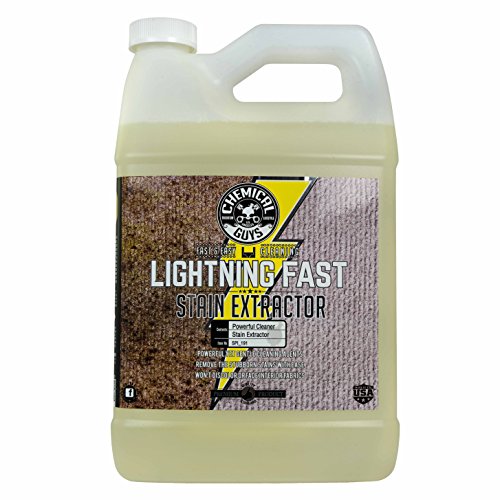
Regular dusting with a soft cloth is crucial for preventing grime buildup on synthetic upholstery. I recommend making this a weekly habit to keep surfaces looking fresh.
For deeper cleaning, use a mixture of mild soap and water. Apply it using a soft sponge and avoid saturating the material, as excess moisture can lead to damage. Wipe off any residue with a clean, damp cloth to ensure no soap is left behind.
Spills should be addressed immediately. Blot the area gently with a soft cloth to absorb liquid, and then clean with a soapy solution as described earlier. I find that acting quickly helps prevent stains from setting in.


To prevent wear and tear, position your pieces away from direct sunlight and heat sources, as this can cause fading and cracking over time. This simple adjustment can significantly enhance the longevity of your items.
Conditioning the surface every few months with a designated cleaner can preserve its appearance and texture. Always follow the manufacturer’s instructions for the best results.
Maintenance Tips for Synthetic Upholstery
Regularly wipe surfaces with a soft, damp cloth to remove dust and spills. Use a mild soap solution for more stubborn stains, ensuring the cloth is not overly wet to prevent moisture damage.
For deeper cleaning, I recommend applying a gentle upholstery cleaner specifically designed for synthetic materials. Always test it on a small, inconspicuous area first to check for colorfastness.
Conditioning these surfaces is important to maintain their suppleness. I use a conditioner suited for synthetic upholstery every 6-12 months. This helps prevent cracking and fading.
Keep furniture away from direct sunlight and heat sources to protect against warping and discoloration. Use curtains or blinds to minimize exposure.
If the surface develops cracks or peels, consider using a repair kit designed for synthetic materials. This can help restore appearance and prolong lifespan.
Be mindful of sharp objects and pet claws, as they can cause punctures. I ensure that these surfaces are kept clear of potential hazards.
| Action | Frequency | Notes |
|---|---|---|
| Wipe down | Weekly | Use a soft, damp cloth |
| Deep clean | Every 3-6 months | Use a synthetic material cleaner |
| Condition | Every 6-12 months | Check for compatibility |
| Repair damage | As needed | Use a designated repair kit |
Understanding Faux Leather Materials
To identify synthetic upholstery, look for a few key characteristics: the backing layer, often made from fabric, indicates quality. If it feels smooth and slightly tacky, it’s a good indicator of a durable alternative. Natural variations typically found in genuine hides will be absent.
Various types of imitation coverings exist, including polyvinyl chloride (PVC) and polyurethane (PU). PVC tends to be more rigid, while PU offers better flexibility and breathability. Choosing the right type depends on the intended use and aesthetic preferences.
Regularly inspect surfaces for signs of wear or damage. Although resistant to stains, these materials can show scratches; act quickly to minimize visibility. Use a soft damp cloth for cleaning, and avoid harsh chemicals that might degrade the finish.
Consider the environment where synthetic seating is placed. Excessive sunlight can lead to fading, while extreme temperatures may affect flexibility. If possible, maintain a stable climate and limit exposure to direct sunlight.
For longevity, limit direct contact with sharp objects and always test any cleaning product on a discreet area first. This approach helps ensure the longevity of the upholstery while maintaining its visual appeal.
Cleaning Faux Leather Surfaces Properly
For maintenance, I use a damp cloth with mild soap to wipe down any surface. Avoid soaking the fabric, as excess moisture can lead to peeling. After cleaning, I always dry the area with a soft, dry cloth to prevent water spots.
Stubborn Stains
For persistent marks, a mixture of equal parts water and white vinegar works wonders. I apply it gently with a cloth, rubbing the spot softly until the stain lifts. Rinse any residue with a damp cloth, then dry the area thoroughly to maintain the texture.
Regular Maintenance
I conduct routine dusting using a soft microfiber cloth to remove dust and dirt. This simple action helps in prolonging the appearance and longevity of the material. I also utilize specialized cleaners made for synthetic materials occasionally, ensuring compatibility with the surface.
Removing Stains from Faux Leather
I recommend addressing stains immediately for the best results. For water-based marks, gently blot with a soft, damp cloth to absorb excess moisture, then wipe with a mixture of mild soap and water. Avoid scrubbing, as this can damage the surface.
For oil-based stains, sprinkle a small amount of cornstarch or talcum powder onto the affected area to absorb the grease. Leave it for a few hours before wiping it away with a clean cloth. If necessary, repeat the process.
Ink stains are tricky; I suggest using rubbing alcohol. Apply a small amount on a cotton ball and gently dab the stain. Do not rub, as this might spread the ink. Follow with a clean, damp cloth to remove any residue.
For colored stains, I recommend a mixture of warm water and white vinegar in equal parts. Apply it sparingly with a cloth and blot until the stain has lifted. Always test any solution on an inconspicuous area first.
Finally, to prevent future issues, consider applying a protective spray designed for synthetic materials after cleaning. This adds a barrier against stains.
Preventing Scratches and Scuffs
Utilizing coasters or placemats for drinkware and food is fundamental. This simple step minimizes the chances of surface damage from spills and heat.
Regularly rearranging items placed on the upholstery reduces the likelihood of wear patterns. Consider using felt pads on the bottom of furniture or décor to prevent scraping.
Direct sunlight can cause fading and weakness in synthetic materials. I strategically position my seating away from intense sunlight to maintain integrity.
Using protective covers when not in use is another effective method. These shields act as barriers against unexpected impacts and scratches.
Regularly inspecting for small blemishes allows me to address them before they worsen. Prompt attention to minor issues preserves the overall appearance.
Avoid wearing rough clothing or accessories while sitting on these surfaces. Textures from certain materials can lead to unwanted abrasions.
Finally, I recommend keeping pets’ claws trimmed. This reduces the risk of unintentional scratches when they jump on or off the upholstery.
Conditioning Faux Leather for Longevity
To maintain the quality and appearance of synthetic upholstery, I recommend using a specialized conditioner designed for synthetic materials. I apply the conditioner every six months to keep the surface supple and reduce the risk of cracking. Ensure the area is clean and dry before applying the conditioner to prevent dust or residues from trapping moisture.
Application Tips
Using a soft, lint-free cloth, I spread a small amount of conditioner evenly across the surface. Gentle circular motions work best to incorporate the product without causing damage. After application, I let it sit for a few minutes, then buff with a clean cloth to remove any excess product.
Choosing the Right Product
I prefer water-based conditioners free from harsh chemicals. Reading labels helps avoid potential damage to the surface. It’s wise to conduct a patch test on a hidden area first to ensure compatibility. Regular conditioning not only enhances the look but also protects against wear and tear, prolonging the lifespan of the material.
Protecting Faux Leather from Sun Exposure
To shield synthetic upholstery from direct sunlight, consider utilizing window treatments such as curtains or blinds that effectively block UV rays. A strong UV filter can significantly minimize potential fading and deterioration.
Placement matters; avoid positioning synthetic seating or cushions near windows where sunlight streams in. If relocation isn’t feasible, use furniture covers designed to reflect sunlight, ensuring that these materials are breathable to prevent moisture buildup.
- Apply UV protectant sprays specifically formulated for synthetic materials to create an additional barrier against sun damage.
- Regularly rotate cushions or seating elements if they are subjected to uneven sunlight to ensure consistent exposure.
- Consider protective screens or outdoor pergolas for patio or garden settings where direct sun is unavoidable.
During peak sunlight hours, close curtains to guard against harmful effects. The right precautions allow you to maintain the aesthetic and integrity of synthetic items for a longer period of time.
Storage Tips for Faux Leather Items
Ensure items remain in optimal condition by following these storage guidelines:
- Choose a cool, dry area to prevent humidity-related damage.
- Avoid direct sunlight exposure; consider using covers or curtains in storage spaces.
- Store items upright whenever possible to maintain their shape.
- Use breathable dust covers instead of plastic, which can trap moisture.
- Keep away from sharp objects that may cause punctures during storage.
- Regularly inspect stored pieces for signs of wear or damage.
- Consider using furniture pads or blankets to avoid scratches if stacking items.
Following these steps can significantly prolong the lifespan of synthetic upholstery and accessories.
Recognizing When to Replace Faux Leather Furniture
Inspect for cracks or tears on the surface. If these are widespread, it is a sign that the material is beyond repair. Minor scratches can be treated, but significant damage indicates a need for replacement.
Color Fading and Discoloration
Watch for uneven color fading or patches that look bleached. This deterioration not only affects aesthetics but may also signal the breakdown of the material. Once the color is compromised, the piece loses its appeal.
Persistent Odor
A lingering unpleasant smell can signal material degradation. If the odor persists despite cleaning efforts, consider replacing the item, as it may harbor mildew or other irreparable issues.
Evaluate the overall structural integrity. If the frame feels unstable or the cushioning has collapsed, it may be financially wiser to invest in a new piece. Such issues compromise comfort and use.
Lastly, consider how much maintenance the item requires. If repairs or restoration efforts outnumber the enjoyment or utility provided, it may be time to consider a replacement for a more reliable option.