Caleb Turner
Regularly apply a high-quality wood oil to protect the surface from moisture and UV damage. This treatment enhances the richness of the natural hues while providing a protective barrier against the elements.
After exposure to rain, gently wipe down the pieces with a soft cloth to prevent water pooling, which can lead to swelling or warping. Make it a habit to check for any signs of wear or damage regularly, as early detection can save you from costly repairs later.
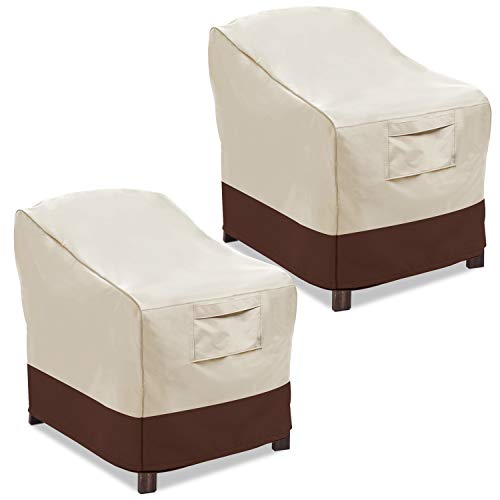
During winter months, storing the items in a dry space prevents the harsh effects of frost and sunlight. If relocating isn’t feasible, cover them with breathable cloths that allow for air circulation while blocking out moisture. Regular cleaning with a mild soap solution ensures that dust and grime don’t accumulate, allowing the natural beauty to shine through.


Maintenance of Acacia Outdoor Items
The best option is to apply a protective finish designed for outdoor applications. Look for products that offer UV protection and water resistance. This significantly slows down the aging process and preserves the natural beauty of the surface.
Regular Inspection
- Examine for signs of wear or damage. Pay particular attention to joints and edges.
- Check for any mold or mildew, especially in damp conditions.
Cleaning Routine
I prefer using a mixture of mild soap and water to clean the surfaces. A soft cloth or sponge works effectively without causing scratches. Rinse thoroughly and allow to dry completely.
- Avoid using harsh chemicals or abrasive cleaners, as they may harm the finish.
- Seasonally, apply a specialized conditioner to maintain moisture levels within the material.
Storing items during harsh weather ensures longevity. If left exposed, protect with breathable covers that prevent moisture accumulation.
Understanding the Characteristics of Acacia Wood
This timber exhibits remarkable durability, making it highly resistant to decay and environmental stresses. Its natural oils provide protection from moisture, preventing warping and splitting. The rich, warm tones of this material give it an appealing aesthetic, enhancing the visual charm of exterior settings.
With a fine grain texture, this type of lumber can easily be stained or treated, allowing for various finishes to suit personal styles. It ages gracefully, developing a silver-gray patina when exposed to the elements, which many find attractive. This evolution highlights its capacity to blend seamlessly into diverse environments.
I’ve noticed that its density contributes to significant weight, which adds stability against strong winds. However, this weight can make maneuvering heavy pieces somewhat challenging, so planning arrangements is beneficial. Regularly inspecting joints and connections ensures longevity, as any movement can cause stress over time.
In terms of maintenance, the inherent resistance to pests is a key advantage, reducing the need for chemical treatments. Nevertheless, periodic sealing is suggested to enhance its protective qualities and maintain the desired appearance. Protecting from extreme weather fluctuations will further ensure its lifespan.
Overall, this material combines functionality with beauty, making it a favored choice for those looking to create an inviting and enduring environment. Understanding these characteristics allows for informed decisions regarding its use and maintenance.
Cleaning Routine for Acacia Wood Items
For optimal maintenance, I recommend a cleaning routine that includes a gentle approach. Start by mixing a few drops of mild dish soap with warm water. Use a soft sponge or cloth, dampen it in the soapy solution, and gently scrub the surface to remove dirt or grime.
Follow these steps for effective cleaning:
- Rinse the sponge or cloth thoroughly with clean water to remove soap residue.
- Wipe the surface with the rinsed sponge or cloth to eliminate any remaining soap.
- Dry the surface immediately with a dry, soft towel to prevent moisture absorption.
For stubborn stains, a paste of baking soda and water can be applied directly. Gently rub the area with a cloth and rinse thoroughly afterward.
Establish a schedule for cleaning, ideally every few weeks during usage peaks, and more frequently in case of exposure to elements, such as rain or heavy dust. Maintain awareness of the seating and surfaces, ensuring they remain free from debris that may scratch the finish.
Protective Treatments for Acacia Furniture
Applying a high-quality sealant is paramount. Look for a penetrating oil-based product designed for outdoor use. This creates a barrier against moisture and UV rays, prolonging the lifespan of your pieces.
Recommended Products
- Teak oil: While traditionally used for teak, it works exceptionally well with this type of timber.
- Wood preservative containing mildewcide: Helps prevent mold and mildew growth.
- Marine varnish: Offers extra protection against the elements, ideal for coastal areas.
Application Tips
- Clean the surface thoroughly before application. Ensure it’s dry for optimal adhesion.
- Apply the product using a soft cloth or brush, following the manufacturer’s instructions for even coverage.
- Reapply every 6 to 12 months based on environmental exposure and product recommendations.
Regular inspections are beneficial. Look for signs of wear or damage, and address these issues promptly to maintain the integrity of your pieces.
Dealing with Mold and Mildew on Acacia Wood
To eliminate mold and mildew from this material, I recommend mixing a solution of one part vinegar to one part water. Apply it to the affected areas using a soft cloth or sponge. Allow the mixture to sit for about 10 minutes to penetrate the spores.
Afterward, gently scrub the surface with a soft-bristle brush to lift away any remaining growth. Rinse thoroughly with clean water to remove all vinegar residue. Make sure to dry the surface completely, as moisture can foster regrowth.
For more stubborn mold, a diluted bleach solution can be effective. Combine one cup of bleach with a gallon of water, ensuring proper ventilation during application. Use gloves to protect hands and avoid any splashing. Again, rinse and dry well afterward.
Regularly inspecting your items is essential to spot early signs of mold. Seasonal cleanings should include checks for dampness or discoloration. In humid climates, consider a fan or dehumidifier in the vicinity to regulate moisture levels.
Applying a high-quality protective oil after cleaning can help prevent future issues while enhancing the surface’s natural beauty. Choose oils specifically designed for exterior use, as they provide a safeguard against moisture and mold. Reapply every few months to maintain this protective barrier.
Tips for Preventing Sun Damage to Acacia Furniture
Applying a high-quality UV protection spray regularly can significantly shield surfaces from harmful rays. This creates a barrier that prevents fading and cracking.
Consider using outdoor covers when items aren’t in use. These can keep direct sunlight off and reduce wear from exposure. Make sure the covers are breathable to avoid moisture build-up.
Repositioning the pieces periodically helps them to avoid prolonged exposure to the sun. This simple act can extend the lifespan of the finish and maintain the rich color of the material.
If possible, place the items in shaded areas, such as under patio umbrellas or gazebos. This minimizes the amount of sun exposure they experience throughout the day.
| Tip | Description |
|---|---|
| UV Protection Spray | Apply regularly to create a protective barrier against sunlight. |
| Outdoor Covers | Use breathable covers to shield against direct sunlight when not in use. |
| Repositioning | Change the location of the pieces to limit sun exposure. |
| Shaded Areas | Place items under shade structures to reduce direct sunlight. |
Regularly checking for signs of damage will help address issues before they worsen. Look for fading or cracks and act quickly to implement protective measures.
Restoring the Finish of Weathered Acacia Wood
I recommend beginning the restoration process with a deep cleaning. Mix warm water with mild soap and gently scrub the surface using a soft brush or cloth. Ensure all dirt and debris are removed, allowing the surface to breathe.
Once clean, assess the condition. If there are signs of discoloration or rough textures, sanding is the next step. Use fine-grit sandpaper to smooth out the surface, working with the grain to avoid scratches.
Applying a New Finish
After sanding, it’s essential to select the right protective product. Oil-based finishes enhance the natural beauty and provide a robust shield. Apply a thin layer using a clean cloth or brush, ensuring even coverage. Let it soak in for the recommended time, then wipe off any excess to prevent sticky residue.
A second coat may be necessary, especially for heavily weathered pieces. Always follow the manufacturer’s instructions regarding drying times and reapplication guidelines.
Maintenance Schedule
To prolong the life of the finish, establish a routine with periodic touch-ups. Here’s a simple table for reference:
| Task | Frequency |
|---|---|
| Deep cleaning | Every 3-6 months |
| Reapply protective finish | Annually |
| Inspect for damage | Every season |
This simple regimen will help maintain the charm and durability of your pieces, ensuring they remain a beautiful addition to your space for years.
Seasonal Care for Acacia Outdoor Furniture
In spring, I inspect each piece for any signs of wear or damage. I thoroughly clean the surfaces with a mild soap solution, ensuring all dirt and debris are removed. Once dried, I apply a protective oil to enhance the natural luster and prevent moisture absorption.
During summer, I focus on shielding the items from direct sunlight. I use umbrellas or covers to minimize UV damage. Regularly wiping down surfaces prevents dust buildup and maintains their appearance.
As autumn approaches, I prepare for falling leaves and potential rain. I clean the furniture once more and store any cushions indoors. If left outside, I ensure they are covered to keep them dry.
In winter, I take extra precautions. For areas where temperatures drop, I store all pieces in a sheltered location or use heavy-duty covers to protect against snow and ice. I check for any moisture accumulation under the covers, as this can lead to mold growth.
These seasonal steps help maintain both functionality and aesthetics, allowing me to enjoy my outdoor space year-round without compromising the durability of my furnishings.
Storing Acacia Furniture in Off-Season
To preserve your outdoor items during the off-season, clean them thoroughly before storage. Use a soft brush or cloth and, if necessary, a mild soap solution to remove dirt and grime. Rinse with clean water and allow them to dry completely.
Find a sheltered, dry location, such as a garage or basement, avoiding damp or humid areas that can lead to mold growth. If indoor storage isn’t possible, consider covering your pieces with breathable furniture covers to protect against moisture and dust while still allowing airflow.
Optimal Positioning
Store items in an upright position or stacked flat to prevent warping. For highly detailed or assembled pieces, disassemble when possible to save space and prevent damage. If using stacks, place a soft material between layers to avoid scratches and ensure ventilation.
Climate Considerations
Monitor humidity and temperature levels in your storage area. If conditions are too moist, use silica gel packs or a dehumidifier to regulate the environment. This proactive approach will greatly reduce the risk of warping and decay during the months of non-use.