Caleb Turner

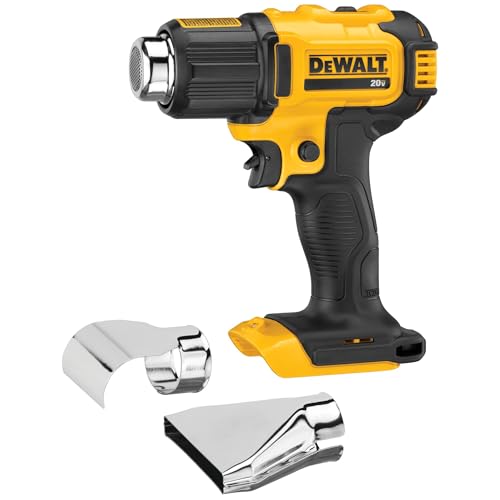
First, equip yourself with heat. A heat gun or hairdryer can soften adhesive bonds, making the separation easier. Focus on areas where joints are visible. Apply warm air for several seconds to loosen the grip of the binding agent.
Next, utilize a thin, sturdy tool like a putty knife or a chisel. Carefully slide it into the seam where two pieces meet. Work gently to avoid damaging the surface. Tapping the handle with a soft hammer enhances the blade’s penetration into tight spaces without causing splits.


If the initial attempts don’t yield results, consider using denatured alcohol or acetone near the joint. Apply a small amount to a cloth and wipe away excess adhesive. This solvent can further weaken the bond, facilitating easier disassembly.
For stubborn junctions, patience is key. Repeated applications of heat and gentle prying can eventually lead to success. Always prioritize the integrity of surfaces to maintain their aesthetic appeal.
Assessing the Furniture for Disassembly
Begin with a thorough visual inspection. Look for joints, seams, and any visible fasteners. Identify where the components connect, as these are potential points for separation.
Examine the structure closely:
- Check for dowels: These may require careful removal to prevent damage.
- Look for screws or bolts: Make note of their locations, as these can be less obvious but crucial for disassembly.
- Assess the joints: Recognize types such as mortise and tenon, which may be more challenging to disassemble than others.
Consider the materials used. Plywood and solid timber may react differently to disassembly efforts, with plywood being more prone to breaking if excessive force is applied.
Evaluate the finish. If the surface is lacquered or painted, be aware that prying apart sections may damage the finish, so plan for touch-ups post-disassembly.
Lastly, take photographs or sketches to document the assembly. This will serve as a reference when reassembling the segments later.
Gathering Necessary Tools and Materials
I ensure to collect the right tools for disassembly before proceeding. First, I grab a set of screwdrivers, including both flathead and Phillips, as screws may be hidden beneath the surface. A utility knife is handy for cutting through any adhesive or binding materials I may encounter.
A rubber mallet helps in loosening joints without damaging the surfaces, while a pry bar allows me to carefully separate connected parts. Clamps can assist in holding pieces securely during disassembly.
I also find wood glue solvent useful, especially for areas where glue is excessively strong. Rags and a small container for debris or screws keep my workspace organized. When needed, safety goggles protect my eyes from any unexpected splinters or debris.
Finally, having a soft cloth on hand helps in cleaning surfaces as I disassemble each segment, preserving the finish of the material for potential reassembly or reuse. By gathering these tools, I streamline the whole process and minimize risks of damage.
Identifying Glue Types and Joint Techniques
First, I assess the adhesive by looking for clues such as color and texture. Common adhesives include PVA (polyvinyl acetate), often white and milky, and polyurethane, which has a yellowish hue and a more rubbery texture. I scrape a small area gently to test its properties. PVA usually softens with heat or moisture, while polyurethane might require solvents.
Next, I examine the joints. Dowels and mortise-and-tenon joints signify a strong connection often found in high-quality items. If screws or nails are present, I determine their role–whether they reinforce a joint or merely fasten pieces together. I document joint types to plan disassembly steps.
Additionally, I take note of corner blocks or braces that support structural integrity, indicating the joining method’s complexity. Hidden screws might complicate disassembly, so I inspect thoroughly for concealed fasteners.
Finally, a magnifying glass aids in identifying finer details like the glue residue around joints, which provides insight into the assembly method. Knowing these specifics helps me prepare for a careful and systematic separation of components while preserving the integrity of remaining parts.
Applying Heat to Loosen Adhesive Bonds
I recommend using a heat source, such as a heat gun or a clothing iron, to soften the adhesive in the joints of your piece. Set your heat gun to a low setting or use the iron with a damp cloth to protect the surface from direct contact.
Position the heat source approximately 2 inches from the joint, moving it back and forth slowly to avoid scorching the wood. Apply heat for about 30 seconds, then check the joint’s flexibility by gently attempting to pull it apart. If it resists, give it more heat.
Keep safety in mind. Wear heat-resistant gloves and ensure proper ventilation in your workspace. Have a damp cloth handy to cool the surfaces after applying heat. This method can effectively break the bond without damaging the wood.
If using a heat gun, be cautious of the temperature, as excessive heat may warp or crack the material. Test the heat application on an inconspicuous area first to observe how the wood reacts.
Once the bond feels loose, gently pry the joint apart with a flat blade or a pry bar. Working methodically will help prevent any splitting or cracking. Apply more heat if resistance is felt, and continue working around the joint until it separates cleanly.
Using Solvents for Glue Removal
I recommend using solvents like denatured alcohol or acetone for effective adhesive bond dissolution. Begin by testing the solvent on an inconspicuous area to ensure it doesn’t damage the finish. Apply the solvent generously with a cloth or sponge directly onto the glued joint.
After soaking the area, allow a few minutes for the solvent to penetrate the adhesive. Some glue types, like PVA, will soften considerably, making separation easier. Keep a putty knife or flat tool handy to gently pry the pieces apart after the adhesive has absorbed the solvent.
Always work in a well-ventilated space and wear gloves to protect your skin from chemicals. If the initial attempt doesn’t yield results, a second application of the solvent may be necessary. Patience is key; aggressive prying can damage the material.
Clean the joint with a damp cloth afterward to remove any residue. This ensures that any remaining solvent doesn’t interfere with future repairs or finishes you may apply.
Carefully Separating Wooden Sections
To gently separate bonded components, I begin by inserting a thin, flat tool, like a putty knife or a small pry bar, into the joint. It’s critical to choose a position where the wood grain is most likely to withstand slight pressure without splintering. Gradually apply force, wiggling the tool while taking care to maintain even pressure on either side of the joint.
Using Force Wisely
If initial attempts don’t yield results, I might utilize a rubber mallet to tap lightly on the end of the tool. This can help release stubborn sections. Striking gently ensures that I avoid damaging the furniture. Always check for signs of movement to assess the effectiveness before continuing.
Checking for Hidden Fasteners
As I work through the disassembly, it’s vital to inspect for any concealed screws or nails that may be holding the pieces together. These could require removal prior to attempting further separation. A thorough examination of all edges and corners can reveal hidden fasteners that could hinder progress.
Repairing Damage from Disassembly
I recommend inspecting each component for cracks or dents after separation. Minor surface issues are manageable with sandpaper. Start with a fine grain and gradually move to a coarser one for deeper repairs.
For deeper gouges or cracks, I typically use wood filler. Here’s a straightforward approach:
- Choose a wood filler that closely matches the original color of the piece. Apply it with a putty knife.
- Allow the filler to dry according to the manufacturer’s instructions. This can take several hours.
- Once dry, sand the filled area until smooth, blending it with the surrounding surface.
After repairing imperfections, reintroduce any previously removed hardware. If screws or dowels are damaged, replace them to ensure structural integrity.
Next, I usually apply a wood finish or sealer, following these steps:
- Clean off any dust with a damp cloth.
- Choose an appropriate stain or finish that matches the original look.
- Apply in thin coats, allowing drying time between applications. Multiple coats may enhance depth and protection.
This meticulous process not only restores the aesthetic but also prolongs the lifespan of the items, ensuring they remain functional and visually appealing.
Reassembling or Repurposing the Wood Pieces
To create a new piece from the disassembled materials, I first sort the components by size and type. This facilitates the design process and helps visualize the potential of each section.
For reassembly, I ensure that all joints align correctly. Using wood glue on concealed joints enhances stability. Additionally, I reinforce crucial connections with screws or dowels as needed. This combination maintains both durability and aesthetics.
When contemplating repurposing, I consider each segment’s unique characteristics. For instance, wider boards can become tabletops or shelves, while smaller pieces might serve as drawer fronts or decorative accents. Keeping the original features can add charm; I refrain from altering the natural patina unless repairs demand it.
I catalog ideas for each piece before commencing any modifications. Sketching dimensions or even assembling simple prototypes saves time and allows for brainstorming alternatives.
Lastly, I prioritize safety throughout the process. Wearing protective gear, such as goggles and gloves, is essential when sanding or cutting, ensuring I avoid accidents while working with the materials.
| Piece Type | Potential Use |
|---|---|
| Wide Boards | Tabletops, Shelves |
| Narrow Strips | Drawer Fronts, Picture Frames |
| Legs | Stools, Benches |
| Cut-off Pieces | Decorative Accents, Coasters |