
 Caleb Turner

Begin by gathering necessary materials: a paint scraper, sander, and a solvent suitable for your specific finish. These tools will significantly ease the removal process.
Before applying any product, ensure proper ventilation in your workspace. Safety is paramount, so wear gloves and a mask to protect yourself from fumes and dust. It’s crucial to assess the type of coating on your wood to select the correct stripping agent.
Once you apply the chosen solvent, allow it to penetrate the surface according to the manufacturer’s instructions. After sufficient time has passed, use your scraper to gently lift the softened layer away. Take care not to damage the underlying wood.
After clearing the initial finish, sand the surface to smooth out any residual imperfections, preparing it for a fresh application. A finer grit will yield a more polished effect, enhancing the natural beauty of the wood.

Finally, clean the piece thoroughly to remove any dust or solvent residue, which prepares it for the new finish or protective coating of your choice. This detailed approach will transform your vintage or worn wood into a stunning centerpiece.
Removal Techniques for Dated Coatings
I recommend using a chemical remover specifically designed for coatings. Apply it generously with a brush, allowing it to penetrate for the time specified on the packaging. You’ll notice the finish bubbling up, indicating it’s ready to be gently scraped away. A plastic scraper works best to avoid damaging the underlying surface.
Natural Alternatives
If you prefer non-toxic methods, try a mixture of baking soda and water. Boil water, then add baking soda–this creates a strong solution. Soak a cloth in it and place it on the surface for several minutes before scraping. This method is slower but works effectively on many types of finishes.
Finishing Touches
After removing the top layer, clean the area with a damp cloth to eliminate residues. Sand the surface lightly with fine-grit paper to ensure it is smooth. This prepares the material for any new stain or finish you plan to apply afterward.
Choosing the Right Stripping Method for Your Furniture
Consider using chemical removers for tough finishes. They penetrate deeply, breaking the bond between layers. Apply with a brush, wait for the time specified on the product, and scrape gently with a plastic tool.
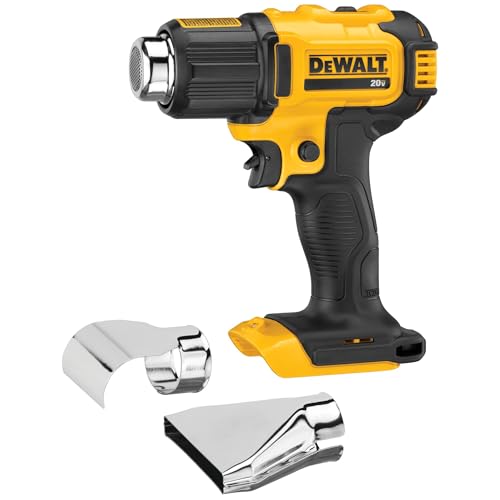
If you prefer a less hazardous option, try a heat gun. This method softens the coating, allowing for easier removal. Ensure to maintain a safe distance to prevent burning the wood. A spatula or scraper works well for peeling off softened layers.
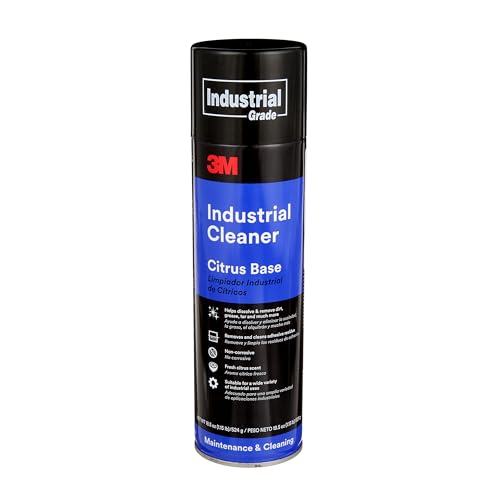
For those who value sustainability, consider plant-based alternatives. Citrus-based solvents are effective and emit fewer harmful fumes. Apply these with a cloth and remove residue as you go.
Mechanical methods, such as sanding, can be effective on small areas or intricate designs. Start with coarse grit to tackle the finish, then switch to finer grit for a smoother surface. This option requires careful attention to avoid damaging the wood underneath.
Assess the condition of your piece before deciding on a method. If wood is delicate or of historical significance, opt for gentler approaches to preserve integrity and charm. Always test your chosen technique on an inconspicuous area to gauge its effectiveness and impact on the surface.
Gathering Necessary Tools and Materials
For this task, I gather the following items: a quality paintbrush or a foam applicator to efficiently apply the stripping solution. Safety goggles and a respirator are vital to protect my eyes and lungs from fumes. I also include a sturdy putty knife or scraper, which makes it easier to lift the softened finish away.
A drop cloth is essential to protect the working area from drips and debris, while gloves safeguard my hands. A container for the stripping agent is necessary, along with fine-grit sandpaper for any final smoothing after the primary removal is complete.
If needed, I keep mineral spirits on hand for cleanup, ensuring I can easily manage residue. I also consider a heat gun for tougher materials, as it can soften finishes without harsh chemicals. Lastly, an old toothbrush or small brush helps clean crevices and intricate details in the wood.
Preparing the Workspace for Stripping Varnish
First, ensure adequate ventilation by opening windows or using fans. This minimizes inhaling any harmful fumes during the process.
Next, choose a suitable workspace that offers enough room to maneuver around the item without obstruction. Ideally, opt for an outdoor area or a garage with ample light to facilitate visibility.
Cover surrounding surfaces with drop cloths or old newspapers to protect them from drips or spills. Select a flat and stable table or a workbench to elevate the object, making access easier while applying the removal agent.
Organize your tools and materials before beginning. Keep everything within arm’s reach to avoid unnecessary interruptions. Here’s a list of items I find helpful:
- Stripping compound
- Protective gloves
- Safety goggles
- Scrapers
- Steel wool
- Rags or paper towels
- Bucket for waste
Avoid distractions by turning off mobile devices and focusing solely on the task at hand. I find it reduces mistakes and enhances concentration.
Lastly, wear suitable clothing to prevent damage or contamination. Old clothes that I don’t mind getting stained work best. With everything set and organized, I’m ready to proceed with the task efficiently and safely.
Applying Chemical Stripper Safely and Effectively
Before engaging with the chemical agent, I make sure to wear appropriate personal protective equipment (PPE). This includes gloves, goggles, and a respirator mask to shield my skin, eyes, and lungs from harmful fumes.
Selecting a Safe Location
I always work in a well-ventilated area. If indoors, I open windows and use fans to promote airflow. If possible, I prefer outdoor spaces where fumes can dissipate quickly.
Application Technique
- I begin by testing the chemical agent on a small, inconspicuous section of the surface to gauge its effectiveness.
- Utilizing a brush, I apply an even coat of the chemical, ensuring to cover all areas uniformly.
- I allow the product to sit for the recommended time specified in the instructions, monitoring for bubbling or lifting, which indicates effectiveness.
- Once time is up, I carefully scrape away the softened finish using a plastic or metal scraper, taking care not to damage the underlying material.
After finishing, I always clean the surface with water or a neutralizing agent as indicated on the product label. This step is essential to remove any chemical residues.
Disposing of Waste
I adhere strictly to local regulations for disposal. Leftover materials and used applicators must be disposed of in a safe and environmentally-friendly manner.
Removing Varnish with Heat Guns: Tips and Techniques
Utilize a heat gun on a low setting to melt the coating, making it easier to scrape away. Maintain a distance of about 2-4 inches from the surface to avoid scorching the wood.
Work in small sections; focus on an area approximately one square foot at a time. Move the heat gun in a back-and-forth motion to evenly distribute heat. Watch for bubbling, which indicates the finish is ready to be removed.
Employ a scraper or putty knife to gently lift the softened material while it is still warm. Always use caution to prevent gouging the underlying wood. A metal scraper is more effective, but ensure it is kept at a slight angle to avoid damage.
Wear safety goggles and a mask. The fumes released can be harmful, especially in poorly ventilated areas. Improve airflow by opening windows or using a fan to stay safe.
For intricate parts or carvings, consider using a smaller tool or a brass brush after softening the finish. This approach allows for precise removal without damaging details.
After completing the task, clean the surface thoroughly with mineral spirits to remove any remnants. This step ensures that the wood is completely prepared for any new finish you plan to apply.
Test the heat gun on an inconspicuous area first to familiarize yourself with how the material reacts. Each finish may respond differently, so adjusting the temperature setting may be necessary.
Utilizing Sanding for Final Varnish Removal
For that last bit of finish left on the surface, I turn to sanding, a precise method to achieve a smooth texture. I begin with coarse-grit sandpaper, typically around 80-grit, to tackle stubborn remnants. Working in the direction of the wood grain is key to preventing damage.
After removing most of the remaining finish, I switch to a finer grit, like 220-grit, to refine the surface. This step ensures that any scratches from the coarse paper are smoothed out. It’s crucial to keep the sandpaper clean; regularly shaking off dust helps maintain its effectiveness.
Tips for Effective Sanding
Using a sanding block or an orbital sander can greatly assist in achieving even pressure and avoiding gouges. I always wear a dust mask and protective eyewear to safeguard against fine particles. After sanding, I wipe the surface with a tack cloth to remove dust and debris, preparing it for the final finishing touch.
Final Checks
Before proceeding with any new finish, I inspect the surface closely. Any uneven areas need additional sanding. Ensuring a perfectly smooth texture will make the application of the new finish more successful and visually appealing.
Cleaning and Neutralizing Stripped Surfaces
After removing the finishing layer, it’s vital to cleanse the surfaces thoroughly. I prefer a mixture of water and mild dish soap. This combination effectively dissolves remaining residues and prepares the wood for subsequent treatments.
Steps to Clean
First, dampen a soft cloth with the soapy solution. Wipe down the entire surface, ensuring that all corners and crevices are addressed. It’s essential to avoid saturating the wood, as excessive moisture can lead to warping. Following this, use a clean, dry cloth to remove any soap residue.
Neutralizing Chemicals
If chemicals were used for the removal process, a neutralizing solution is necessary. White vinegar mixed with water in equal parts serves this purpose well. After cleaning, I apply this mixture with a cloth, ensuring to cover all areas where the stripper was applied. Rinse with a damp cloth afterward to eliminate any traces of vinegar, which can also affect future finishes.
Inspecting for Damage After Varnish Removal
After completing the finishing removal process, I examine the surface meticulously for any signs of damage. This includes checking for dents, scratches, or any warping that may have occurred over time. I find it helpful to run my fingers over the surface, as tactile inspection can reveal imperfections that may not be immediately visible.
Next, I look for discoloration or unevenness in the wood, which can indicate areas affected by moisture or prolonged exposure to sunlight. Using a flashlight can enhance visibility and help highlight these defects.
If I identify significant damage, I assess the extent and determine whether repairs are necessary. For minor scratches, a wood filler can often suffice. I ensure that the filler matches the wood color to maintain a seamless appearance. For deeper gouges, sanding may be required, followed by staining to blend the repair with the surrounding area.
Additionally, I check for loose joints or structural weaknesses that could affect the piece’s stability. Tightening screws or using wood glue can enhance sturdiness, ensuring longevity after refinishing.
Finally, I document any issues I encounter during inspection. This allows me to track repairs needed and monitor the overall condition over time. Keeping a record simplifies future maintenance and enhances my understanding of the piece’s history.
Applying a New Finish: Options and Steps
Choose between water-based and oil-based products based on the desired look and durability. Water-based finishes are quick-drying and low in odor, making them suitable for indoor applications. Oil-based options offer a richer appearance and increased protection but require longer drying times.
| Finish Type | Drying Time | Durability | Ease of Application |
|---|---|---|---|
| Water-Based | 1-2 hours | Medium | Easy |
| Oil-Based | 4-6 hours | High | Moderate |
Before application, ensure surfaces are clean and dry. I prefer using a lint-free cloth for wiping down the area. For best adhesion, lightly sand the surface with fine-grit sandpaper (220 grit) before starting, removing dust afterward with a tack cloth.
Use a high-quality brush or foam applicator for optimal results. Apply the finish in thin, even coats, allowing each layer to dry completely before adding another. I usually aim for two to three coats, depending on the finish type and the look I want to achieve.
Finish with a light sanding (320-grit) after the final coat has cured to minimize any imperfections. For a glossy appearance, consider adding a polishing compound after a few days of drying. This step enhances the shine and offers additional protection.
Lastly, maintain the polished surface with regular cleaning using a damp cloth and mild soap to protect the finish long-term.


