
 Caleb Turner

Remove the layers of old coverings using a chemical remover or a heat gun. I’ve found that gel-based strippers cling better to vertical surfaces, allowing for easier application. Apply it generously, and watch the original grain emerge as the old layers bubble up. Accessible products typically include formulations with acetone or methylene chloride, and they can be very effective.
Use a plastic scraper to gently lift the loosened layers. Metal scrapers can damage the wood beneath, so I always recommend keeping it gentle. Patience is key here; let the remover do its job without rushing. After the majority is removed, go over the surface with a fine-grade steel wool soaked in the same stripping solution to tackle any stubborn areas.
After stripping, thoroughly clean the surface using a cloth moistened with mineral spirits. This will remove any residual chemicals and grime. I repeat this process a few times until the wood feels completely clean. Once dry, it’s time to evaluate whether additional sanding is needed for a perfectly smooth finish.
Techniques for Removing Coatings from Vintage Pieces
Begin with a gentle approach by using a solvent specifically designed for furniture restoration. Apply it to a small section and let it sit for the recommended time to effectively soften the layer. Utilize a plastic scraper to carefully lift the softened materials, avoiding any damage to the underlying surface.
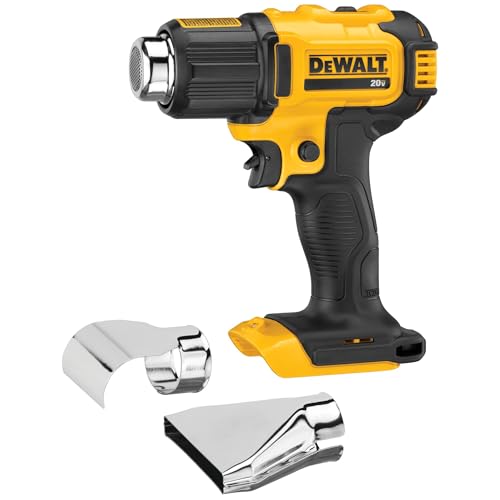


If the results aren’t satisfactory, consider employing a heat gun. Set it to a low temperature and keep it moving to prevent scorching. As you apply heat, use the scraper to peel away the coating. Always wear gloves and a mask to protect yourself from fumes.
When using any chemical method, ensure ample ventilation in your workspace. I rely on natural alternatives like vinegar or citrus-based products for minor jobs. They can often dissolve less stubborn coatings without harsh side effects.
After removing the finish, sand the surface lightly to prepare it for new treatment. Start with a coarser grit and gradually move to finer grits. This step is crucial to achieve a smooth, even surface for refinishing.
Finally, clean the surface thoroughly to eliminate any residue from the chosen removal method. Using a tack cloth will ensure that dust and particles don’t compromise the new finish.
Choosing the Right Stripping Method for Your Piece
Before beginning the restoration process, assessing the current condition of the surface is vital. Consider the type of finish previously applied, as well as the material your item is made from. This evaluation helps in selecting the most suitable removal technique.
Methods to Consider
- Chemical Strippers: Ideal for intricate details or stubborn layers. They penetrate deeply, softening the finish for easy removal. Ensure proper ventilation and protective gear when using these products.
- Heat Guns: Effective on thicker coatings. The application of heat makes the finish bubble up, allowing for easy scraping. However, caution is necessary to avoid burning the wood.
- Sanding: Best for small areas or where precision is required. Start with coarse grit and gradually move to finer grits for a smooth finish. Keep the sanding to a minimum to preserve the wood underneath.
- Biodegradable Strippers: A safer and eco-friendly option. This method is less harsh on surfaces but might require more time and effort to achieve desired results.
Assessing Your Approach
Select the method that aligns with your comfort level and the demands of the piece. For intricate designs, a combination of methods may provide the best outcome. Test any chosen technique on a small, inconspicuous area to judge its effectiveness before applying it to the entire surface.
Preparing the Furniture for Paint Removal
Clear the work area before you begin. I usually lay down a drop cloth to protect the floor and surrounding surfaces. Then, I make sure to have all necessary tools at hand, including scrapers, brushes, and safety equipment.
Inspect the item thoroughly. Any loose joints or weak areas should be repaired to prevent further damage during the process. Once the structure is stable, I clean the surface gently to remove dust and debris, which allows the product to work more effectively.
Safety Precautions
During this phase, I’m always mindful of safety. I wear gloves, goggles, and a mask to protect myself from chemicals and debris. Ventilation is crucial, so I open windows or work outside if possible.
Testing and Planning
Before applying any product, conduct a spot test on a hidden area. This will help gauge the reaction of the finish beneath. Depending on the outcome, I plan my approach accordingly. Each piece may require a different strategy.
| Preparation Step | Description |
|---|---|
| Clear Workspace | Remove clutter and cover surfaces |
| Inspect Item | Check for repairs needed |
| Clean Surface | Remove dust and grime |
| Wear Protective Gear | Use gloves, goggles, and masks |
| Test Hidden Area | Ensure compatibility of products |
This methodical preparation not only increases efficiency but also safeguards the integrity of the cherished piece.
Applying Chemical Strippers Safely and Effectively
Always wear appropriate personal protective equipment (PPE) such as gloves, goggles, and masks when working with chemical agents. This minimizes the risk of skin irritation, eye damage, and inhalation of toxic fumes.
Preparation Steps
- Work in a well-ventilated space. Open windows and use fans to promote airflow.
- Cover nearby surfaces with plastic sheets or drop cloths to catch any drips.
- Use a paintbrush to apply the stripper, working in small sections, ensuring even coverage.
Application Technique
- Apply a liberal amount of the chemical agent directly onto the surface.
- Wait for the time recommended by the manufacturer as it allows the product to penetrate and soften the finish.
- Use a putty knife or scraper to gently remove the softened material, taking care not to gouge the wood underneath.
- Repeat if necessary until the desired result is achieved.
After the application process, clean the surface thoroughly with water or a designated neutralizer to remove any residual chemicals, ensuring a safe prep for refinishing. Dispose of any waste according to local regulations, as chemicals can be hazardous to the environment.
Using Heat Guns: Tips and Techniques
Begin with a quality heat gun, setting it to low temperature to prevent scorching. Maintain a distance of about 3-4 inches from the surface, gradually moving the tool in a sweeping motion for even heating. This will help to loosen the topmost layers without causing damage.
Safety Precautions
Always wear heat-resistant gloves and safety goggles to protect against burns and flying debris. Ensure the workspace is well-ventilated to avoid inhaling fumes when layers start to melt.
Technique for Prepping
Before applying heat, test on a small, inconspicuous area. Once the surface begins to bubble or lift, use a putty knife to gently scrape away the softened material. Work in sections to maintain an effective workflow, allowing the heat gun to do the majority of the work.
Removing Residual Coating and Cleaning the Surface
After completing the initial removal process, I carefully inspect the item for any leftover coating. A soft cloth dampened with vinegar or a dedicated residue remover effectively tackles these stubborn spots. Gently rub the area until the remnants are lifted, ensuring not to damage the underlying wood.
For intricate details or carved areas, a nylon brush comes in handy. Its soft bristles allow access to hard-to-reach spots without scratching the surface. I dip the brush into a cleaning solution, lightly scrubbing to eliminate any lingering debris.
Once I’m satisfied with the removal, rinsing the piece with clean, warm water is essential. This step ensures that any cleaning agents or vinegar are fully washed away. I always dry the wood with a soft towel to prevent moisture damage.
To finish, I apply a wood conditioner. This treatment revitalizes the furniture, enhancing its natural grain and preparing it for any future refinishing or staining. I find that allowing the conditioner to set for the recommended time before proceeding with any new finish yields the best results.
Finishing Touches: Restoring the Furniture’s Original Charm
After removing the old layer, I focus on revealing the unique beauty that lies beneath. First, I inspect the wood for any damage, such as scratches or dents. I use wood filler to repair small imperfections, ensuring it matches the surrounding material as closely as possible.
Choosing the Right Finish
Next, selecting a suitable finish is crucial. I often prefer natural oils like tung or linseed, which enhance the grain while providing protection. These options allow the wood’s character to shine through without overwhelming it with synthetic gloss.
Applying the Finish
When applying the chosen finish, I use a soft cloth or brush, working in the direction of the grain. Multiple thin coats yield the best results, allowing me to build up a protective layer without causing the surface to appear overly glossy. Between coats, I lightly sand the surface with fine-grit sandpaper to promote adhesion and achieve an ultra-smooth finish.
Lastly, I consider adding a wax topcoat for extra protection and a subtle sheen. This step enhances the tactile experience, making the piece inviting to use, while preserving its historical authenticity.
FAQ:
What are the best methods to remove paint from antique furniture?
There are several effective methods to remove paint from antique furniture. One common approach is to use a chemical paint stripper, which can penetrate and dissolve the paint. It’s important to apply it according to the manufacturer’s instructions, usually allowing it to sit for a specific amount of time before scraping the paint off with a putty knife. Another method is using heat; a heat gun can soften the paint for easier removal. Sanding is another option, but it should be done carefully to avoid damaging the wood. Finally, consider using natural alternatives like vinegar or baking soda for lighter paint removal, though these may require more effort.
How can I ensure I don’t damage the wood while stripping paint?
To protect the wood while stripping paint, begin by testing your chosen method on a small, inconspicuous area. When using chemical strippers, avoid prolonged contact with the wood and follow up with gentle scraping. If you’re using a heat gun, keep it at a safe distance from the surface to prevent scorching. For sanding, use fine-grit sandpaper and sand in the direction of the grain to avoid scratches. Always take your time and be gentle during the process to maintain the integrity of the wood.
What safety precautions should I take while stripping paint from furniture?
Safety is paramount when stripping paint. Make sure to work in a well-ventilated area to avoid inhaling fumes, especially if using chemical strippers. Wear gloves and goggles to protect your skin and eyes. A respirator is advisable if the fumes are strong. Additionally, keep a fire extinguisher nearby if using a heat gun, as it can pose a fire risk. Always read and follow the safety instructions on the products you are using to minimize hazards.
Is it necessary to completely remove all paint from antique furniture?
It’s not always necessary to completely remove all paint from antique furniture. If the paint is in good condition and does not obscure the piece’s character, you might choose to repaint it or give it a touch-up instead. However, if the existing paint is chipping or peeling, or if you want to restore the original finish of the furniture, complete removal may be the best option. Weigh the historical value and your personal preference when deciding how much paint to remove.
Can I use homemade solutions to strip paint, and are they effective?
Homemade solutions can be effective for stripping paint, particularly for small areas or light layers. Common methods include using a mixture of vinegar and water or baking soda and water. Vinegar can soften the paint, making it easier to scrape off. Baking soda, when mixed with water and heated, can also help remove paint. While these natural methods can take more time and effort compared to chemical strippers, they are less harsh on both the furniture and the environment, making them a worthwhile option for some projects.


