
 Caleb Turner

First and foremost, I recommend using a mixture of vinegar and water for lifting layers off your wooden pieces. This combination is gentle yet remarkably effective in breaking down coatings, allowing for easier removal. Simply combine equal parts of both ingredients in a spray bottle, then spritz it on the surface. Let it sit for a few minutes before wiping with a soft cloth.
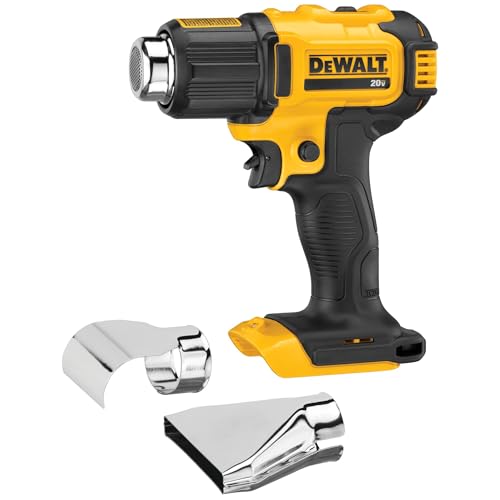
In addition, consider using heat for a chemical-free approach. A heat gun can effectively soften old finishes, making them easier to scrape off. Move the gun at a safe distance and apply heat in small sections until the surface becomes pliable. Be cautious to avoid scorching the wood.
Lastly, for a natural abrasive, I find baking soda works wonders. Mix it with a bit of water to form a paste. Apply this mixture to stubborn areas that resist other methods. The paste will not only assist in the removal process but also clean while being environmentally conscious.
Remove Paint and Stains Naturally
Begin by using a mix of water and white vinegar. Combine equal parts of both in a spray bottle, shake well, and spray directly onto the affected area. Let it sit for about 10-15 minutes to loosen the finish. Softly scrub with a fine steel wool pad or a soft cloth in the direction of the grain.
Another effective method involves applying baking soda. Create a paste by combining baking soda with a small amount of water. Apply the paste to stubborn spots and let it sit for a few minutes before scrubbing gently. This method helps lift the top layer without damaging the underlying wood.


For extensive surfaces, consider using a mixture of lemon juice and olive oil. This combo not only helps to clean but also nourishes the wood. Mix three parts olive oil with one part lemon juice, apply it with a cloth, and rub it in thoroughly. Wipe off any excess with a clean rag.
Steam cleaning is another excellent way to tackle stubborn finishes. Use a steam cleaner on the wood surface to soften the old coatings, allowing for easy removal with a scraper or cloth. Ensure the heat is controlled to avoid damaging the surface.
Lastly, if the previous methods do not yield results, utilizing a heat gun can also be beneficial. Gently apply heat to the finish until it bubbles, then carefully scrape it off while it’s still warm. Always proceed with caution to prevent burns or damage to the wood.
Understanding the Benefits of Chemical-Free Furniture Stripping
Choosing a natural method for removing finishes from woodworks can lead to significant advantages. First, it promotes a healthier environment, as I avoid exposure to harsh toxins typically found in commercial solvents.
Moreover, utilizing non-toxic techniques minimizes the risk of damaging the wood itself. This gentle approach preserves the integrity of the material, ensuring that the grain and texture remain intact for optimal refinishing.
Cost savings also come into play. Many natural alternatives, such as baking soda, vinegar, or steam, are affordable and readily available items, which significantly reduce the total expense compared to chemical strippers.
Additionally, the process itself can be much safer. By steering clear of noxious fumes, I create a more pleasant working environment, allowing for longer, uninterrupted sessions without the worry of health implications.
The sustainable aspect cannot be overlooked either. Engaging in eco-friendly practices aligns with my values of environmental conservation, supporting a more sustainable planet by reducing harmful waste.
The ability to reapply finishes with confidence is another perk. Utilizing natural methods ensures a clean surface, devoid of contaminants that could affect paint or stain adhesion, leading to a better final appearance.
| Benefit | Description |
|---|---|
| Healthier Environment | Avoids toxic exposure, ensuring safety during the process. |
| Wood Preservation | Maintains the integrity of the material for future finishes. |
| Cost-Effectiveness | Utilizes inexpensive, readily available alternatives. |
| Safety | Makes for a pleasant working environment, free from harmful fumes. |
| Sustainability | Supports eco-friendly practices and reduces waste. |
| Better Finish Adhesion | Ensures a clean surface for optimal application of final layers. |
In summary, adopting eco-friendly and safe methods contributes to not just individual projects but also broader sustainability efforts while enhancing my overall craft experience.
Tools Needed for Stripping Furniture Naturally
For removing old finishes from wood surfaces, specific tools streamline the process effectively. Here’s a concise list of what I use:
| Tool | Description |
|---|---|
| Heat Gun | A device that emits hot air, softening the existing finish for easier removal. |
| Scraper | A metal or plastic blade that helps lift away softened layers without damaging the wood underneath. |
| Sanding Block | Used for smoothing surfaces after the finish has been removed, ensuring an even texture. |
| Steel Wool | Great for fine detail work and polishing intricate areas post-stripping. |
| Biodegradable Soaking Solution | A natural mixture, often containing vinegar or baking soda, ideal for soaking pieces that are tough to strip by heat alone. |
| Shop Vacuum | Essential for cleaning up dust and debris created during the process, keeping the workspace tidy. |
| Protective Gear | Gloves and safety goggles to safeguard against any potential hazards while working. |
These tools form the foundation of an eco-friendly approach to refreshing wood items. Choosing the right equipment makes a noticeable difference in achieving a smooth finish while maintaining the integrity of the material.
Step-by-Step Guide to Using Heat for Stripping
Begin by gathering the necessary tools: a heat gun, putty knife, and a heat-resistant surface. Ensure you’re working in a well-ventilated area to avoid harmful fumes.
Applying Heat
Set the heat gun to a low temperature, typically around 500°F (260°C). Hold it a few inches away from the surface, moving it back and forth to evenly distribute the heat. Focus on small sections at a time to prevent damage to the wood.
Removing the Finish
As the finish begins to bubble or lift, use the putty knife to gently scrape it away. Be careful to angle the knife to avoid gouging the wood. Continue this process until the entire old layer is removed. For stubborn areas, reapply heat.
Conclude by allowing the surface to cool before sanding it lightly to achieve a smooth texture. Clean off any dust, and your piece will be ready for a new finish.
Employing Sanding Techniques for a Clean Finish
For a flawless outcome, I rely on a range of sanding methods. I begin by selecting the appropriate grit sandpaper. Starting with a lower grit, such as 60 or 80, eliminates rough layers efficiently. Once the majority of the old finish is removed, I transition to higher grits, like 120 and 220, which smooth the surface and prepare it for refinishing.
Using a sanding block or a random orbital sander ensures even pressure across the wood, preventing gouges. I make sure to sand in the direction of the grain to avoid scratches. When dealing with intricate details or corners, I switch to hand sanding to maintain precision.
To minimize dust, I frequently wipe the surface with a damp cloth during the process. This not only keeps the workspace cleaner but also helps me check for remaining spots that need attention. A tack cloth at the end effectively removes any lingering dust particles, ensuring the surface is pristine.
I also recommend sanding between coats of finish. This step allows the subsequent layer to adhere better, leading to a more durable and smoother final result. By following this method, the transformation is remarkable, allowing the natural beauty of the wood to shine through after the finishing touches.
Using Natural Oils and Soaps for Gentle Removal
To achieve effective removal of old finishes, I often turn to natural oils and biodegradable soaps. Coconut oil or olive oil can soften the layers, making them easier to remove. I apply a liberal amount of oil directly onto the surface and let it sit for a few minutes. This penetration reduces the adhesion of the finish.
After the oil has worked its magic, I use a soft cloth to gently rub the area in a circular motion, helping to lift the softened coating. For stubborn spots, a mixture of warm water and a few drops of liquid castile soap enhances the lifting process. This soap helps to break down residues without the harsh effects of traditional strippers.
Application Tips
When using oils, it’s essential to work in sections to ensure that the product remains wet and effective. I opt for a natural bristle brush for applying soap solutions, allowing better penetration into the grains. After treatment with oil or soap, always clean the surface with a damp cloth to remove any remaining oil or soap residue, preparing it for further treatment or refinishing.
Benefits of Natural Products
The advantages of these natural options are numerous. They are safer for both my health and the environment. Additionally, they can enhance the wood’s lustre while effectively preparing it for the next steps in restoration. I find that combining these methods provides a reliable alternative to harsher chemicals.
Safe Methods for Handling Furniture During Stripping
Use protective gear, such as gloves and safety glasses, to shield yourself from splinters and dust. Working in a well-ventilated area reduces inhalation risks from sanding or heating. I recommend placing a drop cloth under the item to catch debris and protect the underlying surface.
Stabilizing the Piece
- Ensure the item is on a sturdy work surface to prevent tipping or shifting.
- Consider using clamps to secure parts that may be loose or movable during the process.
- If dealing with larger items, two people may be necessary for safe handling.
Careful Movement Techniques
- Lift with your legs instead of your back to avoid injury.
- Use a dolly or furniture sliders for heavier objects to facilitate movement.
- Communicate with anyone helping you to coordinate turns or shifts in direction.
Implementing these strategies ensures a smooth and secure workflow while transforming your piece into a fresh new form.
Post-Stripping Care and Maintenance of Furniture
Immediately after the removal process, I recommend letting the item rest for at least 24 hours to ensure it is completely dry. This helps avoid any moisture-related problems.
Apply a wood conditioner or a penetrating oil to rejuvenate the surface. This treatment nourishes the wood and ensures an even absorption of subsequent finishes.
- Inspect for Damage: Look for any cracks or dents. Use wood filler to repair minor imperfections before moving on.
- Choose a Finish: Select a natural oil, wax, or stain to protect the bare material. Each option provides varying levels of gloss and protection.
- Application of Finish: Use a clean, soft cloth for even application. For oils, let it sit for a few minutes before buffing away the excess.
Regular maintenance is key. Dust the surface with a dry cloth weekly and periodically reapply a protective layer as needed.
Avoid placing items directly on the stripped piece for at least a week post-finishing to let the treatment cure adequately. This prevents any impressions or damage.
Store the item in a climate-controlled environment to shield it from extreme temperatures and humidity, which can warp or damage the wood over time. Consider using felt pads for the legs to minimize scratches when moving.
- Conduct routine checks for any signs of wear or damage.
- Keep the piece out of direct sunlight to prevent fading.
- Use coasters and mats to avoid staining and moisture damage.
Incorporating these practices will ensure the longevity and beauty of your repurposed pieces, preserving their charm and character for years to come.
FAQ:
What are some natural methods for stripping furniture without using chemicals?
There are several natural approaches to stripping furniture. One popular method involves using a mixture of vinegar and baking soda. By applying this paste to the surface and letting it sit for a while, you can loosen the old finish. Another option is to use heat; a heat gun can effectively soften the finish, making it easier to scrape off. Additionally, citrus-based oils can break down finishes too, providing a pleasant scent while you work. Each of these methods allows you to strip furniture more organically, reducing exposure to harmful substances.
Can I use food items like mayonnaise or peanut butter for stripping furniture?
Yes, food items like mayonnaise and peanut butter can actually be effective in removing sticky finishes from furniture. These products contain oils that can help break down certain types of finishes. To use them, simply apply a generous amount to the affected area and let it sit for several minutes. Afterward, you can gently wipe it away with a cloth. While these methods may require a bit of patience, they can work well for small areas or spots where traditional strippers are too harsh.
Are there any risks involved in stripping furniture without chemicals?
While stripping furniture without chemicals uses safer alternatives, there are still potential risks. For example, using heat guns can pose a risk of burns if not handled properly. Additionally, natural methods may take longer to work, requiring more effort to remove stubborn finishes. It’s crucial to test any method on a small, inconspicuous area first to avoid damage. Always ensure adequate ventilation, especially when using oils or heat, to prevent inhalation of fumes or accidental injuries.
How can I tell if my furniture is ready to be stripped using natural methods?
Before stripping furniture, examine the finish closely. If it appears flaky, peeling, or bubbled, it may be a good candidate for natural stripping methods. You can also perform a test by applying a small amount of your chosen natural stripper on an inconspicuous area to see how it reacts with the finish. If the finish begins to dissolve or lifts, your furniture is likely ready for a more thorough stripping process. Always ensure that the underlying wood is in good condition to avoid further complications.
What tools do I need to strip furniture without chemicals?
To strip furniture without chemicals, you’ll need a few basic tools. Start with a heat gun or a scraper for physically removing the finish. Additionally, fine-grit sandpaper can help smooth the surface afterward. For natural strippers, you might want soft cloths for application and removal, as well as containers for mixing any pastes or solutions. A soft brush can assist in getting into crevices. Having these tools on hand will make the process more manageable and effective, ensuring you achieve the desired results.
What are some natural methods to strip furniture without using chemicals?
There are several natural methods you can use to strip furniture without relying on harsh chemicals. One common approach is using vinegar or baking soda. For vinegar, mix equal parts of vinegar and water, apply it to the surface with a cloth, and let it sit for a while. For baking soda, create a paste with water, apply it to the furniture, and scrub with a soft cloth. Another option is to use heat; a heat gun can soften the finish, allowing you to scrape it off easily. You might also consider using sandpaper or a sanding block to gently remove the old finish. Always test any method on a small, inconspicuous area first to see how the material reacts.


