Caleb Turner

Begin by selecting a well-ventilated area to work. Safety gear, including gloves and a mask, is important. Gather necessary materials: a chemical remover, sandpaper of varying grits, a clean cloth, wood conditioner, and your desired stain.
Apply the chemical remover generously to the surface, allowing it to penetrate for several minutes. Use a scraper to gently lift off the old finish. Afterward, sand the wood with medium grit to eliminate residue. Progressively use finer grits for a smooth surface, ensuring no scratches remain.


Once you reach a polished surface, wipe it down to remove dust. Applying wood conditioner helps the stain adhere and enhances the final color. After the conditioner sets, apply your stain with a brush or cloth, working in the direction of the grain. Allow it to sit before wiping off excess for an even tone.
Refreshing Your Woodworks
Choose a well-ventilated space for the task. Always wear protective gear: gloves, goggles, and a mask to shield against dust and fumes. It’s crucial to gather all necessary supplies ahead of time:
- Stripping agent (chemical or natural)
- Scraper or putty knife
- Sandpaper (various grits)
- Rags and brushes
- Sealer or finish
- Drop cloths
Application of the Solution
Apply the chosen stripping compound generously with a brush. Allow it to penetrate the surface for the time specified on the product label. Monitor closely as it starts to bubble or peel away the previous layer.
- Use a scraper to gently lift off the loosened finish.
- Repeat if necessary, particularly in areas with stubborn residue.
Preparing for Staining
Once the surface is clean, sanding is next. Begin with coarse sandpaper, gradually moving to finer grits for a smooth finish. Always sand in the direction of the wood grain to avoid scratches.
After sanding, remove dust with a damp cloth and let it dry thoroughly. Apply your selected stain using a brush or cloth, ensuring even coverage. Wipe off excess after a few minutes for a controlled result.
- Let the stain dry completely before applying a protective finish.
- Consider multiple coats for a richer hue, allowing each layer to dry as per the manufacturer’s instructions.
Selecting the Right Type of Stripper for Your Furniture
I recommend choosing a solvent-based stripper for tough finishes like polyurethane, as it effectively penetrates and dissolves multiple layers of varnish. For smaller projects or when working with more delicate surfaces, a biodegradable or water-based option can provide a safer alternative that’s easier to clean up.
Read product labels carefully; look for those that specify their suitability for the type of coating on your item. If stability is a concern, avoid harsh chemicals like methylene chloride, which can damage wood fibers and the integrity of the piece.
Consider the application method as well. Gel formulas adhere better to vertical surfaces, minimizing drips and mess. Liquid strippers are often easier for large, flat areas. Determine which consistency fits the specific requirements of your task.
Safety gear is non-negotiable. Ensure proper ventilation when working indoors, and always wear gloves and eyewear to protect against harmful fumes and skin contact. Prioritize safety by selecting a product that aligns with environmental standards if you are conscious about eco-friendliness.
Trial runs on inconspicuous areas can save time and materials by helping me assess how well the stripper works on the actual surface. This extra step can guide my final choice, ensuring successful results that enhance the piece’s natural beauty.
Preparing Your Workspace and Safety Gear
Choose a well-ventilated space to work on your project. I prefer using a garage or an outdoor area, ensuring there’s enough airflow to disperse chemical fumes. Lay down a drop cloth to protect the ground from spills and debris, making clean-up easier.
Gather safety equipment: wear a respirator mask to filter out harmful vapors, goggles to protect your eyes from splashes, and chemical-resistant gloves to shield your skin. Long sleeves and pants are also advisable to prevent irritation from the substances used.
Keep all necessary tools within arm’s reach, including scrapers, brushes, and rags. A container for waste disposal should be nearby for easy cleanup of used products and materials. Ensure you have access to water for rinsing hands and tools should any contact occur.
Check local regulations regarding the disposal of chemicals before starting your task. Some items may need to be disposed of as hazardous waste, so it’s best to be informed ahead of time.
Properly Removing Old Stain from Furniture
To successfully eliminate outdated coloration, I begin by applying a quality gel or liquid remover with an appropriate applicator. The consistency allows for better control and minimizes drips, which is critical for detailed areas.
I generously cover the surface, ensuring a thick layer. After a few minutes, I take a plastic scraper or putty knife and gently lift the softened color. I work with the grain to prevent damage to the wood.
For stubborn patches, I reapply the remover and allow it to sit longer. Once the old finish is adequately loosened, I rinse the area with a damp cloth to remove any residue.
Using fine-grit sandpaper, I lightly sand the surface to ensure all remnants are eradicated, taking care not to press too hard to avoid scratches.
After this process, I wipe down the piece with mineral spirits to further clean and prep it for a new application.
Techniques for Sanding Before Re-Staining
Begin with an appropriate grit sandpaper to remove old finish and prepare the surface. I recommend starting with 80-grit sandpaper for heavy removal, transitioning to 120-grit for smoothing, and finishing with 220-grit for a fine touch. This progression helps eliminate scratches while creating an ideal surface for new pigment absorption.
Utilize a sanding block or electric sander for flat surfaces to maintain even pressure. For intricate details or contours, hand-sand carefully to avoid altering the shape. Always sand in the direction of the grain to prevent unsightly cross-grain scratches, which can become visible after applying the new stain.
Keep the surface clean and free from dust by wiping it down with a damp cloth after each sanding stage. This step ensures that debris does not interfere with the adhesion of the new stain. Allow the wood to dry completely before applying any finishing products.
| Grit Level | Purpose |
|---|---|
| 80 | Heavy finish removal |
| 120 | Smoothing surface |
| 220 | Preparing for stain application |
A vacuum or tack cloth should be employed after sanding to eliminate any remaining particles. This meticulous cleaning creates a smooth canvas for the application of the new stain, ensuring an even color and finish throughout.
Be cautious of over-sanding, particularly on softer woods like pine, which can lead to undesired dimpling. Regularly inspect the surface as you work, adjusting your approach if you notice a significant difference in texture.
Choosing the Right Stain Color and Finish
First, I consider the ideal hue that complements the existing décor or desired theme of the space. I often test small samples of different shades directly on the surface to see how they interact with the wood grain and lighting in my home.
The following tips help me narrow down my choices:
- Natural Wood Tones: Shades like walnut and oak offer a timeless appeal. I find these colors work well for a rustic or traditional look.
- Bold Colors: If I want to make a statement, I might explore rich hues like navy blue or dark green. These add a contemporary touch, especially when paired with sleek hardware.
- Light Finishes: For a bright, airy feel, I choose lighter stains like ash or clear finishes that enhance the wood’s natural color without overpowering it.
Next, I focus on the type of finish. Here are my preferred options:
- Satin Finish: This strikes a balance between matte and glossy, providing a soft sheen that emphasizes the wood texture without being overly shiny.
- Gloss Finish: Ideal for highlighting intricate details, I use this when I want a polished and reflective appearance, but it requires more maintenance.
- Matte Finish: I opt for this when seeking a more understated look that offers a natural appearance, reducing glare.
Ultimately, I examine the purpose of the piece too. For high-traffic areas, I prioritize durability and consider a finish that withstands wear. For items that receive less use, I allow more creativity in choosing a stain, focusing on aesthetic appeal.
Applying Stain Evenly and Avoiding Common Mistakes
I prefer using a high-quality brush or foam applicator for an even application. Begin at one end of the piece, applying the finish in long, smooth strokes that follow the grain. This technique minimizes streaks and patches.
It’s crucial to avoid overloading the applicator with product. A saturated brush can lead to drips and unwanted pooling. Instead, dip just the tip of the brush into the stain, allowing excess to drip off before contacting the surface.
Regularly check for inconsistencies in application. If I notice a section appearing darker or lighter than others, I blend it immediately with the brush. This helps achieve uniformity throughout the piece.
Pay attention to drying times between coats. If the layers are applied too quickly, it may result in blotchiness. Consulting the manufacturer’s guidelines for drying times ensures the finish adheres properly and smoothly.
Test the product on a scrap piece of wood or an inconspicuous area to observe how the wood reacts to the color. This practice helps avoid unpleasant surprises later, saving time and effort.
After staining, I always wait for the recommended drying period before applying a topcoat. Skipping this step could compromise the entire finish, leading to issues like lift or uneven gloss.
Lastly, I keep my workspace clean. Dust and debris can interfere with the finish, so frequent cleaning helps maintain a pristine environment. Switching to a new cloth or brush during the process ensures that contaminants do not mar the final look.
Sealing Your New Finish for Longevity
Before applying a sealant, ensure the stain has dried completely; this prevents any moisture from being trapped underneath, which can lead to issues later on. Choose a sealant suitable for the stain type used. For oil-based stains, an oil-based polyurethane provides durability, while water-based options offer easy cleanup and low odor.
Use a high-quality brush or foam applicator for even coverage. Apply a thin coat to avoid drips and bubbles, and allow it to dry according to manufacturer’s instructions. Lightly sand the surface with fine-grit sandpaper between coats to enhance adhesion and achieve a smoother finish.
Typically, applying two to three coats of sealant enhances protection, especially for pieces that will experience regular use. Always check the label for recommended drying times between coats. This ensures that each layer cures properly and maintains a strong bond.
For added durability, consider applying a topcoat specifically designed for furniture use. This can provide additional scratch resistance and help retain the color of the stain over time.
Finally, ensure your newly sealed surface is allowed to cure fully before placing any items back on it. This period can range from several days to a week, depending on the products used. Patience here pays off with a finish that lasts.
Restoring Hardware and Accents to Match New Stain
Begin with assessing the metal fixtures and decorative details of your piece. If they are tarnished or scratched, a thorough cleaning can work wonders. Use a mixture of vinegar and water to remove any grime; this solution is effective yet gentle.
For shiny metal accents, try a commercial metal polish. Apply it with a soft cloth in a circular motion, which helps restore their luster. Ensure every surface is covered, paying extra attention to crevices where dirt may accumulate.
If the hardware is painted, consider stripping the old paint with a suitable remover or sandpaper. Mild abrasives will help expose the original finish underneath without damaging the hardware.
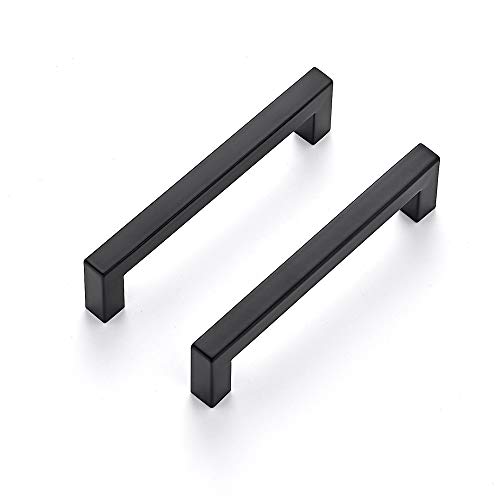
In cases of extreme wear, replacing certain elements is a viable option. Look for replica hardware that matches the style of your beloved piece or consider a modern touch if it fits your new aesthetic.
Once all pieces are clean and polished, attach them back to the structure and ensure they are secured properly. If there are screws, use new ones if the old ones appear rusty or worn.
Finally, ensure that the restored elements harmonize with your newly stained surfaces. This cohesion will enhance the overall appearance and elevate the visual impact of your revitalized piece.
Maintaining Your Newly Stained Pieces
Regular care ensures longevity for my freshly renewed woodwork. I begin by dusting with a soft, lint-free cloth. This prevents dirt build-up and maintains the smoothness of the stained surface.
I apply a specially formulated wood cleaner in a well-ventilated area, using a soft cloth and following the product instructions. This helps to preserve the finish while avoiding damage.
For deeper cleaning, I use a mixture of mild soap and warm water, carefully wiping the surface to avoid excess moisture. Immediately drying with a clean cloth is crucial to prevent water damage.
To further protect against scratches and wear, I consider placing felt pads under objects such as vases or lamps. This simple addition reduces friction and prolongs the beauty of the finish.
Periodic Reapplication of Finish
Every six months to a year, I examine the condition of the finish. Applying a fresh layer of polish or wax can rejuvenate the appearance and create a barrier against potential spills. Always follow product guidelines for the best results.
Avoiding Direct Sunlight and Heat Sources
Keeping items away from direct sunlight and heat sources is essential. I use window treatments to prevent fading and damage from prolonged exposure. When placing near heaters or stoves, I ensure adequate space for airflow.
Ultimately, consistent attention to these maintenance practices keeps my woodwork looking its best, allowing me to enjoy the beauty and functionality of my revitalized items for years to come.