Caleb Turner
Remove all cushions and fabrics; they should be stored indoors in a dry environment to prevent moisture accumulation and mold growth. Placing them in breathable storage bags can further protect them from dust and potential damage.
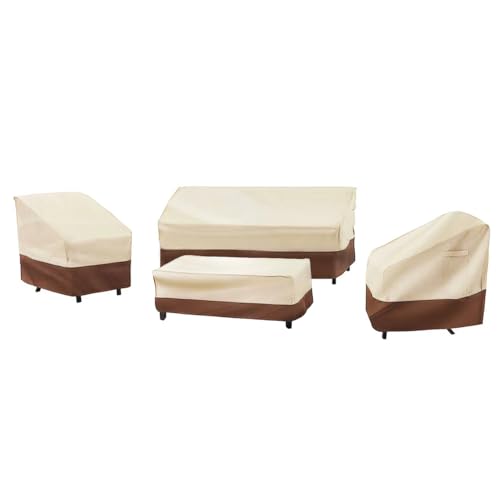
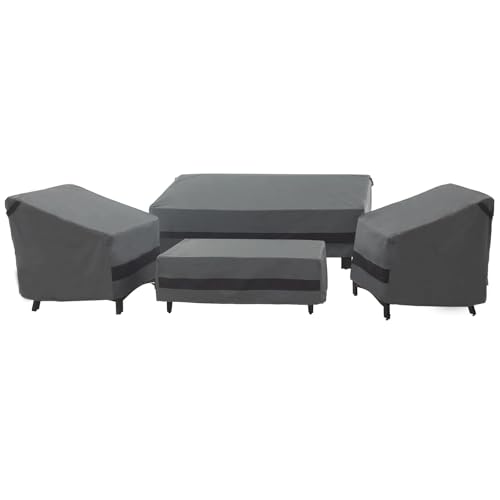
Next, find a suitable location for your woven pieces. Ideally, it should be a sheltered area, such as a garage or shed, where they can be shielded from extreme temperatures and precipitation. If indoor storage isn’t an option, consider using protective covers designed specifically for outdoor seating. When covering, ensure that the furniture is clean and dry to avoid trapping moisture.
For those unable to move their seats indoors, elevating them off the ground can minimize contact with cold surfaces that might lead to deterioration. Place wooden pallets or bricks beneath the legs to enhance airflow underneath. Regularly check on the stored items during the colder months to ensure they remain in good condition and are free from any signs of wear.
How to Protect Wicker Outdoor Seating During Cold Months
I recommend clearing the seating of any debris and dirt before bringing it inside. This step helps prevent any moisture from being trapped, which could lead to mold or mildew.
Once cleaned, I carefully wrap the pieces in tarps or breathable covers to keep them safe from dust and moisture while stored indoors. If indoor space is limited, consider utilizing a shed or garage, but ensure that the location is dry and well-ventilated.


For those who prefer to leave their seating outside, investing in high-quality waterproof covers is a must. I ensure these covers fit snugly to avoid wind from blowing them away, maintaining protection against the elements.
I also elevate the pieces slightly off the ground, using pallets or blocks, to prevent any contact with cold, damp surfaces. This simple step significantly reduces the risk of damage.
Lastly, I periodically check on the stored items throughout the season, ensuring that all protective measures remain intact and the environment remains conducive to their longevity.
Assessing the Condition of Your Rattan Furniture
Begin by inspecting each piece for signs of damage. Look for any cracked or frayed sections, which may compromise the integrity of the weave. Pay attention to the joints and connectors; these areas often require additional scrutiny.
Surface Examination
Examine the surface for any visible mold, mildew, or discoloration. If present, a mixture of mild soap and water can help remove these unwanted marks. Use a soft brush to gently clean the weaves without causing damage.
Structural Integrity
Stability is key. Gently shake each section to check for wobbling or looseness. Tighten any screws or bolts as needed. Ensure that the legs are even and the entire structure is steady. If you notice significant instability, consider professional repair services before storage.
Lastly, if you have cushions or other soft components, inspect them for stains or odor. Wash covers thoroughly and ensure all elements are completely dry before placing them away.
Preparing the Area for Storage
Ensure the selected space is dry and well-ventilated. Dampness can lead to mold growth, damaging your outdoor pieces. Avoid locations close to moisture sources like plumbing or drainage areas.
Ground Surface Considerations
The ground should be flat and stable. Uneven surfaces may cause items to tip or become damaged. If possible, elevate your belongings off the ground using pallets or a platform. This prevents moisture absorption from the soil.
Cleaning the Storage Space
- Clear out dust and debris to provide a clean environment.
- Remove any items that could cause scratching or damage to the surfaces.
- Check for pests and ensure the area is free from insects or rodents.
Setting up a protective covering, such as tarps or blankets, can offer an extra layer against dust and dirt accumulation. Regular checks during the storage period help maintain the integrity of your investment.
Cleaning Rattan Furniture Before Storage
I recommend removing any loose dirt and debris from the surface using a soft brush or a dry cloth. For stubborn stains, a mixture of mild soap and warm water can be effective. Use a soft sponge to gently scrub the affected areas and avoid using abrasive cleaners that could damage the material.
After cleaning, it is important to rinse the furniture thoroughly with clean water to remove any soap residue. Make sure to dry all surfaces completely with a microfiber cloth to prevent moisture from being trapped during storage.
For maintaining the natural shine, consider applying a protective spray suitable for synthetic materials. This helps to seal the surface and offers additional protection against dust and grime.
Any cushions or fabric elements should also be cleaned according to their specific care instructions. Typically, spot cleaning with a damp cloth works well, but ensure they are completely dry before placing them in storage.
| Cleaning Step | Action |
|---|---|
| Remove loose dirt | Use a soft brush or dry cloth |
| Scrub stains | Mild soap and warm water with a soft sponge |
| Rinse | Use clean water to remove soap residue |
| Dry | Wipe with a microfiber cloth |
| Apply protection | Use a suitable protective spray |
| Clean cushions | Spot clean with a damp cloth |
Ensuring that each piece is cleaned and dried will contribute significantly to prolonging its lifespan and maintaining its appearance. Proper care before storage sets the foundation for its readiness when the next season arrives.
Disassembling Furniture for Compact Storage
Take the time to carefully dismantle each piece. This will significantly reduce the space required and help prevent damage during the off-season. Begin by removing any detachable components, such as cushions or legs. Place these small parts in labeled bags to avoid losing them.
Utilize the following guidelines to make the disassembly process straightforward:
| Step | Action | Tips |
|---|---|---|
| 1 | Gather Tools | Have a screwdriver, wrench, and pliers ready. |
| 2 | Remove Cushions | Store in a dry place; consider vacuum-sealing. |
| 3 | Dismantle Frames | Unscrew legs and other removable parts carefully. |
| 4 | Organize Hardware | Use labeled containers for screws and bolts. |
| 5 | Stack Components | Arrange flat pieces to maximize space efficiency. |
Storing Disassembled Pieces
After dismantling, store sections vertically or flat in a designated area. This prevents warping and makes it easier to retrieve when needed. Consider using protective covers to shield from dust and moisture.
Regular Checks
Occasionally inspect the stored items for any signs of wear or moisture accumulation. Keeping an eye on the condition helps address any issues before they escalate, ensuring longevity for future use.
Choosing the Right Storage Location
For optimal protection, I select a cool, dry area free from direct sunlight or dampness. A garage or shed is usually ideal, providing ample space and protection from the elements.
Avoid areas with high humidity, as this can promote mold and mildew growth. If possible, elevate items off the ground using pallets or shelves to maintain airflow.
I also consider the storage’s temperature. Extreme heat or cold can damage materials, so a climate-controlled space is preferable, especially in regions with severe seasonal changes.
Accessibility is another factor. I choose a location where I can easily access my belongings without unnecessary maneuvering. This makes it convenient for regular checks and retrieval.
Lastly, I ensure the chosen site is secure, minimizing risks of theft or damage. A locked garage or well-secured outdoor shed works best to safeguard valuable items.
Covering with Protective Materials
Before the chilly months begin, I always ensure that I have high-quality protective covers to shield my outdoor pieces from moisture, dirt, and debris. Opt for breathable materials like polyester or canvas, which prevent mold and mildew growth while keeping dust at bay.
Choosing the Right Covers
When selecting covers, I pay close attention to size. Each piece should be snugly fitted to avoid wind displacement. Elastic hems or drawstrings provide a secure fit that minimizes the risk of moisture entering the cover.
Securing the Covers
I often use weights or straps to hold the covers in place during stormy weather. A simple solution like placing bricks or sandbags around the base of each covered item can also help keep covers secure. If fabric covers are used, I prefer those with UV protection to prevent fading from sunlight exposure.
Finally, I make regular checks throughout the season to ensure that everything remains in good condition and adequately protected from the elements.
Using Climate-Controlled Storage Options
Consider utilizing climate-controlled units for safeguarding your outdoor seating and tables. These spaces maintain consistent temperatures and humidity levels, preventing mold, mildew, and warping.
Here are some recommendations for selecting the right climate-controlled solution:
- Research reputable facilities that offer climate-controlled storage. Read reviews and check ratings to find a suitable option.
- Visit the storage location to assess cleanliness, security, and environmental controls. Ensure that the temperature is regulated year-round.
- Confirm the humidity levels maintained within the facility; an ideal range is between 30-50% to protect delicate materials.
- Evaluate accessibility. The facility should allow easy access to retrieve items when needed, particularly during favorable seasons.
Packaging is critical when using these specialized units. Utilize breathable covers specifically designed for outdoor pieces, ensuring ventilation while protecting against dust and pests. Line the storage area with pallets or mats to elevate furniture off the ground and promote airflow.
Finally, stay organized by labeling boxes and items. Keep an inventory list, detailing what is stored, to facilitate quick retrieval next season.
Regular Maintenance During Storage
I regularly check the condition of my outdoor decor while in its off-season resting phase. I inspect for any signs of wear or damage, ensuring that any minor issues are addressed before they escalate.
Routine Cleaning
An essential part of upkeep involves periodic cleaning even during storage. I wipe down surfaces with a damp cloth to remove dust accumulation. If necessary, I use a gentle soap solution to eliminate stubborn dirt, ensuring that all residues are rinsed off thoroughly.
Periodic Inspections
I schedule inspections at least once a month. During these assessments, I look for possible signs of moisture accumulation or pest activity, which can lead to long-term damage. Addressing these issues promptly allows me to maintain the integrity of my items.
Reassembling and Inspecting Furniture in Spring
After a seasonal break, I carefully reassemble each piece for use again. I always start by gathering all components that were stored, ensuring to match parts for seamless reconnection.
Steps for Reassembly
- I align pieces according to the original assembly instructions.
- Using the appropriate tools, I securely fasten joints and connections.
- I check for any missing or damaged screws and replace them as needed.
Conducting a Thorough Inspection
Post assembly, I inspect every item meticulously. I focus on the following areas:
- Look for signs of wear or damage on surfaces and structural pieces.
- Check for any discoloration caused by exposure during storage.
- Inspect the woven fibers for fraying or loosening.
- Ensure that cushioning or fabric is clean and intact, replacing or washing as necessary.
I find it essential to address any issues right away to prolong longevity. Establishing a routine inspection schedule helps maintain pristine condition throughout the usage season.