
 Caleb Turner

Begin with protective measures. Wrap each piece with moving blankets or bubble wrap. This guards against scratches, dents, and any potential damage during transport.
Disassemble larger items. Taking apart beds, tables, and shelves will create more space and make it easier to stack. Keep hardware in labeled bags, ensuring everything is organized.


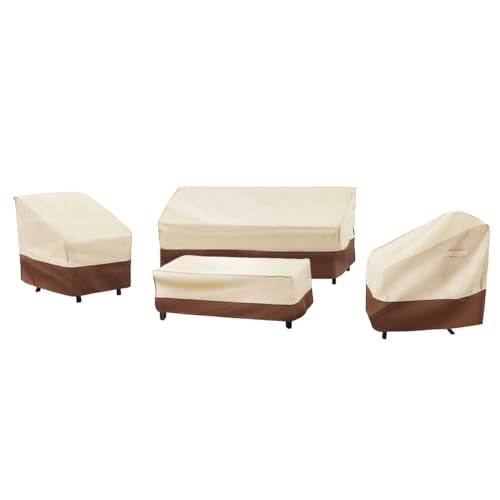
Utilize vertical space. Place heavier items on the bottom and stack lighter, smaller pieces on top. This optimizes space and maintains stability, preventing unnecessary movement during transit.
Fill gaps with smaller boxes or cushioning materials. This prevents shifting and protects against impact. Using clear plastic bins for miscellaneous items makes it simple to locate essentials upon arrival.
Ensure ventilation. Avoid moisture build-up by arranging items to allow air circulation. Avoid covering the entire floor with cardboard, which can trap humidity.
Organizing Items in a Cargo Unit
Prioritize weight distribution. Heavier pieces should rest on the floor and towards the back to maintain balance. This prevents shifting during transport.
Disassemble larger items like beds and tables. Removing legs and other components allows for a more compact arrangement, optimizing space inside the unit.
Utilize protective materials. Wrap delicate surfaces with bubble wrap or moving blankets to guard against scratches and dents. This is crucial for maintaining the integrity of your possessions.
Employ stacking strategies. Place lighter boxes on top of heavier ones, ensuring stability. Create a tiered arrangement that maximizes vertical space without jeopardizing accessibility.
Label all boxes clearly. Using bold markers to denote contents simplifies retrieval and minimizes the risk of opening every box when searching for specific items.
Consider climate control options. If storing for extended periods, protecting against moisture and extreme temperatures can prevent damage, especially for wooden pieces.
Fill gaps with smaller items. Cushions, pillows, and blankets can fit into empty spaces, providing added cushioning and preventing movement within the enclosure.
Access should be a key aspect. Position frequently used items near the door, saving you time and effort when you need to retrieve them.
Regularly check on your stored goods. If feasible, inspect the area periodically to ensure everything remains in good condition, adjusting items as needed to maintain order.
Choosing the Right Size Shipping Container for Your Furniture
Opt for a 20-foot unit if you have small to medium-sized items. This option typically accommodates the belongings of a one to two-bedroom home. To maximize space, place pieces vertically and use padding between them to avoid scratches.
If your collection is extensive or includes large pieces, consider a 40-foot variant. This larger size can hold the contents of a three to four-bedroom residence, allowing for better organization and reducing the likelihood of damage during transit.
Understanding Measurements
Familiarize yourself with dimensions. A standard 20-foot model measures about 19.4 feet long, 7.8 feet wide, and 7.9 feet high. The 40-foot version provides double the length. Ensure you account for the dimensions of your items and leave room for protective wrapping.
Planning for Future Needs
If expansion is likely, select a larger option. Choosing a spacious unit not only facilitates current packing but also allows for added items in the future. Consider potential purchases or changes in your living situation.
Ultimately, the right choice hinges on precise measurements and anticipated needs. Prioritize organization and safety for a seamless experience.
Preparing Your Furniture for Storage in a Container
I recommend disassembling large pieces to save space and prevent damage. Remove legs from tables and detach any removable parts from sofas or beds. Keep screws and small parts in labeled bags or containers to ensure you can reassemble everything later.
Wrap each piece individually with moving blankets or bubble wrap to protect surfaces from scratches and dents. Utilize fabric covers for upholstered items, safeguarding them from dust and potential moisture. Avoid using plastic covers, as they can trap humidity and lead to mold or mildew.
For wooden items, apply a wax or polish before wrapping to help maintain their finish during storage. Ensure that all drawers and doors are secure; use tape if necessary to prevent them from opening during transport.
Place heavier items at the bottom of the stacking arrangement to create a stable base. Distribute weight evenly to maintain balance and avoid crushing lighter objects. Fill any gaps with soft materials like pillows or blankets to minimize movement.
Label all boxes and wrapped items clearly. This helps in identification and organization when retrieving items later. Record an inventory list to track what has been packed and where everything is placed within the storage space.
Optimal Arrangement of Items Inside the Container
To maximize space and protect your belongings, placing larger pieces against the walls is crucial. Start with heavy items, such as sofas or dressers, situating them along the sides to create a stable base.
Utilizing Vertical Space
Stack smaller objects, like chairs or boxes, on top of larger items. This method helps free up ground space. Always ensure that stacked items are secure and won’t shift during transport. Use straps or ropes to keep these items in place, avoiding potential movement.
Creating a Path
Leave a clear path through the middle of the space to access your belongings without hassle. Place frequently accessed items closer to the entrance, ensuring they are easily retrievable. This strategy not only aids in organization but also simplifies unloading.
Protecting Furniture from Moisture and Temperature Changes
Wrap items in plastic wrap or use moisture-resistant covers to guard against humidity. This simple step can make a significant difference in preserving materials from the adverse effects of dampness.
Temperature Control Measures
To stabilize the climate within the enclosure, consider using portable heaters or ventilators. These devices can aid in maintaining a consistent temperature, reducing the risk of warping or cracking.
Humidity Monitoring
Install a humidity monitor inside the enclosure to keep track of moisture levels. Keeping the humidity below 50% can greatly reduce the chances of mold and mildew formation.
| Item | Recommended Protection |
|---|---|
| Wooden pieces | Plastic wrap or cloth covers |
| Upholstered items | Moisture-resistant bags |
| Metal items | Oil or anti-corrosion spray |
Regularly inspect the setup for any signs of moisture accumulation or temperature fluctuations. Taking proactive steps ensures that all belongings remain in optimal condition while stored.
Using Furniture Pads and Wrapping Techniques
To protect items effectively during transit, I recommend using high-quality pads and specialized wrapping methods. These tools are invaluable in minimizing damage.
Choosing the Right Padding
Select pads that are thick enough to absorb shocks. I often opt for:
- Moving blankets: Durable and versatile, ideal for various surfaces.
- Foam padding: Excellent for fragile items.
- Cardboard corners: Great for protecting edges and preventing dents.
Wrapping Techniques for Optimal Protection
Proper wrapping is essential for safeguarding surfaces. Here are my recommended techniques:
- Stretch film: Use this to tightly wrap around individual pieces, ensuring no moisture gets in.
- Bubbles wrap: Cover delicate surfaces with bubble wrap for cushioning. Secure with tape.
- Plastic covers: For items prone to scratches, consider using plastic covers beforehand.
Finally, label each wrapped piece clearly. This helps in identifying items easily during unpacking and allows me to handle them with care. Utilizing these protective measures ensures my belongings remain in excellent condition.
Labeling Boxes and Furniture for Easy Access
To streamline the process, I prioritize labeling every box and item before sealing them. I use a color-coded system to differentiate between categories like kitchenware, clothing, and electronics. Each box receives a large, clear label on multiple sides, so I can quickly identify contents without having to dig through everything.
For larger items, I create tags that include a brief description along with specific instructions, such as which side should face up during handling. Additionally, incorporating QR codes for each label can facilitate digital inventories. I scan the codes to quickly pull up a detailed list of all items within each box, including their respective condition and any special care instructions.
Visibility and Readability
Using bold, easy-to-read fonts ensures that labels remain legible under various lighting conditions. I avoid overly complicated abbreviations; instead, I write full words to minimize confusion. Maintaining durability in labeling materials is key, so waterproof or resistant labels prevent fading and wear during longer storage periods.
Prioritize Accessibility
It’s smart to place frequently used items towards the front of the storage area and clearly label these for quick retrieval. This reduces the hassle of moving multiple boxes just to access essentials. For furniture pieces, I create a master inventory that details their location within the space, allowing me to find any specific item without unnecessary effort.
Creating a Secure Environment for Your Stored Items
To achieve maximum protection for your valuables, I prioritize several key factors that establish a secure atmosphere in the storage unit.
- Ventilation: Ensuring adequate airflow is essential. I strategically position vents or utilize moisture-absorbing materials to prevent mold and mildew.
- Insulation: Insulating the interior walls not only stabilizes temperature fluctuations but also shields the belongings from temperature extremes. I use insulation panels to enhance durability.
- Climate Control: If the option is available, I select climate-controlled units to mitigate humidity and temperature issues. This feature plays a significant role in preserving integrity.
- Security Measures: I always choose a facility with surveillance cameras and gated access. Adding my own high-quality lock provides an additional layer of defense against theft.
- Fire Protection: Using fire-retardant materials for storage is key to minimizing risks. I ensure that flammable items are stored separately or disposed of properly before moving them into the area.
By thoroughly addressing these elements, I establish a safe environment that extends the lifespan of my possessions, ensuring they remain in prime condition during their stay.
Regularly Checking the Condition of Stored Items
Inspecting belongings every few months is crucial for preventing damage. I make a schedule to visit the storage unit, allowing me to observe any changes in the condition of my possessions. During these checks, I look for signs of moisture, pests, or wear caused by shifting during storage.
Using a moisture meter can be beneficial. If humidity levels are high, I consider placing additional desiccants inside or using a dehumidifier. Additionally, I ensure that items remain secure and properly arranged to avoid unnecessary strain on them.
The Importance of Cleaning and Maintenance
Performing a light cleaning each visit helps in maintaining the integrity of my items. Wiping down surfaces with a dry cloth prevents dust accumulation and potential staining. I also check for any scratches or damages, promptly addressing issues with appropriate repairs or protective measures.
Documenting Observations
Keeping a log of each inspection helps track any emerging issues. I note the date, findings, and any actions taken. This practice minimizes the risk of surprise damage and ensures that I can take preventive measures in advance.
Planning for Long-Term Storage Considerations
I recommend analyzing the length of time the items will be kept before needing them again. Understanding this timeframe helps decide on necessary protective measures.
Regular maintenance checks for pests are crucial. I recommend investing in pest control solutions to prevent damage.
Using a climate-controlled option is beneficial. If possible, select a space with regulated temperature and humidity to avoid potential deterioration.
Documenting items with inventory lists can ease future retrieval. This system aids in tracking what has been placed and its condition over time.
Utilizing appropriate materials such as heavy-duty plastic or wood for organization can significantly enhance the integrity of your belongings. I suggest avoiding cardboard, as it can attract moisture and pests.
Consider accessibility when positioning larger items. Place frequently accessed pieces towards the front to minimize disruption during retrieval.
If you’re uncertain about future needs, keeping a flexible mindset regarding what to store can be helpful. Evaluate periodically what remains relevant and what can be sold or discarded.
Maintaining an updated plan regarding insurance options for valuable items provides peace of mind and can save costs in the long run.


