
 Caleb Turner

I suggest folding the coverings neatly to prevent creases and wear. This method helps maintain their appearance and functionality during storage. Aim for a flat fold, minimizing bulk, which allows for efficient use of space.
Next, consider using breathable storage bags. These prevent moisture buildup, which could lead to mold or mildew. I prefer bags made from durable materials that also offer UV protection, ensuring the coverings remain in excellent condition even in adverse conditions.


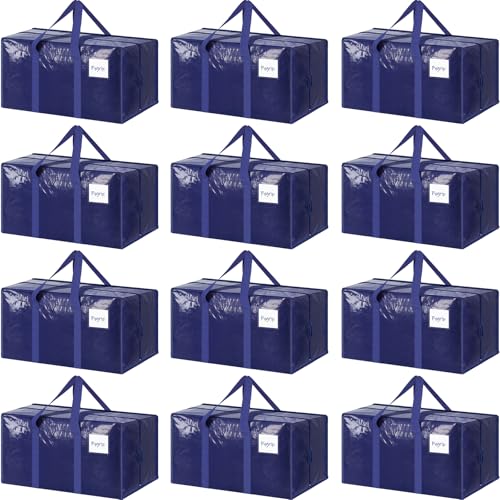
Storing in a cool, dry location is essential. Avoid damp basements or direct sunlight. Opt for a shed or garage with stable temperatures to prolong the lifespan of the materials and colors. A separate shelf or container keeps these items organized and easily accessible when needed.
Regularly inspect the items before putting them away. Look for signs of damage or wear; this proactive approach ensures I address any issues immediately, maintaining the integrity of the coverings. Consider washing them before storage, following manufacturer instructions, to remove dirt and debris.
Storing Outdoor Protection Wraps
Begin by thoroughly cleaning the protective covers before setting them aside. Use mild soap and water to eliminate dirt and debris, followed by complete drying to prevent mold and mildew formation.
Next, fold the covers neatly. I prefer folding them into rectangles, which not only conserves space but also makes them easier to handle when retrieving later. Avoid crumpling or rolling them, as this can lead to creases and potential damage.
I opt for breathable storage bags or bins made of natural materials like cotton or canvas. Plastic containers can trap moisture, so I steer clear of them. If using bins, ensure they have ventilation holes for air circulation.
Label each bag or bin with its contents for quick identification. I find this practice saves time and reduces confusion, especially if I have multiple pieces.
Finally, store the covers in a dry, shaded area, ideally indoors. This protects them from UV rays that can cause fading and deterioration.
Choose the Right Location for Storage
I recommend selecting a dry, cool space for placing protective layers. Ideally, this area should maintain consistent temperature levels to prevent moisture buildup and mold growth. A garage or shed with proper ventilation works well.
Avoid Direct Sunlight
Direct sunlight can lead to fading and deterioration of materials over time. I find that using opaque bags or containers can help shield items from UV rays while in storage. A shaded spot under a porch or patio is also a good option.
Accessibility Matters
Make sure the storage area is easily accessible for regular checking and maintenance. I prefer locations where I can grab these layers quickly, especially during sudden weather changes. Keeping them near outdoor seating areas ensures I can protect everything fast without hassle.
Clean Covers Before Storage
I recommend washing the protective sheets with mild soap and water to remove dirt and grime. Utilize a soft brush or cloth to target any stubborn stains. Avoid using harsh chemicals that could damage the material.
After cleaning, rinse thoroughly to eliminate any soap residue. Allow them to air dry completely in a shaded area, as direct sunlight can lead to fading or weakening of the fabric.
If there are stubborn spots, consider using a solution of vinegar and water for a deeper clean. This method is gentle yet effective and can enhance the longevity of the items.
Before folding for storage, inspect them for any signs of mold or mildew. If found, a mixture of water and white vinegar can neutralize the spores. Ensure all sections are thoroughly dry, as moisture can lead to mold growth during storage.
Use Proper Folding Techniques
I recommend folding each piece carefully to reduce creases and ensure it remains in pristine condition. Start by laying the cover flat on a clean surface. Smooth out any wrinkles before proceeding.
Step-by-Step Folding Guide
Here’s how I fold different types of coverings:
| Type | Folding Method |
|---|---|
| Rectangular | Fold in half lengthwise, then fold the ends towards the center, creating a compact rectangle. |
| Square | Fold diagonally to form a triangle, then fold the two outer corners inward to meet at the top. |
| Round | Start by folding in half, then continue folding into quarters until it resembles a smaller circle. |
Storage Tips Post Folding
After folding, I avoid placing heavy objects on top, which could cause wrinkles. Using breathable bags for protection can be beneficial. Additionally, I always ensure the covers are completely dry to prevent mold growth.
Utilize Storage Containers or Bags
I prefer using dedicated storage containers or bags to keep my protective furnishings safe and organized during off-seasons. These options provide structured protection against dust, debris, and potential moisture. Here are some key points to consider:
- Material Selection: Opt for waterproof or water-resistant materials. Fabrics like heavy-duty polyester or nylon are excellent choices, as they prevent moisture buildup and mildew formation.
- Size Matters: Choose containers that are appropriately sized. Oversized bags can lead to excess air and increased vulnerability to pests, while undersized containers can cause stress to the covers and lead to ripping.
- Ventilation: Look for bags with breathable features. Ventilated storage options allow air circulation, reducing the risk of mold and unpleasant odors accumulating inside.
- Easy Access: I recommend using clear storage containers. This way, I can easily see the contents without having to open every box. Labels are also a great addition for quick identification.
- Stackability: If space is limited, opt for stackable containers. This maximizes vertical space and helps keep my storage area tidy.
By choosing the right containers or bags, I ensure that my protective furnishings remain in excellent condition, ready to use when warmer weather returns.
Avoid Moisture and Humidity in Storage
Ensure that the space for your protective coverings is dry and well-ventilated. A low-humidity environment significantly reduces the risk of mold and mildew.
- Before placing items away, take time to inspect their condition. Look for any moisture or dampness that could lead to long-term damage.
- Consider using silica gel packets in storage containers. These help absorb excess moisture effectively.
- A fan may be strategically placed in the area to promote airflow, especially during the initial months of storage.
- If feasible, use a dehumidifier, particularly in storage spaces prone to high humidity.
Inspect Seasonal Changes
Regular checks during transitional seasons can help maintain a moisture-free environment. Be proactive and watch for any signs of condensation or leaks.
Climate-Controlled Solutions
Utilize spaces like basements or garages that remain cool and dry throughout the year. If available, a climate-controlled unit can provide optimal conditions for preservation.
Label Storage Containers for Easy Access
After organizing protective gear, I make sure to label each container clearly. Using a label maker or permanent markers, I write down the contents of each box. This practice saves me time later when looking for specific items.
For added efficiency, I categorize by type: cushions, tarps, or accessories. Color-coding is another strategy I employ; it makes it visually simple to identify the right container at a glance.
Additionally, I place a brief description of the contents on each label, including dimensions or care instructions if necessary. This detail helps in ensuring I retrieve exactly what I need without rummaging through multiple boxes.
To enhance durability, I use waterproof labels, especially for outdoor containers, ensuring they withstand moisture and remain legible over time. Even if the labels fade, the clear identification remains crucial for my storage process.
Inspect Covers Regularly During Storage
I recommend checking your protective gear periodically, ideally every few weeks. During these inspections, look for signs of wear, such as fraying seams, fading fabric, or any potential damage from pests. Identifying issues early can save you time and money on replacements later.
If moisture collects or if you spot mold or mildew, take action immediately. Wash and dry the affected areas thoroughly before returning them to their designated space. Ensure that your protective layers are still intact and capable of safeguarding your outdoor seating from the elements.
If possible, move your items into a well-ventilated area during inspections to allow for better air circulation. Even a brief period in a more open environment can be beneficial in reducing humidity and preventing potential damage.
Document any findings during your inspections. Maintaining a record of wear and conditions can help you plan for any maintenance needed before the next usage season. This proactive approach ensures longevity and enhances the performance of your protective coverings.
FAQ:
What is the best way to clean patio furniture covers before storing them?
To clean patio furniture covers before storage, start by removing any loose dirt or debris with a soft brush or cloth. Next, wash the covers with a mild soap solution, gently scrubbing any stained areas. You can use a sponge or a soft brush for this. Rinse thoroughly with water to ensure all soap is removed, and allow them to dry completely before folding or rolling them for storage. This helps prevent mildew and odors during storage.
How should I fold my patio furniture covers for efficient storage?
When folding patio furniture covers for storage, first ensure they are clean and dry. Lay the cover flat on a clean surface. Fold it in half lengthwise, aligning the edges. Then, fold it again to make it more compact. If the cover has any padding, you might want to roll it instead of folding to help prevent creases. Store the folded covers in a breathable storage bag or bin to keep them organized and protect them from dust and moisture.
Is it necessary to store patio furniture covers indoors during winter?
Storing patio furniture covers indoors during winter is highly recommended, especially in regions with harsh weather conditions. Indoor storage protects them from extreme cold, ice, and moisture, which can damage the fabric over time. If indoor space is limited, consider covering them with a durable tarp and securely placing them outdoors in a sheltered area, but this would still expose them to the elements. Ensuring they are dry before covering is crucial as moisture can lead to mildew.
Can I use a vacuum sealer to store patio furniture covers?
Yes, using a vacuum sealer can be a practical option for storing patio furniture covers. It significantly reduces the space they take up and helps protect them from moisture and pests. Before sealing, make sure the covers are completely clean and dry to avoid trapping moisture inside. Be mindful of the material; some fabrics may not react well to vacuum sealing, so always check the manufacturer’s recommendations. After sealing, store the bags in a cool, dry place.


