
 Caleb Turner
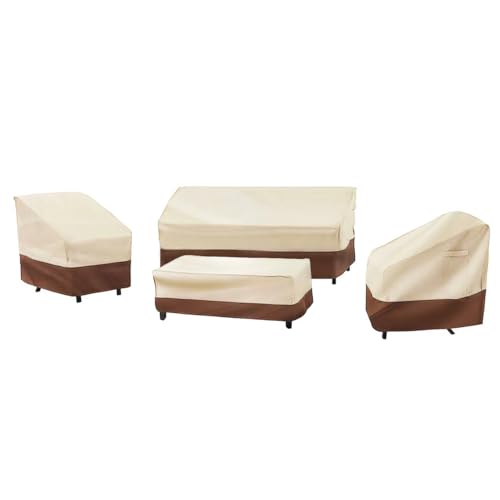
Wrap each piece with breathable covers to shield them from moisture and cold air. This step prevents damage and retains their quality over time.
Before sealing away your items, clean them thoroughly to remove dirt and grime. Use a mild soap solution and a soft brush, ensuring no residue is left behind. Dry them completely to avoid mold growth.

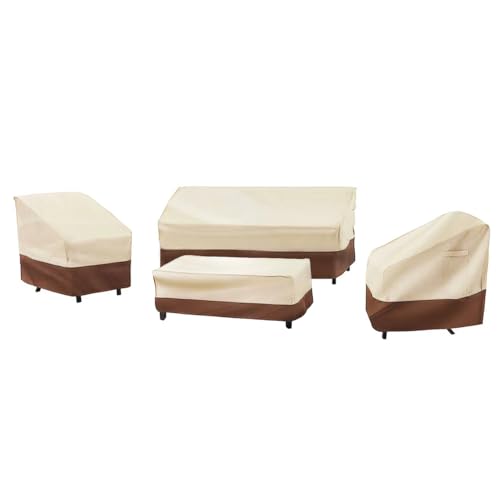
Store cushions and textiles indoors, preferably in a climate-controlled space, to protect against dampness. This not only extends their lifespan but also keeps them fresh for the next warm season.
If you have the space, stack lighter pieces on top of heavier ones to optimize storage. For larger items, consider a dedicated space in your garage or shed, ideally off the ground to avoid moisture contact.
Regularly check on stored items throughout the colder months to ensure no unexpected issues arise. Taking these precautions pays off when the spring sunshine beckons.
Storing Outdoor Seating and Accessories
First, clean each piece thoroughly. I use a mixture of mild soap and water to remove dirt and grime, followed by a rinse with clean water. This prevents stains and mildew during the cold months.

Next, dry everything completely to avoid moisture buildup. I often leave the items outside on a sunny day before bringing them indoors. This step is crucial for preserving the integrity of the materials.
Proper Wrapping Techniques
I wrap cushions and fabric items in breathable covers or storage bags. This keeps them safe from dust and pests. Avoid plastic as it can trap moisture. For wooden pieces, I apply a protective sealant to shield against humidity damage.
Organizing Storage Space
If possible, I place metal items indoors, as this prevents rust. For larger constructions, I use outdoor storage boxes. These containers can keep everything organized and safe against the elements.
Assessing Your Furniture Materials
Determine the composition of your pieces to ensure proper protection. Different materials require specific maintenance techniques during the colder months.
Wooden Structures
- Inspect for cracks or damage. Treat with a wood preservative to prevent moisture absorption.
- Cover with breathable fabric to avert mold and mildew while allowing air circulation.
Metal Elements
- Check for rust spots. Clean and apply rust-inhibiting paint for long-lasting durability.
- Wrap with tarps or heavy-duty covers to shield against snow and ice.
Plastic and Resin Pieces
- Wash thoroughly to remove dirt and debris. Avoid using abrasive cleaners as they may scratch the surface.
- Store in a dry area with minimal temperature fluctuations to prevent cracking.
Taking these steps for each type of material enhances longevity and prevents damage throughout harsher conditions.
Cleaning and Preparing Items for Storage
Begin with a thorough clean using mild soap and water. Ensure to scrub all surfaces, paying close attention to crevices and joints where dirt and grime accumulate. Rinse with fresh water to eliminate any soap residue, which can cause damage over time.
For wood pieces, sand lightly and apply a suitable outdoor-grade sealer or protective finish. This prevents moisture from penetrating the grain. Metal components should receive a rust-inhibiting primer followed by a durable paint if needed, ensuring longevity and protection against the elements.
After cleaning, allow everything to dry completely. Moisture can lead to mold and mildew, even in storage. Utilize breathable covers specifically designed for protection, avoiding plastic which can trap moisture.
Check all mechanical parts, such as hinges or reclining mechanisms. Lubricate these areas to maintain functionality and prevent rusting during the off-season. Replace any damaged hardware to ensure every piece remains in optimal condition.
Finally, group similar items together in a designated area, organizing them to facilitate easier access when the time comes to bring them back out. This method also aids in keeping everything orderly and reduces the risk of wear from unnecessary movement during the storage period.
Choosing the Right Storage Location
Identify a dry, shaded area that keeps moisture and direct sunlight at bay. A garage, shed, or basement offers good protection against harsh elements.
Ensure that the chosen location is well-ventilated, as proper air circulation prevents mold and mildew growth. Avoid areas that may accumulate condensation, like directly on concrete floors.
Consider accessibility; I prefer a spot where I can easily retrieve items when needed. A corner of the garage or a dedicated storage unit works well for me.
- Choose elevated surfaces (shelves or pallets) to keep items off the ground.
- Avoid attics due to extreme temperature fluctuations.
- Protect against pests by sealing gaps and using containers.
Evaluate the surrounding environment; keep stored items away from any potential sources of damage, such as heavy machinery or equipment in use. Monitor the storage area to ensure changes in temperature or humidity do not affect the stored items.
Using Protective Covers for Outdoor Furniture
Investing in high-quality protective covers is a straightforward tactic I utilize to shield my outdoor seating and tables from harsh winter conditions. These covers help prevent moisture accumulation, dirt, and deter pests. I prioritize covers made from breathable, waterproof materials to ensure that air circulation is maintained while keeping precipitation at bay.
Choosing the Right Material
I ensure that the material of the covers I select is durable and can withstand low temperatures without cracking. Polyester and vinyl are excellent options. Additionally, I look for UV-resistant fabrics to minimize sun damage when spring returns. Ensuring a snug fit is crucial to reducing flapping in windy conditions, so I often opt for adjustable straps or elastic hems.
Maintenance of Protective Covers
Regular maintenance extends the life of the covers. I clean them according to the manufacturer’s instructions, typically with mild soap and water, and ensure they are completely dry before storage. This practice prevents mold and mildew development. Inspecting for damage at the end of each season allows me to address any wear before it compromises their effectiveness.
| Cover Material | Benefits |
|---|---|
| Polyester | Water-resistant, UV protection, durable |
| Vinyl | Waterproof, easy to clean, strong |
| Canvas | Breathable, eco-friendly, durable |
Disassembling Furniture to Save Space
Begin by examining the pieces available. Detaching sections such as legs from tables and separating chairs can significantly reduce the overall dimensions. Use a simple toolkit to aid in the process; a screwdriver and wrench are generally sufficient. Store all screws and bolts in labeled bags to prevent loss.
Inspect Before Disassembly
Ensure that the items are clean and dry prior to taking them apart. Any moisture may lead to mold while being kept. Check for wear and tear; repairing any issues before disassembly can simplify storage. If I’m dealing with modular units, I take detailed notes or photographs to remind myself of reassembly.
Storing Disassembled Components
Place disassembled parts in an organized manner. Consider stacking smaller components within larger ones to optimize the use of available space. Use shelving or bins for easier access. Bubble wrap or soft cloths can protect surfaces from scratches. Label boxes clearly, indicating contents and any relevant assembly instructions. This promotes efficiency and simplicity when retrieval is necessary.
Storing Cushions and Textiles Properly
First, I ensure that all cushions and textiles are clean and dry. Any moisture can lead to mildew. I wash removable covers according to the manufacturer’s instructions using mild detergent. For non-removable fabrics, a vacuum with an upholstery attachment removes dust and debris.
Next, I wrap cushions in breathable fabric storage bags or cotton sheets. This prevents dust accumulation while allowing airflow, minimizing moisture retention. I avoid plastic bags, as they can trap humidity and promote mold growth.
I stack the cushions flat rather than standing them on end to prevent deformations. If I have larger cushions, I place them in a cool, dry area, ideally on shelves to keep them off the ground, promoting airflow.
For textiles like throws and blankets, I fold them neatly and store them in airtight containers. Adding silica gel packets can help absorb any residual moisture and keep them dry throughout the colder months.
Finally, I periodically check on the stored items to ensure they remain dry and in good condition, allowing for timely action if I notice any issues.
Preventing Pest Infestations During Storage
I recommend cleaning thoroughly to eliminate food residues and organic materials that attract insects and rodents. Focus on the following actions:
- Use a vacuum to remove crumbs and debris from crevices and seams.
- Wash textile items and allow them to dry completely before storing.
Seal all gaps and holes in your storage area to deter entry. Use caulk or weather stripping as needed.
Consider using airtight containers for smaller items and accessories. This helps prevent pests from accessing them.
Incorporate natural repellents, such as cedar chips or essential oils like peppermint, in your storage area to discourage unwanted critters.
Position traps around the perimeter to monitor for any rodent activity, enabling early detection if they do appear.
Regularly inspect your belongings during storage periods. Being vigilant can help catch any infestations before they escalate.
Finally, ensure that the storage area is dry and well-ventilated, as damp environments are conducive to mold and pest attraction.
Monitoring Temperature and Humidity Levels
To ensure optimal conditions during the off-season, I constantly check temperature and humidity levels. This prevents damage caused by excessive moisture or extreme cold.
Installed sensors or traditional hygrometers and thermometers in the storage area enable precise monitoring. Ideal humidity ranges are typically between 30% and 50%, while temperatures should remain above freezing to protect materials.
If the storage environment exceeds recommended levels, I use dehumidifiers or heaters as necessary. It’s essential to regularly review these measurements to adapt quickly to any unforeseen changes.
By maintaining appropriate climate conditions, I significantly reduce the risk of deterioration, warping, or mold development in my possessions.
| Condition | Recommended Range | Potential Risks |
|---|---|---|
| Temperature | Above 32°F (0°C) | Freezing, cracking |
| Humidity | 30%-50% | Mold, mildew |
Consistent monitoring establishes a protective shield against the seasonal challenges, ensuring the longevity and integrity of my items.