
 Caleb Turner
To keep cushions in place on seating, I recommend using a blend of velcro strips and non-slip surfaces. This combination provides a strong grip while allowing for easy removal when needed.
Begin by measuring the area where the seating is situated. Choose velcro that’s designed for heavy-duty use; apply one side to the underside of each cushion and the other to the seating area. This simple yet effective method ensures the cushions won’t shift during use.


Additionally, consider placing non-slip mats between the cushions and your seating. These mats not only enhance grip but also help to protect the seating from wear and tear. This dual approach provides both stability and longevity, enhancing your outdoor relaxation experience.
Attaching Upholstery to Garden Seating
Using Velcro strips is one effective method for ensuring upholstery stays in place. I recommend choosing heavy-duty Velcro for this purpose. Begin by measuring the surface area where the upholstery will rest. Cut the Velcro to the appropriate length, adhering one side to the cushion and the corresponding side to the seating surface. This ensures a snug fit that withstands wind and regular use.
Alternatives to Velcro
Consider utilizing non-slip mats. These mats can be placed beneath the cushions to prevent any sliding. Look for varieties designed specifically for external conditions to enhance durability. Placing these mats directly under the upholstery creates a stable base without altering the appearance.
Adhesive Options
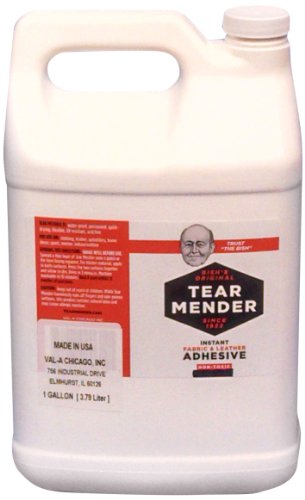
For a more permanent solution, outdoor fabric adhesive is available. This type of glue is formulated to resist weather elements. Apply a thin layer on the seating area, then position the cushion on top, applying pressure to ensure adhesion. Allow the adhesive to cure as per the manufacturer’s instructions before use.
| Method | Pros | Cons |
|---|---|---|
| Velcro Strips | Easy to apply; removable | May wear out over time |
| Non-Slip Mats | No adhesive mess; repositionable | Can be visible |
| Outdoor Fabric Adhesive | Strong bond; weather resistant | Permanently attached; messy |
Each method offers distinct advantages depending on your long-term plans for the seats. Experimentation with these options will help find what best suits your situation.
Choosing the Right Adhesive for Outdoor Use
For reliable attachment in external settings, polyurethane-based adhesives are my top choice. They bond well with diverse materials, resist moisture, and withstand temperature fluctuations.
Types of Adhesives
- Polyurethane Adhesives: These are waterproof and offer strong bonding for various surfaces, perfect for rainy conditions.
- Silicone Adhesives: Excellent for flexibility, they tolerate UV exposure and are often used in scenarios that require movement.
- Acrylic Adhesives: Known for clarity and flexibility, suitable for situations needing transparent finishes.
Application Tips
- Ensure surfaces are clean and dry for optimal adherence.
- Apply the adhesive evenly to avoid weak spots.
- Follow the manufacturer’s instructions for curing times to achieve the best results.
Selecting the right substance dramatically improves longevity and performance in external environments. Prioritize resistance to elements to maintain durability over time.
Preparing the Surface of Your Arrangement
Clean the area thoroughly before applying any adhesive. Use a mixture of warm water and mild detergent to remove dirt, dust, or grease from the surface. Rinse with clean water and let it dry completely.
Surface Types and Preparation
Different materials require specific approaches:
| Material | Preparation Method |
|---|---|
| Wood | Sand lightly to create a rough texture; wipe with a damp cloth. |
| Metal | Clean with mineral spirits; ensure it’s free of rust. |
| Plastic | Wash with soap; use fine grit sandpaper for added grip. |
| Fabric | Ensure it’s dry; avoid residues from cleaning agents. |
Final Steps
After the surface is clean and prepared, evaluate for any imperfections. Fill in gaps or holes to ensure a level area for bonding. This attention to detail will enhance overall adhesion.
Measuring and Cutting Cushions to Fit
Accurate measurements are key for a perfect fit. I measure the area where I want to place the padding using a flexible measuring tape. I start from one end and carefully note down the width and length. It’s crucial to measure at multiple points, especially if the surface isn’t perfectly straight; I check both height and depth for any curves or irregularities.
Once I have the measurements, I transfer them to my foam or fabric. I mark the cutting lines clearly with a fabric marker or chalk, ensuring that the marks are straight. I like to use a straight edge or ruler to create precise lines and avoid angles that could lead to excess material left over.
For cutting, sharp tools make a significant difference. I prefer using a utility knife or fabric scissors for a clean edge. If working with thicker foam, I opt for a serrated knife, which provides a smooth cut without tearing the material. Slow, steady motions prevent jagged edges.
After cutting the padding, I always test the fit. I place the newly cut pieces against the intended surface, checking for gaps or areas that need minor adjustments. In cases where slight modifications are necessary, I carefully trim the edges for a snug fit.
- Use a flexible measuring tape for accuracy.
- Check measurements at various points for irregular surfaces.
- Mark cutting lines clearly for precision.
- Choose the right cutting tool based on material thickness.
- Test the fit before finalizing the shape.
Using Non-Slip Pads for Added Stability
To enhance grip and prevent sliding, I recommend placing non-slip pads beneath each seat accessory. These pads come in various materials, like rubber or silicone, and provide excellent traction on surfaces. When choosing non-slip pads, consider ones with adhesive backing for extra security. Just clean the area where you’ll apply them to ensure maximum adherence.
Before positioning the pads, measure their size according to the dimensions of your seat. A larger surface area generally translates to better stability. After placing the pads, periodically check their condition and replace them if you notice wear or loss of grip. Regular maintenance of these pads will ensure continued effectiveness and safety.
For a more permanent solution, consider using pads that can be fixed with screws or bolts. This approach might require slight modifications to your seats, but it offers unmatched security. Always ensure that the pads are weather-resistant if they’ll be exposed to rain or humidity.
Applying Velcro Strips for Easy Removal
I recommend using Velcro strips for a straightforward attachment method that allows quick removal when needed. Begin by selecting heavy-duty Velcro products designed for outdoor exposure. Look for options with a strong adhesive backing to ensure durability.
Clean the areas of the seating you plan to apply the Velcro to; a simple mixture of mild soap and water provides an effective solution. Ensure the surfaces are dry before application.
Cut the Velcro strips into appropriate lengths, making sure they align with the edges of the seating elements for maximum grip. Attach one side of each strip to the designated surface with firm pressure, ensuring there are no air bubbles. After a few minutes for the adhesive to set, attach the corresponding side of the Velcro to the underside of the fabric covers.
This method enables effortless removal and reattachment, making it convenient to clean the materials or store them when not in use. Regularly check the integrity of the adhesive if left exposed to the elements, and replace the Velcro if you notice a decrease in stickiness.
Utilizing Hook and Loop Fasteners for Strong Hold
To achieve a reliable attachment of soft pads to seating surfaces, I recommend using hook and loop fasteners. These versatile strips provide a strong bond while allowing for easy removal when needed.
Steps for Application
- Select high-quality hook and loop strips that have strong adhesion properties.
- Clean the surfaces thoroughly to ensure maximum adhesion.
- Cut the fasteners into appropriate lengths for your specific seating area.
- Attach the hook side to the bottom of the soft pads.
- Place the loop side onto the designated area of the seat.
- Press firmly to secure the bond.
Maintenance Tips
- Periodically check the adhesion to ensure the fasteners remain effective.
- Clean the strips occasionally to prevent dirt buildup, which may weaken the bond.
- Replace any worn strips to maintain a secure attachment.
By implementing hook and loop fasteners correctly, I found it easy to keep soft padding in place, enhancing comfort without sacrificing mobility when repositioning.
Testing Different Adhesive Methods on Fabrics
I recommend experimenting with various adhesives to discover which ones provide the best bond for textile materials. Start with an industrial-strength fabric glue. Apply a small amount to a spare piece of your fabric and press it against wood or metal. Allow it to cure according to the manufacturer’s instructions. After testing the bond strength, attempt to pull the materials apart. If it remains secure, it’s a solid option.
Next, consider spray adhesives. These are advantageous for larger areas and allow for even distribution. However, they can be trickier, as overspray may affect nearby surfaces. Always apply in a well-ventilated area. Test on similar fabrics first to assess adhesion quality and any potential damage.
For a temporary solution, double-sided tape can be effective. Ensure the adhesive is strong enough to hold the textile in place but easy to remove without leaving residue. This method is perfect for removable applications, making it convenient for changing seasonal designs.
Lastly, iron-on adhesive strips are another option. These can create a lasting bond by activating with heat. Carefully follow the instructions, and conduct a small patch test to confirm compatibility with your fabric, avoiding any unwanted melting or discoloration.
Remember to evaluate these methods based on the specific types of materials you are using and the environmental conditions they’ll be exposed to, as factors like humidity and temperature can influence performance.
Cleaning and Maintaining Cushions During Use
I regularly clean the removable covers of my seat pads to combat dirt and stains. Using a mild detergent mixed with warm water works well for this task. I make sure to follow the manufacturer’s care instructions regarding washing, particularly in terms of temperature settings and drying methods.
Spot Cleaning for Quick Fixes
For immediate spills or stains, I use a cloth dampened with a mild cleaning solution to blot the area. This method prevents the stain from setting and allows me to maintain the appearance of the upholstery. Regular spot cleaning keeps my seating surfaces looking fresh.
Storing Cushions During Inclement Weather
Proper storage during adverse weather is essential. I invest in waterproof bags or bins to protect my cushions when they’re not in use. This measure reduces the risk of mold or mildew, ensuring the longevity of my beloved seating accessories.
Replacing Cushions: Best Practices for Longevity
Choose high-quality materials for replacement items to ensure durability. Look for fabric that is water-resistant and UV-protected to prevent fading and deterioration from sun exposure.
Opt for foam with good density. Denser foam provides better support and retains shape longer. Aim for at least 1.5 to 2 inches in thickness for optimal comfort.
Consider using replacement items with removable covers. This feature allows for easier cleaning and maintenance, extending their lifespan significantly. Wash covers regularly according to fabric care guidelines.
Secure replacement items using straps or ties that match the new design. These can help prevent movement while in use without compromising on style.
Store items indoors during adverse weather. If that’s not feasible, cover them with a waterproof tarp to shield against rain and snow.
Perform periodic checks for wear and tear. Early detection of any issues can help prevent further damage and reduce replacement costs.
Lastly, experiment with different color combinations and textures. This not only refreshes the look but also can be adjusted based on wear, minimizing the need for frequent replacements.


