
 Caleb Turner

The choice of an appropriate hue is paramount; I suggest picking a shade that complements both the grain and the surrounding decor. Test several options on a concealed section to see how they react with the surface. This helps ensure that the final result aligns with your vision before moving on to the exposed areas.
Preparation is the foundation of success. Begin by sanding the pieces with progressively finer grits, starting from a coarse 80 and finishing with a 220 grit. This process not only smooths the surface but also opens up the fibers, allowing for optimal penetration of the coloring agent.
Once the surfaces are prepped, clean them thoroughly to remove dust and debris. A simple damp cloth will suffice, but ensure the pieces are completely dry before applying any products. Consider using a high-quality brush or cloth for application, following the grain for an even finish. Pay attention to edges and corners to avoid unsightly streaks.
As the color sets, it’s advisable to monitor the drying time indicated on the container. After the first coat, assess whether a second application is necessary to enhance the richness of the texture. Lastly, a protective topcoat will seal in the finish and add durability, allowing your creations to withstand daily use while showcasing their natural beauty.
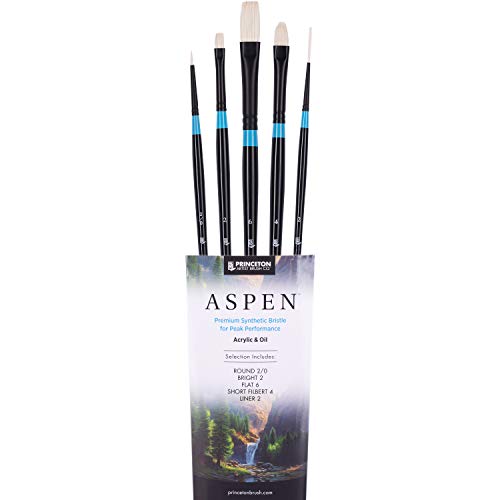
Staining Techniques for Untreated Timber Pieces
To achieve an even finish on untreated surfaces, I begin with thorough sanding using 120-grit sandpaper, progressing to 220-grit for a smooth texture. This process opens up the fibers, allowing the coloring agent to penetrate more deeply.

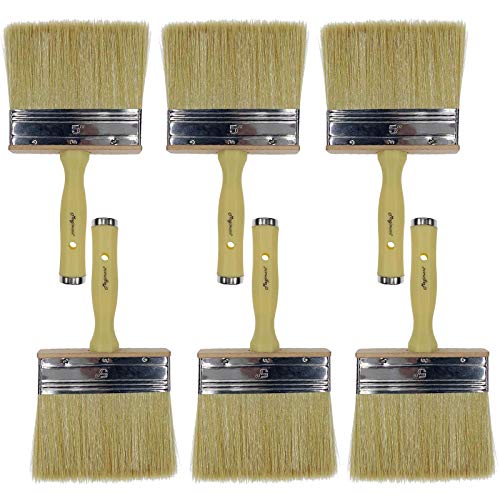
Selecting the Right Pigment
I always choose dye or gel stains based on the desired outcome. Dye offers vibrant colors and deep penetration, while gel provides a more controlled application. Testing on a concealed section ensures the chosen hue meets my expectations.
<h3.Application Process
<p.I apply the selected product with a high-quality brush or clean cloth, working in the direction of the grain. I ensure an even coat, wiping off excess with a clean cloth to avoid pooling. After allowing the finish to dry according to the manufacturer’s instructions, I lightly sand the surface with 320-grit paper before applying a second coat for richness in color.
Selecting the Right Wood Stain for Your Project
I recommend considering the type of finish desired before making a selection. Different products can yield varied aesthetics, from clear and natural appearances to rich, dark tones.
- Oil-Based vs. Water-Based:
- Oil-based options penetrate deeply, enhancing grain visibility and providing a durable finish.
- Water-based varieties dry quickly and emit fewer fumes, making them a safer choice for indoor usage.
- Color Chart: Explore manufacturer color charts to visualize how hues will look on your piece. Test samples on similar scraps if possible.
- Transparency Levels: Ranging from transparent to opaque, transparency affects how much of the natural texture shines through. Determine how much of the grain you want to showcase.
Mixing stains to achieve a custom shade is an option worth exploring. A small test area can help avoid mistakes on larger surfaces.
Evaluate the sheen level as well. Finishes can be glossy, satin, or matte; this choice impacts the final appearance significantly.
Check for compatibility with other products, particularly seals and topcoats you may plan to use afterward. Using products from the same line often ensures better results.
Finally, consider the intended environment for the item. Outdoor items require UV protection, while indoor pieces might prioritize scratch resistance.
Preparing Wood Surface for Staining
I ensure the surface is clean and free from any debris by using a soft cloth or a vacuum to eliminate dust and dirt. Next, I assess the grain; sanding with progressively finer grits helps achieve a smooth finish, starting from 80-grit down to 220-grit. After sanding, I lightly wipe the surface again to remove any residual particles.
If I encounter knots or imperfections, I apply a suitable wood filler and allow it to dry fully before sanding down the area to ensure a seamless appearance. I check for any remaining rough patches or irregularities by running my hand over the surface. A light sanding with a 220-grit paper at this stage can make a significant difference.
I make it a point to work in a well-ventilated area and consider using a pre-stain conditioner, especially with softer species. This step promotes even absorption, preventing blotchiness. After applying the conditioner, following the manufacturer’s instructions, I allow sufficient drying time before proceeding.
To finish, I use a tack cloth or a damp rag to wipe the surface one more time to capture any dust particles that may have settled during the preparation. This meticulous approach ensures a solid foundation, ready for the application of the chosen hue.
Tools Needed for Staining Wood Furniture
To achieve a well-finished appearance on your pieces, gather these essential tools before you start:
Application Tools
| Tool | Description |
|---|---|
| Brush | A high-quality natural bristle or foam brush allows for smooth application and blending in hard-to-reach areas. |
| Cloth | A lint-free cloth or rag helps to wipe off excess product, preventing uneven spots. |
| Sprayer | For larger pieces, an HVLP (High Volume Low Pressure) spray gun can provide an even coat. |
Preparation & Safety Tools
| Tool | Description |
|---|---|
| Sandpaper | Select various grits (like 120, 240) for smoothing surfaces before treatment. |
| Dust Mask | Wearing a dust mask protects lungs from fine particles. |
| Gloves | Use disposable gloves to keep hands clean and protect skin from chemicals. |
These tools are pivotal for the preparation, application, and finishing processes, ensuring a successful outcome for your project.
Applying Wood Stain Evenly
To achieve a uniform finish, I always apply the color with a high-quality brush or foam applicator. I start at one end and work my way across, keeping a wet edge to prevent visible lines or streaks. This technique ensures a consistent layer across the surface.
Technique for Application
I prefer using long, even strokes, following the grain direction. This practice enhances absorption and creates an appealing appearance. If I notice excess pigment pooling in corners or edges, I quickly redistribute it to maintain balance. For larger surfaces, I divide the area into manageable sections to avoid any overlapping issues.
Layering for Depth
Applying multiple thin coats rather than one heavy layer always results in a deeper hue without compromising detail. I wait for the initial coat to dry completely before adding the next, checking the manufacturer’s recommendations for drying times. This not only develops a richer color but also allows me to adjust saturation by adding or skipping layers as needed.
Understanding Stain Absorption and Application Techniques
One key aspect to consider is the absorption capacity of different timber types. Dense species like oak hold finishes differently than softer types such as pine. Before beginning the process, I evaluate the grain pattern and density, as these factors influence the final appearance.
Testing on Scrap Pieces
Before applying anything to the main piece, I recommend testing on a scrap section or offcut. This practice allows me to see how the surface responds to the finish, ensuring the color is as desired and the texture aligns with my expectations.
Application Methods
For an even application, I opt for either a brush or a lint-free cloth. Using a brush allows me to work the product into the grain, while a cloth can offer a smoother, less streaky finish. Whichever method I choose, I make sure to follow the wood’s grain direction to prevent unsightly marks.
Timing is crucial; once I’ve applied the finish, I let it penetrate for the time specified by the manufacturer. Excess application can lead to a blotchy look, so I wipe away any surplus to maintain uniformity. After the first coat dries, I lightly sand the surface with fine-grit sandpaper to prepare for subsequent layers.
Lastly, I always keep the environment in mind. Temperature and humidity can significantly affect drying times and absorption rates, so I ensure that I work in a controlled setting to achieve the best possible results.
Choosing Between Wipe-On and Spray Stain Methods
For achieving a smooth finish, I often lean towards the wipe-on technique. This method allows greater control, letting me evenly distribute the formula and remove excess easily. A lint-free cloth is my go-to tool, ensuring a streak-free application.
Spray application shines when working on larger surfaces or intricate details. With a spray can or a sprayer, I can cover areas quickly, reaching corners and crevices effectively. Keeping a steady distance between the nozzle and the surface is vital to avoid drips, so I practice proper technique by moving in smooth, sweeping motions.
Both methods have their appeals. While wipe-on offers precision and less overspray, spray is efficient for big projects. My choice often depends on the specific project requirements, but I value the finish quality achieved through either method as long as I maintain proper technique. Selecting the right approach for the task at hand can truly elevate the overall look of my piece.
Testing Stain Colors on Scrap Wood
To achieve the desired hue for your project, I recommend using offcuts or leftover pieces for trials. This approach provides a clearer understanding of how each color interacts with the specific grain of the timber.
Begin by cutting your scrap pieces to similar dimensions as the furniture. Make sure to sand them down to the same finish you plan to apply to the main structure. Clean the surface to remove any dust or debris, ensuring a smooth testing ground.
Apply various shades of color, keeping each test limited to one area of the sample. Use a brush or cloth, mirroring your chosen application technique. Allow adequate drying time between applications, as hues can change significantly once dry.
After drying, assess the results in different lighting conditions. Natural light may highlight tones differently compared to artificial sources. Take notes of your observations during this process, including how each color enhances the grain and overall appearance.
Once satisfied with a particular shade, proceed to color application on your primary piece. Maintaining consistency in application techniques will ensure that the finished look aligns with your initial tests.
Sealing and Protecting Stained Wood Furniture
Applying a protective finish is critical after tinting. I recommend using polyurethane, lacquer, or varnish depending on the desired look and level of durability. Polyurethane is ideal for high-traffic areas as it provides a robust barrier against scratches and moisture.
Follow these steps for optimal results:
- Choose the Right Finish: Select a finish that aligns with the aesthetic you wish to achieve. Matte finishes offer a soft look, while glossy options enhance color vibrancy.
- Prepare for Application: Ensure the surface is clean and free from dust. Lightly sand the stained area with fine-grit sandpaper for better adhesion. Wipe down with a tack cloth.
- Application Technique: Use a high-quality brush or foam applicator. Apply the finish in thin, even coats, moving in the direction of the grain.
- Drying Time: Allow adequate drying time between coats as specified on the product label. Typically, a minimum of 2-4 hours is recommended. For maximum protection, apply at least two to three coats.
- Final Sanding: Lightly sand between coats with fine sandpaper or a sanding sponge to eliminate any imperfections.
Once the final coat is dry, your piece will be ready for use. This process will enhance longevity and preserve the beauty of your project. Reapply every few years or as needed, especially if the item is used frequently or exposed to moisture. Regular maintenance will significantly extend its life and preserve its appearance.


