Caleb Turner

To refresh the appearance of natural woven items, meticulous preparation is key. Begin by ensuring the surfaces are clean and free from dust or debris. A damp cloth works wonders for this task, but avoid soaking the material, as excessive moisture can cause damage.
For the next phase, I recommend selecting a high-quality dye specifically formulated for organic textures. Prior to application, test the color on a small, inconspicuous section to ascertain compatibility and desired results. This preliminary step can save potential disappointment later.
When you’re ready to apply the dye, use a soft brush or cloth, applying the product evenly and gently to prevent any streaks or blotches. Allow ample drying time between coats if multiple layers are desired, ensuring that each application adheres properly to the natural fibers. Proper ventilation is crucial during this stage; I often work near an open window to facilitate airflow.
Lastly, once the final coat has dried to perfection, finish with a protective sealant designed for organic materials. This not only enhances durability but also adds a subtle sheen to the finish. By following these steps, your woven pieces can regain their charm while retaining their unique character.


Preparing the Surface
I first ensure the item is clean and dust-free. A soft brush or cloth helps remove dirt and debris from the woven fibers. If necessary, I use a damp cloth to wipe down the surface and allow it to dry completely. This step is crucial for ensuring the finish adheres properly.
Choosing the Right Product
Selecting a product compatible with natural fibers is vital. I opt for water-based options due to their flexibility and low odor. I tend to experiment with different shades, testing a small inconspicuous area to confirm my desired look before proceeding with the entire piece.
Application Technique
<p using a soft brush or cloth, I apply the chosen product evenly, ensuring I don’t saturate the material. Light strokes help avoid drips while allowing the color to penetrate the fibers. After application, I wait for the finish to dry before assessing if a second coat is needed to achieve the depth I am aiming for.
Choosing the Right Stain for Seagrass
Opt for water-based products. They penetrate fibers effectively and minimize odor during application.
- Consider transparency levels:
- Transparent stains enhance the natural texture.
- Semi-transparent options provide color while still revealing the underlying patterns.
- Select colors that complement your space:
- Light hues brighten and open up a room.
- Darker shades add depth and sophistication.
- Ensure UV protection:
- Look for products that explicitly mention UV inhibitors to minimize fading over time.
Check for non-toxic formulations, especially if children or pets are present. These options are safer and often just as durable.
Read reviews and test a small area before full application. This allows you to see the resulting color and finish in the actual environment.
Preparing Your Natural Fiber Seating for Color Treatment
Thoroughly clean the surface with a soft brush or vacuum to remove dust and debris. This step is crucial to ensure uniform application.
For any stains or marks, gently wipe them using a damp cloth. Avoid soaking the material, as excessive moisture can damage its integrity.
Sand the Surface
Using fine-grit sandpaper, lightly sand areas that may feel rough or uneven. This will aid in better absorption of color treatments, ensuring a smooth finish.
Test in a Small Area
Before applying the chosen product, conduct a test on a hidden section. This allows you to verify the compatibility and color saturation without risking visible surfaces.
Lastly, ensure adequate ventilation in the workspace. Proper airflow helps in drying and enhances the effectiveness of products used.
Applying the Stain Evenly and Carefully
To achieve an immaculate finish, I use a high-quality brush or foam applicator for the application process. This choice ensures optimal coverage and minimizes brush marks. I dip the applicator into the chosen product, tapping off excess to avoid pooling. Starting from a corner, I work my way across the piece in long, even strokes, applying light pressure to maintain a uniform layer.
I pay close attention to the weave and texture, ensuring every crevice receives adequate color without oversaturation. After covering the entire surface, I inspect for missed spots and promptly touch them up while the finish is still wet. It’s crucial to blend these areas seamlessly into the surrounding sections for consistency.
Once I’m satisfied with the initial coat, I let it dry thoroughly as per the manufacturer’s instructions. If a deeper hue is desired, I repeat the application process, applying additional layers in a similar manner to ensure a rich, even tone. Regularly cleaning the applicator during the process prevents buildup that can affect the quality of the work.
As I work, I maintain a clean, controlled environment to avoid dust and debris settling on the freshly treated surface. Using an appropriate mask against fumes is also a key step, ensuring a safe atmosphere while achieving the best results.
Choosing the Best Tools for Application
I recommend gathering specific tools before commencing the staining process. The right instruments significantly influence the overall finish and durability of the outcome.
Application Tools
Opt for tools that suit the texture and material of the item. Here’s a brief overview of recommended tools:
| Tool | Purpose | Recommendation |
|---|---|---|
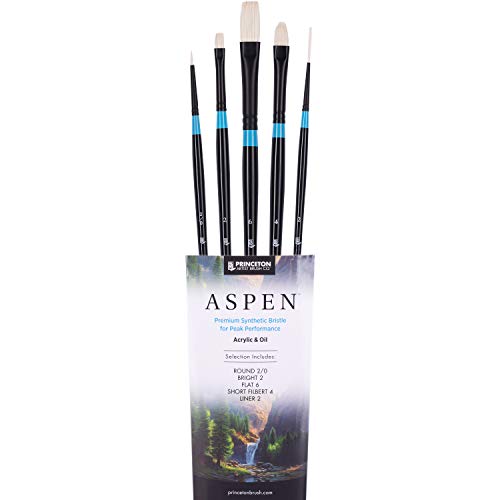
| Synthetic Bristle Brush | For smooth application | Use for thinner coatings; lays down an even layer. |
| Foam Applicator | For soft finishes | Ideal for achieving a regular pattern on uneven surfaces. |
| Lint-Free Cloth | For wiping excess | Helps remove the surplus product and enhances absorption. |
| Sprayer | For quick coverage | Best for large areas; ensure an even spray distance. |
Additional Supplies
Don’t overlook the necessity of having protective gear and a well-ventilated area. Gloves, masks, and drop cloths can minimize mess and ensure safety throughout the procedure. Pay attention to the surface you’re working on; preparing it correctly can enhance the application process.
Drying Time and Conditions for Stained Seagrass
For optimal results, I recommend allowing a minimum drying period of 24 hours after applying the finishing solution. This timeframe ensures that the transformation penetrates fully and sets effectively.
Here are specific conditions to consider for the drying process:
- Temperature: Aim for a room temperature between 65°F and 75°F (18°C to 24°C) to facilitate proper drying.
- Humidity: Maintain a relative humidity level of around 40-60%. High humidity can lengthen drying time, while low humidity may accelerate it too much, affecting the finish.
- Airflow: Ensure good ventilation. Using fans can help circulate air and reduce moisture buildup.
- Surface Preparation: Place the item on a surface that supports airflow from underneath, like a drying rack, preventing moisture retention.
Check the finish periodically. It’s important to ensure that the new layer is fully dried before any additional coat or handling. If I can detect any tackiness, I wait longer before proceeding.
For larger pieces, the interior may require extra attention. I’ll be mindful of the drying state inside furniture components to avoid any unintentional dampness.
Sealing Stained Seagrass Furniture for Longevity
After applying the dye, I recommend choosing a quality protective finish to enhance durability and maintain the color. A water-based polyurethane or a natural oil finish works best for this material. Ensure the product is specifically designed for porous surfaces to allow breathability without trapping moisture.
Before sealing, wait until the dye has fully dried, which usually takes 24 hours. Lightly sand the surface with fine-grit sandpaper to create a smooth base for the sealant. This step also helps the protective layer adhere better. Clean the dust with a damp cloth to prepare the surface.
Apply the finish using a clean brush or lint-free cloth, working in even strokes. Avoid over-saturating the surface to prevent drips. I usually apply a minimum of two coats for maximum protection, allowing adequate drying time between each application, typically 2-4 hours depending on humidity and temperature. Ensure proper ventilation during this process.
Once the final coat is on, let it cure for a minimum of 48 hours before using the item. This curing phase strengthens the protective layer, ensuring it effectively shields against scratches and spills. For ongoing maintenance, periodically check the condition of the finish and reapply as needed to keep the surface looking its best.
Maintenance Tips for Stained Seagrass Pieces
Regular dusting with a soft, dry cloth prevents dirt buildup. Avoid using cleaners that contain harsh chemicals; a gentle soap and water solution works well for light cleaning.
Immediately wipe up spills to prevent staining. For deeper cleaned areas, a damp cloth with a mild detergent can be used, ensuring to dry thoroughly afterwards.
Keep these pieces away from direct sunlight and heat sources. Sun exposure can fade colors and damage the material over time.
Reapply a protective finish every few years to maintain color and durability. Choose a product that’s suitable for natural fibers to ensure compatibility.
Rotate furniture to ensure even wear and prevent uneven fading. Moving items occasionally helps maintain a fresh appearance.
Use fabric protectors to limit the absorption of liquids and oils, adding an extra layer of defense against potential damage.