
 Caleb Turner
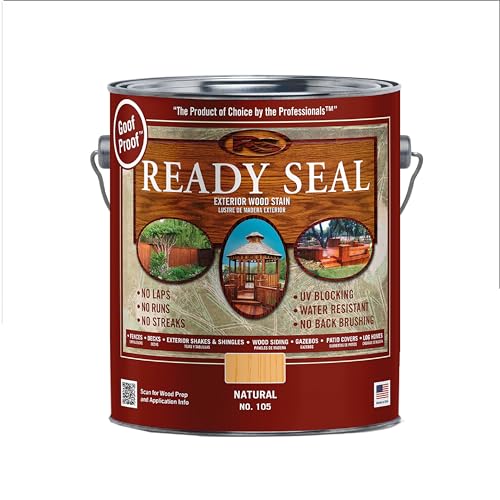
If you’re looking to enhance the natural beauty of your coated pieces, begin by selecting a quality surface enhancer that complements the existing color. Ensure it’s compatible with the original coating. This step prevents unexpected reactions that could ruin the finish.
Next, carefully prepare the surface. Clean it with a mixture of water and mild soap to remove dust and grime. Allow it to dry completely. For best results, lightly sand with fine-grit sandpaper (around 220 grit) to promote adhesion without damaging the underlying color.
When applying the enhancer, use a clean, lint-free cloth or a brush designed for smooth applications. Work in small sections to avoid uneven coverage, and always follow the manufacturer’s instructions regarding drying times and methods for sealing afterward. Patience during application will yield a rich and inviting appearance.
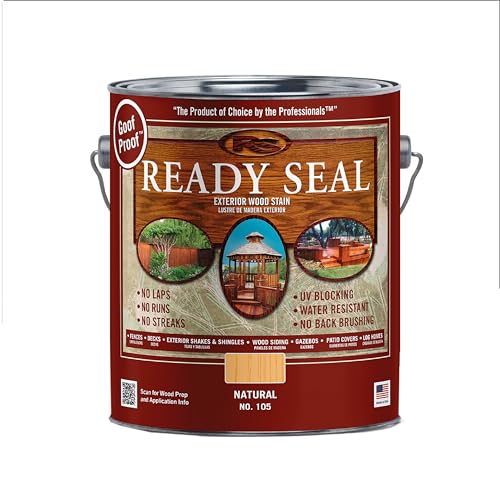


Applying a New Finish to Previously Colored Surfaces
Begin with a meticulous cleaning of the surface using a mild detergent and warm water. Allow it to dry completely. Next, utilize fine-grit sandpaper for a gentle scuffing of the area to be treated. This step enhances adhesion by providing a better surface texture for the new finish.
Choosing the Right Product
Select a suitable finish that aligns with your desired appearance. Gel formulas are ideal for even application, while oil-based versions often yield a richer tone. Experiment with test patches to ensure satisfaction before full application.
Application Techniques
Utilize a high-quality brush or a foam applicator to spread the finish evenly. Work in manageable sections, blending into previously treated areas to avoid stark lines. After the initial coat dries, assess if additional layers are necessary for depth. Always allow adequate drying time between coats.
Once completed, apply a protective sealant for durability, enhancing the surface’s lifespan and appearance. Regular maintenance with appropriate cleaners will preserve the new look over time.
Choosing the Right Stain for Painted Wood
I recommend starting with a clear understanding of the finish you desire. Select a hue that enhances the underlying layer rather than competes with it. This choice will influence the overall aesthetic significantly.
Types of Stains
- Oil-based: Provides a rich color and penetrates deeply. Ideal for a glossy finish but may require longer drying time.
- Water-based: Dries quickly and offers easy cleanup. Perfect for achieving subtle tones and is less odorous.
- Gel: Great for vertical surfaces due to its thicker consistency, preventing drips and unevenness.
Color Selection
Choose shades that complement the existing paint. I often test several shades on a hidden area to see how they interact with the current surface. Look for options that match or enhance your design style, whether modern or rustic.
- Consider natural tones for a classic appeal.
- Opt for bold colors if aiming for a statement piece.
- Experiment with layering different tints for depth.
After circling down your choices, always perform a small test application to visualize the final look before committing to the entire piece.
Preparing the Surface for Staining
I focus on a detailed surface preparation approach to ensure the best results. Following these steps makes a significant difference in the outcome.
- Clean Thoroughly: I start by cleaning the entire surface with a mixture of warm water and mild detergent. This removes dirt, grease, and other residues.
- Sand the Surface: I utilize fine-grit sandpaper (220 grit) to gently sand the area. This step smooths out imperfections and helps the new finish adhere better. I make sure to sand in the direction of the grain.
- Remove Dust: After sanding, it’s critical to wipe down the piece with a damp cloth or tack cloth to eliminate any dust particles. This prevents contamination during application.
- Assess the Finish: I examine the original coating for any areas that may be peeling or chipped. If I spot any, I consider stripping these sections to ensure an even base.
- Test a Small Area: Before applying any product widely, I test a small, inconspicuous spot to see how the surface reacts. This helps in avoiding any unwanted surprises.
By meticulously preparing the surface, I increase the chances of achieving a rich and lasting finish that enhances the appearance of the piece.
Removing Old Paint Without Damaging the Wood
I recommend using a chemical stripper specifically designed to safely remove old finishes from surfaces. Apply the stripper generously, following the manufacturer’s directions, and allow it to sit for the recommended time. This will soften the layers above.
Tools and Techniques
A plastic scraper is your best choice for gently lifting off the softened coats without harming the underlying material. Avoid metal tools that might cause scratches or gouges. For intricate areas, a toothbrush can be helpful to get into crevices and corners.
If you’re dealing with stubborn sections, you might consider repeating the application of the stripper. Always test in an inconspicuous area first to ensure no damage occurs.
Cleaning Up Residue
After scraping, use a damp cloth to wipe away any residue. If there are still traces of the previous coating, mineral spirits can assist in cleaning the surface effectively. It’s vital to ensure the area is fully dry before proceeding with any refinishing steps.
Applying Stain on Painted Furniture
Begin the application with a clean brush or cloth to ensure even coverage. I recommend using a high-quality applicator, as this can significantly influence the finish quality. Gently apply the product, working in small sections to maintain control over the absorption. Start from one corner, moving in the direction of the grain. This technique enhances the final appearance.
Keep an eye on the saturation of the material. If it seems to absorb too quickly, you may need to assess your prep work. Allow for a brief drying time after the first coat before determining the need for additional layers. It’s common for lighter colors to require more than one pass. Always test on an inconspicuous area to observe the color development.
For a more textured look, consider using a rag to rub the liquid in after applying it with a brush. This technique helps to achieve a varied depth, lending more character to the surface. Remember to follow the manufacturer’s recommendations regarding drying times between coats to achieve optimal adherence and finish integrity.
Once satisfied with the application, seal the surface with a clear finish to protect against wear. A polyurethane or varnish will enhance durability and add a polished sheen, ensuring longevity while maintaining an appealing aesthetic.
Blending Stain Colors for a Desired Effect
To achieve a unique finish, I often mix different shades for a customized look. Start by testing small amounts of two or more hues in a separate container. Carefully blend until I reach the desired tone, always documenting ratios for consistent future applications.
Using a palette knife or a stir stick can help me blend evenly, ensuring that the colors merge without harsh lines. A consistency similar to that of paint is ideal for easier application. Additionally, using a clear base can lighten the tone while enhancing transparency.
| Color Combination | Effect |
|---|---|
| Dark walnut + golden oak | Warm and rich finish |
| Red mahogany + clear base | Brightened, deeper red |
| Ash + ebony | Cool, dramatic contrast |
Applying the mixture should start from the least visible areas, gradually moving to more prominent surfaces to confirm satisfaction with the outcome. This method allows for modifications during the application process, ensuring results align closely with my vision before completing the entire piece.
Lastly, considering complementary shades can elevate the aesthetic. Observing how light interacts with the blended tones as I work will guide me in achieving the optimal depth and character for my project.
Sealing Stained Furniture
Choose a water-based polyurethane for a clear finish, providing durability without altering color. Apply multiple thin coats with a high-quality brush, allowing each layer to dry thoroughly before proceeding. For high-traffic items, consider a satin or semi-gloss finish to balance sheen and protection.
Application Tips
Lightly sand between coats using fine-grit sandpaper to ensure adhesion. Wipe away dust with a damp cloth to prevent imperfections. Avoid applying too much product at once, as this can lead to drips and uneven surfaces.
Final Steps
After the final coat has dried, give the piece additional time to cure fully before heavy use. This process can take up to a week, depending on environmental conditions. Regular maintenance with a soft cloth helps preserve the finish and appearance over time.
Maintaining Stained Furniture Over Time
Regular dusting with a soft cloth helps keep the surface clean without scratching. I prefer using microfiber cloths as they trap dust effectively and reduce the risk of damage.
Cleaning Techniques
For deeper cleaning, I use a solution of mild soap and warm water. Dampen a cloth with the solution, wipe the surface gently, and then dry it immediately with another soft cloth. I avoid soaking the material; excess moisture can lead to swelling or warping.
Avoid harsh chemicals or abrasive cleaners, as they can strip the finish. Always test any cleaning solution on a hidden area to ensure it does not cause discoloration.
Preventing Damage
Coasters are my go-to for protecting against rings from beverages. Placing felt pads under items also prevents scratches. If the piece is exposed to direct sunlight, I make sure to rearrange items periodically or use curtains to reduce fading over time.
Reapplying a protective finish every couple of years can enhance longevity. I prefer using a clear topcoat compatible with the existing finish for added durability, ensuring I follow the manufacturer’s recommendations for application.
Troubleshooting Common Issues
For uneven absorption, I apply a base coat of primer to create a uniform surface. This helps to mitigate variations and ensures an even application of color.
If I notice blotches forming, I quickly dab with a clean, dry cloth to absorb excess product. Keeping a consistent wiping technique prevents excessive pooling in localized areas.
In cases of streaking, I switch to a different applicator. Using a natural bristle brush might yield smoother results compared to synthetic options when working with tricky surfaces.
To address color inconsistency, blending multiple shades can harmonize transitions. Mixing a small amount of contrasting hues allows for a custom finish that complements existing tones.
As for surface activation, lightly sanding the area before application can enhance adherence. Just a quick scuff with fine-grit sandpaper often does the trick.
If I encounter a sticky finish, it could be due to insufficient drying time. I prefer to allow each layer to cure fully before any additional coats, often leaving it overnight.
For fading over time, applying a protective finish helps retain vibrancy. I regularly check for wear and reapply when necessary to extend the lifespan of the project.
Should I face issues with the final texture being too rough, I smooth it out with fine-grit sanding, followed by a gentle buffing to achieve a silky feel.
| Issue | Solution |
|---|---|
| Uneven Absorption | Apply primer to create a uniform surface. |
| Blotches | Quickly dab with a clean, dry cloth. |
| Streaking | Switch to a natural bristle brush. |
| Color Inconsistency | Blend multiple shades for a custom finish. |
| Sticky Finish | Ensure sufficient drying time before additional coats. |
| Rough Texture | Smooth with fine-grit sanding; buff gently afterward. |


