
 Caleb Turner

I recommend beginning your quest for unique, aged treasures at local thrift shops and second-hand stores. These places often hold hidden gems at reasonable prices. Visit frequently, as inventory changes rapidly, and developing a relationship with store owners can sometimes lead to insider tips on upcoming arrivals.
Online platforms like Etsy and eBay offer an expansive selection of antique decor, where sellers often provide detailed descriptions and photographs. Be diligent in reading reviews and asking questions to ensure authenticity. Set alerts for specific items to be notified when they become available.
Estate sales and auctions are gold mines for discovering remarkable household items. Attend these events prepared; researching items ahead of time can give you an edge in bidding. Don’t hesitate to negotiate prices, as many sellers appreciate a good conversation.


Networking within local artisan communities and attending vintage fairs can also yield fruitful connections. Engaging with fellow enthusiasts not only expands your knowledge but may lead to private sales and trade opportunities that aren’t available to the general public.
Creative Approaches for Finding Unique Pieces
Exploring local estate sales is an excellent way for me to discover one-of-a-kind items. I pay attention to listings in community bulletin boards and online platforms specific to my area. Often, these sales feature a wealth of character-filled pieces at reasonable prices.

Networking and Building Relationships
Connecting with antique dealers can yield surprising results. I make it a point to visit my favorite shops repeatedly, engaging in conversation with the owners. They often share insider tips on upcoming sales or new arrivals that might not be widely advertised. Building rapport can lead to opportunities before items are officially on the market.
Online Marketplaces
Utilizing various online platforms can broaden my search. I regularly check:
- Local Facebook Marketplace groups
- Craigslist listings
- Second-hand selling apps like OfferUp or Letgo
I advise setting search alerts on these platforms. This way, I receive notifications as soon as new listings that match my criteria go live, enabling me to act quickly.
Local thrift stores and consignment shops are often overlooked. Visiting them frequently sharpens my ability to spot treasures hidden among everyday items. Engaging staff members can also lead to great advice on what’s coming in next.
Traveling for Treasures
Venturing outside my immediate surroundings opens up exciting possibilities. Weekend getaways can be a fun excuse to check out neighboring towns’ antique shops, flea markets, or trade shows. Areas known for their history or artsy vibe often have markets that attract passionate sellers, providing an opportunity to find something truly extraordinary.
Participating in auctions, particularly those specializing in antiques, can be an exhilarating experience. I often scout for local auction houses and familiarize myself with their catalogs ahead of time. This preparatory work allows me to identify pieces I’d like to bid on and to establish a budget.
Ultimately, the key is persistence. Each visit, whether online or in person, builds my knowledge and sharpens my eye for exceptional pieces that tell a story.
Identifying Your Vintage Style Preferences
To refine my aesthetic, I first examine my existing decor. I assess which periods, colors, and textures resonate with me. For example, mid-century modern’s organic shapes and vibrant hues might appeal, while the rustic charm of farmhouse designs may also capture my interest.
Next, I explore influential design styles. I study elements of Art Deco, Industrial, or Scandinavian designs, each with distinct characteristics. I take notes on what catches my eye, whether it’s the sleek lines of Art Deco or the simplicity of Scandinavian pieces.
Creating a mood board helps me visualize my preferences. I collect images from various sources–design magazines, online platforms, or inspiration sites. This visual representation solidifies my choices and guides future selections.
Additionally, I consider the practicality of each style. I reflect on how much space I have and the functionality I require. For instance, if I favor bohemian style, I must ensure there’s enough room for statement pieces without crowding the environment.
Finally, I visit local antiques shops and flea markets. In-person exploration allows me to feel the materials and see the craftsmanship up close. Discovering unique items becomes part of my refinement process, providing insights into what truly captivates me.
Researching Popular Furniture Periods
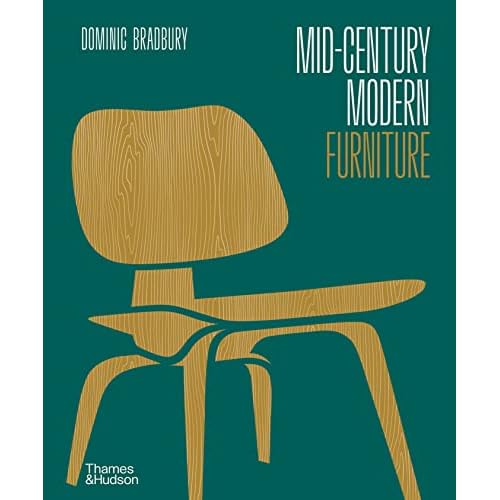
Begin by focusing on key eras such as Mid-Century Modern (1930s-1960s) known for its clean lines and organic forms, or the Arts and Crafts Movement (1880-1920), celebrated for hand-crafted details and natural materials. Study distinctive characteristics like the bold colors of 1970s designs, or the ornate aesthetics typical of the Victorian era (1837-1901).
Utilize online databases and auction sites to observe price trends and availability for each period. Join forums and groups dedicated to specific styles or periods to gather insights from enthusiasts and collectors. Museums often host exhibits that can provide visual references and historical context.
Visit local vintage shops and markets to experience various styles firsthand. This tactile approach aids in recognizing quality and craftsmanship. While exploring, take notes on brands associated with different eras, such as Eames for Mid-Century or Stickley for Arts and Crafts.
Compile a list of your findings, comparing features and materials unique to each period. This research will refine your preferences and guide your future acquisitions, ensuring a purposeful approach to enhancing your collection.
Finding Local Antique Stores and Markets
To discover unique pieces, I explore local antique shops and markets. Checking local listings, such as Google Maps or Yelp, helps find nearby stores specializing in classic items. I often use keywords like “antique shops” or “curiosity markets” for better results.
Visiting flea markets can yield hidden treasures. Many towns host these events on weekends, bringing together vendors offering a variety of collectibles. I recommend carrying cash, as some sellers may not accept cards.
I also network with other enthusiasts. Joining local online groups or forums dedicated to antiques allows me to get recommendations for the best spots. Social media platforms can provide insights into upcoming sales or events where vintage treasures might be available.
Additionally, local estate sales and auctions are excellent sources for discovering unique items. Websites like EstateSales.net or AuctionZip can provide schedules and details on sales in my area. Attending these sales early can offer the best chance to find worthy pieces.
| Source Type | Notes |
|---|---|
| Antique Shops | Specialized dealers often have well-curated selection. |
| Flea Markets | Great for bargains; prepare to negotiate. |
| Estate Sales | Unique opportunities to find rare items. |
| Online Groups | Networking leads to insider tips and sales. |
Regularly exploring these venues ensures a varied selection and keeps my collection fresh and exciting. Happy hunting!
Exploring Online Marketplaces for Vintage Finds
Begin your search on platforms such as Etsy, eBay, and Facebook Marketplace. Here, I have discovered unique pieces that often come with rich histories. Set specific keywords to filter results based on the era or style you desire.
- Etsy: A haven for artisans and small sellers. Search for individual shops that specialize in retro items, and don’t hesitate to reach out to sellers for more details or potential discounts.
- eBay: Utilize the advanced search feature to narrow down your options. Be mindful of auction listings for items that may be significantly underpriced.
- Facebook Marketplace: This platform allows for geographic filtering. Engage with local communities to find sellers near you. Joining specific groups dedicated to retro pieces can yield hidden treasures.
Expand your options with specialized sites such as Chairish or 1stdibs, which curate selections from trusted dealers. These platforms provide detailed descriptions and often guarantee authenticity.
- Set alerts: Use the feature on each platform to be notified when items matching your criteria become available.
- Evaluate seller ratings: Always check reviews and return policies before finalizing a purchase.
- Ask for additional photos: If in doubt, request more images from different angles to assess the item’s condition thoroughly.
Don’t overlook social media. Instagram’s search function can reveal trending items or shops. Keep an eye on hashtags related to retro goods, as dealers often post their latest finds there.
Finally, practice patience. Great discoveries might take time to surface. Regularly check your preferred sites to catch the next perfect addition for your collection.
Attending Estate Sales and Auctions
To find unique treasures, I prioritize estate sales and auctions in my quest for distinctive items. Attending these events allows me to uncover pieces with history and character at competitive prices.
Research and Schedule
I keep an eye on local listings and auction houses, subscribing to newsletters and following social media accounts dedicated to estate sales. Planning my visits in advance ensures I don’t miss out on high-value sales. Many estate sales are advertised weeks ahead, often with online previews of available items.
Inspecting Items
Once at the sale or auction, a careful inspection of each piece is crucial. I check for signs of wear, structural integrity, and authenticity markers. Ask questions if unsure; seasoned sellers often have valuable insights about the items. I’ve learned that the condition can significantly impact resale value, so I take my time evaluating potential purchases.
Bidding Strategies: In auctions, I set a budget before participating. It’s easy to get caught up in the excitement, so I stick to my limit to avoid overspending. I observe bidding patterns and engage at the right moment to secure a prized item without overextending my finances.
Building Relationships: Establishing connections with auctioneers and fellow attendees can lead to future opportunities. Many collectors are open to sharing tips about upcoming sales or rare finds. Networking within this community often pays off, expanding my knowledge and access to incredible pieces.
Building Relationships with Vintage Furniture Dealers
Establishing rapport with people who deal in second-hand design pieces enhances my chances of finding exceptional items. I make it a point to visit their shops regularly, developing familiarity and trust. Each visit provides an opportunity to communicate preferences, and interestingly, establishing a friendly connection often leads to exclusive offers or early notifications about new arrivals.
Attending special events hosted by dealers can be invaluable. I find these gatherings are perfect for engaging in meaningful conversations while exploring interesting pieces. Dealers appreciate knowing their clients personally, and they often keep an eye out for specific requests from those they recognize.
I keep notes on the dealers I encounter, highlighting their specialties, inventory styles, and pricing. This helps me understand their perspectives, which can aid me in striking deals. When a dealer knows my aesthetic taste, they may reach out with opportunities that align with my preferences.
Active participation in social media platforms where these professionals showcase their collections is another strategy I employ. Commenting and engaging with their posts fosters a sense of community. This approach can lead to direct messages or offers that aren’t publicly available.
| Dealer Type | Interaction Method | Benefits |
|---|---|---|
| Local Shops | Frequent Visits | Building Trust |
| Events | Networking | Exclusive Offers |
| Online Platforms | Engagement | Early Notifications |
Lastly, I ensure to express gratitude and appreciation. A simple thank you can go a long way in cultivating goodwill and can encourage dealers to prioritize my future needs. They may remember that I was receptive and respectful, which can enhance my shopping experience and lead to remarkable finds.
Understanding Furniture Condition and Restoration Options
Assessing the state of an item is crucial prior to acquisition. Begin by evaluating any surface damages, structural integrity, and signs of wear. Look for scratches, dents, or fading, as these indicators reveal the level of care it has received over time. Pay attention to joints; loose or wobbly parts may suggest poor construction or previous repairs that weren’t completed well.
Before making a purchase, consider the potential for restoration. Minor blemishes can often be cleaned or repaired with the right techniques. For wood pieces, various options exist–polishing, refinishing, or reupholstering can significantly enhance appearance. Choose a method based on the item’s historical value; original finishes can be more desirable so opting for careful cleaning over full refinishing is often wise.
If deeper restoration is needed, enlist skilled professionals. Ensure they specialize in the period style of the piece to maintain authenticity. Research their previous work through online reviews or portfolios. Clear communication regarding the desired outcome is paramount; prepare for consultations that establish timelines and costs involved.
Consider taking on simpler restoration projects yourself, such as cleaning upholstery or using wood oils to rejuvenate surfaces. Online tutorials can provide step-by-step guidance, making it feasible to engage in basic upkeep without professional help.
Always prioritize preservation–aim for methods that retain the original character of each item. Collecting should celebrate the craftsmanship and history inherent in every find, balancing between authenticity and personal taste.
Budgeting for Vintage Acquisitions
Establish a clear spending limit before exploring antique gems. This prevents impulsive purchases that can lead to financial strain.
Determining Your Spending Limit
- Assess your financial situation and allocate funds specifically for vintage pieces.
- Consider prices of similar items in your preferred style and era.
- Factor in potential restoration costs if you plan to enhance the condition of your finds.
Tracking Expenses
Keep a detailed record of all transactions. This allows for better visibility of how much you’re investing and aids in evaluating future purchases.
- Create a spreadsheet with categories for each acquisition, including purchase price, restoration costs, and dates.
- Regularly review your expenses to stay aligned with your initial budget.
Avoid overextending financially by sticking to your set limit, while still being open to negotiation and discovering quality items within your range.
Exploring Alternative Funding Options
- Consider setting aside a small amount monthly into a dedicated savings account for antique shopping.
- Look for seasonal sales and clearance events in your favorite shops for unexpected deals.
Adhering to a firm budget enhances the experience of finding unique additions while maintaining financial well-being.
Transporting and Setting Up Your Vintage Pieces
Use a reliable moving service experienced in handling antique items to avoid damage during transport. Make sure to wrap each piece carefully with bubble wrap or moving blankets, securing them with tape. If possible, disassemble larger items to make transportation easier. Use a vehicle with ample space and cushioning to prevent jostling during the trip.
Once at your location, choose a suitable environment that complements the era and style of each piece. Ensure the room has adequate lighting, as well as a stable temperature and humidity level to maintain the integrity of the materials. Avoid direct sunlight exposure, which can fade colors and warp wood.
When arranging your items, consider their scale and proportion relative to each other and the space. Start with large items as anchors and build around them, creating balance. Keep in mind the flow of the room; don’t block pathways or entrances. The arrangement should facilitate natural movement while allowing each piece to shine.
For items that require assembly or minor repairs, gather all necessary tools and components beforehand. Refer to any notes or instructions obtained during your search to ensure accuracy in putting things together. For delicate items, consider consulting a specialist for installation or adjustments to preserve their condition.
After setting everything up, take time to appreciate your collection. Take inventory by documenting each piece and noting its condition. This will be helpful for future maintenance or if you choose to sell items later.
FAQ:
What are the best places to find vintage furniture?
You can find vintage furniture in various places. Thrift stores and consignment shops often have hidden gems at reasonable prices. Estate sales and auctions are also excellent venues for sourcing unique pieces. Online marketplaces like eBay, Etsy, and specialized vintage furniture websites provide access to a wide range of items, while social media platforms, especially Instagram, can connect you with individual sellers or vintage shops. Additionally, flea markets and antique fairs are great for discovering furniture with character and history.
How can I determine if a vintage piece is genuine?
To verify the authenticity of a vintage furniture piece, examine it closely. Look for identifying features such as labels, stamps, or maker’s marks, which can indicate the manufacturer and origin. Check the construction techniques; authentic vintage furniture often uses joinery methods like dovetails and real wood instead of particle board. Signs of wear, patina, and craftsmanship also provide clues about its age. Research the specific style or era to familiarize yourself with what to expect from genuine pieces. Consulting with experts or joining online forums can provide additional insights.
What should I consider when assessing the condition of vintage furniture?
When assessing vintage furniture, consider several factors. Inspect for structural integrity; make sure joints are secure and the piece is sturdy. Look for signs of damage, such as cracks, scratches, or missing parts. Functionality is also essential; test drawers and doors to ensure they open and close smoothly. Additionally, evaluate the finish; a worn finish can often be restored, but significant damage might require professional help. Keep in mind that some imperfections may add character, while others could diminish the value, so balance personal preference with condition.
How do I negotiate the price when buying vintage furniture?
Negotiating the price of vintage furniture involves research and strategy. Before making an offer, research similar items online to establish a fair market price. When meeting with a seller, express genuine interest while being polite and respectful. Point out any flaws or necessary repairs to justify your offer. If the item is at a shop, ask about their best price, as many stores expect haggling. Be prepared to walk away if the price doesn’t meet your budget; sometimes, this can prompt the seller to reconsider your offer.
What is the best way to care for and maintain vintage furniture?
Caring for vintage furniture requires a gentle approach to preserve its charm. Regular dusting with a soft, dry cloth helps prevent dirt buildup. For wood pieces, use a suitable wood polish or oil to maintain the finish and protect against drying. Avoid placing vintage furniture in direct sunlight or areas with high humidity, as these conditions can cause warping and fading. If deeper cleaning is needed, consult a professional for advice to avoid damaging the piece. Finally, be mindful of using products that contain harsh chemicals, as they can harm the vintage finishes.
What are the best places to find vintage furniture?
When searching for vintage furniture, explore a variety of venues that offer unique pieces. Antique shops are a great starting point, as they often specialize in older furnishings and provide knowledgeable staff to assist you. Estate sales and auctions can yield valuable finds, often at reasonable prices, as families clear out belongings. Flea markets and thrift stores are also excellent options, with the possibility of stumbling upon hidden gems. Online platforms like eBay, Etsy, and specialized vintage furniture websites provide a wider reach, allowing you to find items from different regions that may not be available locally. Finally, keep an eye on social media marketplaces where individuals sell their unwanted furniture. Each of these sources has its unique appeal, so a combination of methods will likely yield the best results.


