Caleb Turner

Choose a high-quality primer designed for slick surfaces to prepare the item for a fresh look. Applying a bonding primer enhances adhesion, ensuring that the color adheres well and lasts longer.
Once primed, opt for a suitable aerosol formula that guarantees a smooth finish. Light, even coats are crucial; apply several thin layers rather than one thick one to avoid drips and runs.
Always work in a well-ventilated area and utilize protective gear to keep your space and health secure. Cover surrounding areas with drop cloths to prevent overspray from affecting other items.
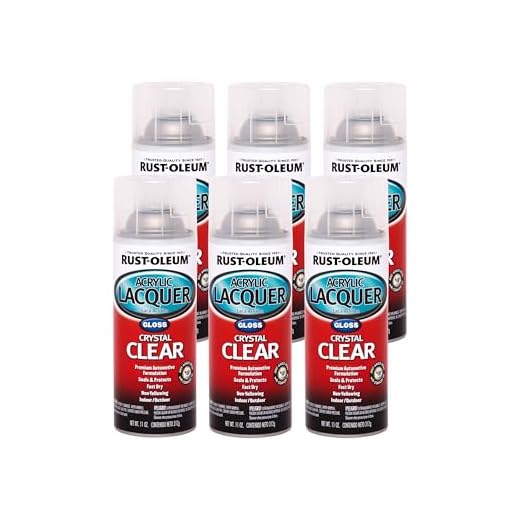
After the final coat has dried, consider sealing the surface with a clear topcoat to enhance durability and add a subtle sheen. This step is invaluable for ensuring the longevity of the transformation.
Technique for Coating Synthetic Surfaces
Begin with a thorough surface cleaning using a degreaser. This ensures adhesion by removing any residue. Once cleaned, I lightly sand the area with fine-grit sandpaper to create a textured surface. This step is crucial to prevent peeling later on.
Next, I apply a primer specifically designed for slick surfaces. Uniformly cover the area and allow it to dry according to the manufacturer’s instructions. This step enhances the bond between the subsequent layers.
For the main color application, using a quality product designed for synthetic surfaces yields the best results. I hold the can approximately 10-12 inches from the surface, using steady, even strokes. Multiple thin layers, rather than a single thick one, prevent drips and promote an even finish.
After each layer, I allow sufficient drying time to avoid any mishaps. Typically, I wait around 15-30 minutes between coats. Once the desired opacity is achieved, I finish with a clear topcoat to provide durability and a polished look.
Finally, patience is key while drying completely; I usually let the item cure for at least 24 hours before putting it back into use. This guarantees longevity and resilience in everyday scenarios.
Choosing the Right Spray Paint for Laminate Surfaces
Selecting an appropriate coating is pivotal for achieving a durable and attractive finish on laminate surfaces. I prefer to utilize acrylic paints designed specifically for plastic or laminate, as they adhere better and resist chipping.
Key Factors to Consider
Here are the key characteristics to look for:
| Feature | Description |
|---|---|
| Adhesion | Ensure the product states compatibility with non-porous surfaces for a strong bond. |
| Durability | Opt for formulations that offer resistance to scratches and fading over time. |
| Finish | Choose between matte, satin, or gloss finishes based on the desired aesthetic. |
| Drying Time | Consider quick-drying options to expedite your project timeline. |
Recommended Products
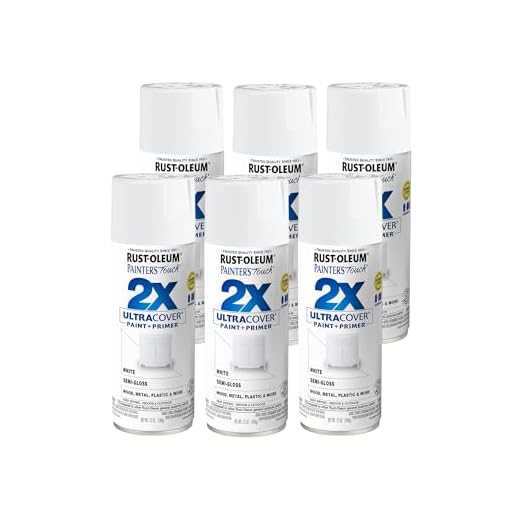
I have found brands like Rust-Oleum 2X Ultra Cover and Krylon Fusion to work exceptionally well. Their ease of application and variety of colors allows for great customization, and I appreciate the smooth finish they provide after curing.
Preparing the Surface for Better Adhesion
For optimal bonding, I begin by thoroughly cleaning the surface. Using a mixture of warm water and mild detergent, I scrub away dirt, grease, and any residues. A lint-free cloth ensures no particles are left behind.
Next, I focus on scuffing the outer layer to increase texture. A fine-grit sandpaper (around 220-grit) efficiently abrades the surface, allowing the coating to grip better. I ensure to sand evenly, paying attention to any glossy areas that may resist adhesion.
Cleaning Off Dust and Debris
After sanding, I meticulously remove all dust. A vacuum with a brush attachment is perfect for this task, followed by a wipe with a damp cloth. Ensuring the surface is dry before proceeding is critical; moisture can hinder adhesion.
Applying Primer for Extra Security
Applying a primer designed for non-porous surfaces provides an additional layer of assurance. I use a quality bonding primer, covering all areas evenly. Allowing it to dry completely before adding the topcoat is vital for achieving a smooth and durable finish.
Taking these steps guarantees a strong adhesion for the subsequent coating, resulting in a more professional and long-lasting outcome.
Masking and Protecting Surrounding Areas
Before proceeding with the application process, I ensure that all adjacent surfaces are properly masked and protected. This involves using high-quality painter’s tape and drop cloths to cover any areas that should remain untouched.
Materials Needed
- Painter’s tape
- Drop cloths or plastic sheeting
- Utility knife
- Scissors
Steps to Mask and Protect
- I begin by removing any items around the workspace to create a clear area. This minimizes the risk of overspray and damage.
- Next, I carefully apply painter’s tape along edges, seams, and any areas that should not be coated. I press down firmly to ensure that no gaps are present.
- For large areas or floors, I lay down drop cloths or plastic sheeting. This catches any potential overspray and keeps the environment clean.
- I double-check my masking job, ensuring that everything is secure and well-protected. If necessary, I’ll trim the tape edges with a utility knife for a precise finish.
This protective approach ensures that the surroundings remain in excellent condition while I focus on revitalizing the surface at hand. Taking these precautions saves time and effort in cleanup later on.
Applying the First Coat of Aerosol Color
I begin with a steady hand, holding the container about 8 to 12 inches from the surface. Utilizing a light touch, I spray in even, sweeping motions. Starting from one edge, I work my way across, making sure to overlap each stroke slightly for uniformity. This method prevents drips and ensures I achieve an even application.
Timing Between Layers
I keep an eye on the drying time on the label, typically around 10 to 30 minutes. I resist the urge to touch or move the item until the initial layer is dry to the touch. If conditions are humid, it may take longer to dry, so patience is key at this stage.
Building Coverage Gradually
Instead of applying one heavy layer, I opt for multiple thin coats. After the first is completely dry, I inspect for any missed spots or uneven areas. If I spot imperfections, I address them with a light touch, making sure not to overload the surface. This approach helps achieve a smooth, professional finish.
Once satisfied, I allow the first coat to fully cure before proceeding to the next application. This ensures a strong bond and durability in the final result.
Ensuring a Smooth Finish with Proper Technique
Utilizing a consistent distance of about 6 to 12 inches between the nozzle and surface is integral for an even application. This helps to prevent drips and uneven coverage.
Layering for Success
Applying multiple thin layers produces a refined result. Allow each coat to dry for at least 15-30 minutes before proceeding to the next. This not only enhances adherence but also minimizes the risk of runs.
Movement and Technique
Use a steady, sweeping motion from side to side. A back-and-forth technique rather than circular strokes helps maintain an even distribution. Overlap the edges of each pass slightly to ensure complete coverage without bare spots.
Curing and Caring for Painted Furniture Surfaces
To ensure longevity, allow a complete cure time of at least 72 hours after application. During this period, keep the pieces in a well-ventilated space, away from direct sunlight or extreme temperature fluctuations. This will help the new layer bond effectively and achieve its maximum hardness.
Post-Curing Care
After the curing phase, clean with a damp cloth and a mild detergent. Avoid abrasive scrubbers to prevent scratching the surface. If needed, use a soft microfiber towel for dusting and light cleaning.
Maintenance Tips for Daily Use
Protect the surfaces by using coasters and placemats to avoid direct contact with hot or wet items. For any accidental spills, wipe immediately to prevent staining or discoloration. If scratches occur, a touch-up of the original color can be done to maintain appearance.
Avoid harsh chemicals as they can damage the finish. Regularly check for any signs of wear or damage and address them promptly to keep the surfaces looking fresh.
By following these guidelines, I ensure that my rejuvenated items remain functional and visually appealing for years to come.