
 Caleb Turner
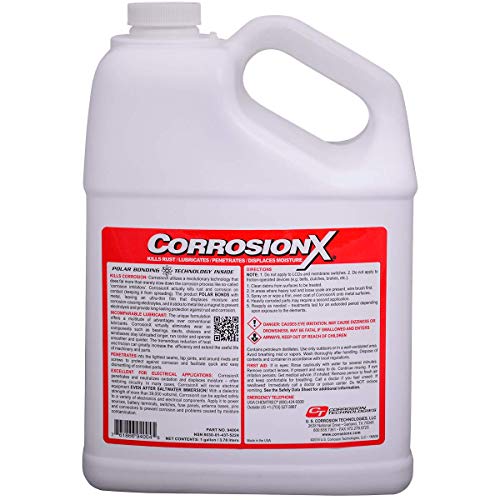
Begin the maintenance of your metal decor by thoroughly cleaning the surfaces to remove dust and grime. A mixture of warm water and mild soap works wonders–a simple sponge will do the trick. Make sure to rinse well with clean water and dry immediately with a soft cloth to prevent water spots.
Next, assess the current finish. If there are signs of rust or dullness, consider using fine steel wool or a wire brush to gently remove these imperfections. Always be cautious not to scratch the underlying metal. After this, apply a suitable protective coating. A clear sealant or furniture polish designed for metal can enhance the appearance and provide a barrier against future damage.
For areas exposed to the elements, ensure regular inspections and touch-ups where necessary. A periodic application of wax will also help maintain a gleaming appearance while offering additional protection against moisture and oxidation.
Restoration Techniques for Metal Accents
Apply a mixture of vinegar and olive oil to a soft cloth and gently wipe down the surface. This method will remove tarnish and provide a subtle sheen.
For deeper scratches or wear, fine steel wool can help. Rub the affected areas lightly, and follow with a protective wax coating to seal the finish.


Consider buffing with a soft, non-abrasive cloth after treatment to enhance the luster. Regular maintenance can significantly extend the life of the metal accents.
To preserve the integrity of the finish, avoid harsh chemicals. Instead, create a cleaning solution using mild soap and warm water, applied with a sponge.
| Material | Recommended Use |
|---|---|
| Vinegar | Removes tarnish and grime |
| Olive Oil | Adds shine and protection |
| Steel Wool | Cleans deeper scratches |
| Mild Soap | General cleaning agent |
Regular inspections for rust or wear spots are key. Addressing these issues early prevents long-term damage. A touch-up paint matching the original finish can be applied for areas that need more attention.
Choosing the Right Cleaning Supplies
Select supplies specifically designed for metal upkeep. Avoid anything that may cause corrosion or damage.
Recommended Items
- Mild detergents: Use a gentle soap mixed with warm water as a primary cleaner.
- Soft sponges: Opt for non-abrasive sponges to prevent scratches.
- Microfiber cloths: Ideal for drying and buffing after cleaning.
- Rust-inhibiting oil: Apply this after cleaning to protect surfaces and maintain a polished look.
- Specialized metal polish: Choose a non-toxic polish for an enhanced finish.
Supplies to Avoid
- Harsh chemicals: Avoid bleach or ammonia-based products; they can harm the finish.
- Abrasive cleaners: Never use steel wool or heavy-duty scrubbers that can scratch.
- Acidic cleaners: Stay away from vinegar or lemon juice, which can cause deterioration.
Proper selection and use of cleaning supplies make a significant impact on maintaining the aesthetic and integrity of metal structures. Each cleaning session should prioritize safety and preservation.
Preparing the Wrought Iron Surface
Begin with a thorough cleaning of the metallic items. Utilize a mixture of warm water and mild soap or a specialized cleaner for metals to remove dust, dirt, and grease. Employ a soft cloth or a non-abrasive sponge to gently scrub the surface, ensuring you reach all crevices and intricate designs.
After the initial wash, rinse with clear water to eliminate any soap residue. Dry the pieces completely with a clean towel or let them air dry before proceeding. This step is crucial; any moisture left on the surface may lead to rust formation.
For surfaces exhibiting old paint or rust, a wire brush or sanding block will be effective. Carefully sand down any rough spots, chips, or flaky paint. Make certain not to cause excessive damage to the underlying material. Once smoothed out, wipe away any dust created during this process with a damp cloth.
Inspect the surface for imperfections. If significant rust is present, consider treating it with a rust-inhibiting primer. This ensures that the layers applied later adhere properly and provide a long-lasting finish. Follow the manufacturer’s guidelines for application, and allow proper drying time.
Finally, prepare the area for applying the finishing touches. Ensure proper ventilation if working indoors, and lay down a drop cloth to catch any excess products. A well-prepared surface will not only look appealing but also extend the longevity of the decorative metallic articles.
Using a Mild Cleaner for Regular Maintenance
I recommend opting for a mild cleaner to maintain your metal pieces effectively. This type of solution ensures you can clean without causing scratches or tarnishing the surface.
When selecting a gentle cleanser, look for the following attributes:
- Non-abrasive formulas to avoid damage.
- pH-balanced ingredients to prevent corrosion.
- Biodegradable options for environmental consideration.
To use this cleaner, follow these steps:
- Dilute the solution with water as per the instructions on the label.
- Apply the mixture using a soft cloth or sponge, ensuring even coverage.
- Gently scrub areas with visible dirt or stains, using minimal pressure.
- Rinse thoroughly with clean water to remove any residue.
- Dry completely with a soft towel to avoid water spots.
Regular usage of this mild cleaner helps maintain the aesthetic appeal and longevity of your metal decor elements. Aim for cleaning every few weeks or as needed based on exposure to the elements and usage.
Removing Rust from Wrought Iron Furniture
To eliminate corrosion from metal pieces, I first reach for a wire brush or sandpaper. These tools enable me to scrub away loose rust, revealing a smoother surface beneath. Care is essential to avoid damaging the underlying finish, so I use a light touch at first and increase pressure gradually.
Rust-Removing Solutions
Homemade solutions, such as combining vinegar and baking soda, create an effective paste. I apply this mixture directly onto the affected areas, allowing it to sit for around an hour. After the waiting period, I scrub the surface with a scrub pad, rinsing with water, and drying thoroughly to prevent further moisture-related damage.
Commercial Rust Removers
If the rust proves persistent, I consider specialized commercial rust removers. Following the product’s instructions is crucial; typically, I apply the liquid and let it penetrate for the recommended time. Afterward, I wipe the area clean with a soft cloth, ensuring no residue remains. A final step involves applying a protective coating of wax or oil to shield against future corrosion.
Applying a Protective Coating
After cleaning and restoring the surface, I always ensure to apply a high-quality protective coating. This step is crucial for preventing future corrosion and maintaining the appeal of the metal décor. I prefer using a clear sealant or specialized metal lacquer that provides a barrier against moisture and harmful elements.
Choosing the Right Product
I select products specifically designed for metal surfaces. For instance, a polyurethane or epoxy-based coating can offer excellent durability. It’s important to check if the product is suitable for exterior or interior use, depending on where the pieces will be located.
Application Process
Before applying the sealant, I clean the surface thoroughly to remove any dust or debris. I use a clean brush or spray for even application, making sure to cover every nook and cranny. A second coat can enhance protection, so I usually wait the recommended drying time before applying it. Following the manufacturer’s instructions leads to the best results.
Polishing Techniques for a Shiny Finish
For achieving a polished surface on decorative metal pieces, I use a few effective techniques. First, I choose a soft, lint-free cloth for applying polish. This prevents scratches and ensures an even application.
Using a dedicated metal polish, I apply a small amount onto the cloth and rub it onto the surface in circular motions. Focusing on one section at a time allows me to achieve a consistent finish without missing spots.
In areas with intricate designs or hard-to-reach spots, I opt for a soft-bristled brush. This helps to work the polish deeply into crevices, enhancing the overall brilliance.
After the polish is applied, I take a clean portion of the cloth and buff the surface gently. This step enhances the shine while removing any excess product, which can lead to a dull appearance if left behind.
I also pay close attention to the edges and corners, as these areas can accumulate residue. A quick touch-up using the cloth can restore a smooth finish.
For metals that require more robustness, I sometimes use a polishing compound with a heavier grit first, followed by a finer compound to achieve that final gleam.
Regular polishing not only adds to the aesthetic but also helps in maintaining the integrity of the material over time, preventing oxidation and keeping it looking its best.
Tips for Long-Term Care and Preservation
Regularly inspect your metallic seating and tables for signs of corrosion. Early detection allows for swift treatment, preventing more extensive damage. A proactive maintenance schedule can be incredibly beneficial.
Store Correctly
Store items indoors during harsh weather. If storing outside, use protective covers to shield from rain and snow. Ensure items are not placed on damp surfaces, which can lead to moisture accumulation.
Avoid Damage During Use
Use coasters, trivets, or placemats to minimize scratches and heat damage when placing items on the surface. Be cautious with heavy objects, as they can bend or dent the material over time. Keeping a gentle touch can prolong its beauty.
Identifying and Fixing Common Damage
To detect issues like scratches, dents, or corrosion, I inspect the surface closely. Minor scratches can often be buffed out using a fine-grit sandpaper or metal polish applied with a soft cloth. For deeper scratches, I apply a touch-up paint that matches the original color, ensuring that the paint adheres well and blends seamlessly.
Addressing Corrosion
For corrosion, I utilize a wire brush to remove loose rust particles. After that, I clean the affected area with vinegar or a rust remover, following the manufacturer’s instructions. Once cleaned, I apply a protective coating to prevent future corrosion.
Repairing Dents
To fix dents, a rubber mallet can be useful. I gently tap around the dented area from the underside, gradually restoring its original shape. If the damage is severe, I consider consulting with a professional for more complex repairs.
FAQ:
How can I effectively clean my wrought iron furniture to make it shine?
To clean your wrought iron furniture, begin by dusting off any loose dirt or debris with a soft cloth. Then, mix warm water with mild soap and use a sponge to scrub the surface gently. For tougher spots, a mixture of vinegar and water can help remove stains. After cleaning, rinse with clean water and dry the furniture thoroughly to prevent rust.
What type of polish should I use to add shine to my wrought iron furniture?
Using a specialized metal polish, designed explicitly for wrought iron, is the best option. Look for a polish that contains carnauba wax, as it provides a protective coating and enhances the shine. Apply the polish with a soft cloth, following the manufacturer’s instructions to achieve the best results.
Are there any homemade solutions to help shine wrought iron furniture?
Yes, several homemade solutions can help. A simple mixture of olive oil and vinegar is effective; combine equal parts and apply it to the furniture with a soft cloth. Another option is rubbing lemon juice on the surface, which can help remove tarnish and add shine. Just remember to buff it with a clean cloth afterwards to achieve a polished look.
How often should I clean and polish my wrought iron furniture to maintain its appearance?
It is advisable to clean and polish wrought iron furniture at least once every season to maintain its luster and protect it from the elements. If the furniture is used often or is exposed to harsh weather conditions, consider cleaning it more frequently, perhaps once a month, to keep it in optimal condition and prevent rusting or fading.
Is it necessary to use a protective coating on wrought iron furniture after polishing?
Yes, applying a protective coating after polishing is highly recommended. Sealing the surface with a wax or clear coat can help guard against moisture, dirt, and potential rust. This protective layer extends the life of your furniture and ensures that the shine lasts longer. Be sure to reapply the coating periodically, especially if the furniture is exposed to outdoor elements.
What are the best techniques to clean and shine wrought iron furniture?
To clean and shine wrought iron furniture, begin by removing any loose dirt and dust with a soft brush or cloth. For deeper cleaning, a mixture of warm water and mild soap can be used—apply it with a sponge and scrub gently. After rinsing with clean water, dry the surface thoroughly to prevent rust. To shine the furniture, you can use a specialized metal polish or a protective wax. Apply it with a clean cloth, following the product instructions, and buff the surface to achieve a finish that shines while also providing a layer of protection against the elements.
How can I protect wrought iron furniture from rust and weather damage?
Protecting wrought iron furniture from rust and damage caused by the weather is key to maintaining its appearance and longevity. First, ensure that the furniture is stored indoors during harsh weather conditions. If it must remain outside, consider covering it with a waterproof cover. Regular maintenance is also important; inspect the furniture periodically for signs of rust and treat any areas with rust-inhibiting paint. Additionally, a protective coating of oil, wax, or specialized rust-proof spray can provide extra defense against moisture. Keeping the furniture clean and dry will also significantly help in preventing corrosion.


