
 Caleb Turner

If you’re faced with two pieces of timber that have become inseparably joined, begin by applying heat carefully. A heat gun or a hairdryer set to a low temperature works well. Focus on the bonded area for several minutes, allowing the adhesive to soften.
While the glue responds to heat, use a thin putty knife to gently pry apart the two elements. Start at one edge, working your way around the bond. Patience is key; forcing them apart can lead to damage. A slight wiggling motion can help disengage the surfaces without compromising their integrity.
Should heat alone not suffice, consider introducing moisture. Dampen a cloth with warm water and press it against the joint. This can help soften the adhesive further. After waiting a few minutes, retry the separation method. Repeat the process as necessary, alternating between heat and moisture to achieve the desired outcome.
Tips for Disassembling Adhered Timber Pieces
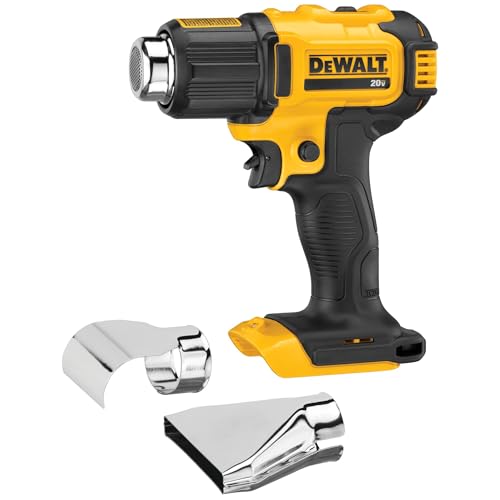
I found that applying heat directly to the bonded areas with a heat gun softens the adhesive effectively. Ensure you keep the gun moving to avoid scorching the surface. Once the glue has softened, gently pry the components apart using a flat chisel or a putty knife. Take care to avoid damaging the wood.


If heat isn’t an option, I recommend using a solvent. A mixture of water and vinegar can break down certain adhesives. Dampen a cloth with the solution and apply it to the joint, allowing it to seep in for several minutes. Then, try to carefully pull the pieces apart.
For stubborn joints, consider using a thin blade, such as a utility knife, to cut through the adhesive. A saw blade may also help if the pieces are particularly stuck. Just be cautious to avoid gouging the wood.
Patience is key. Apply moderate force and always work in small increments. If resistance feels significant, retreat and assess the situation before applying additional heat or solvent.
After disassembly, be prepared to clean any residual adhesive from the surfaces. A combination of scraping and sanding can restore the integrity of the wood, making it ready for future assembly or refinishing.
Identifying the Type of Adhesive Used
To determine the adhesive used in your item, inspect the joints closely for residue or excess glue. A clear, glossy finish often indicates a PVA (polyvinyl acetate) glue, while a yellowish tint suggests the presence of yellow carpenter’s glue. If you notice a brown, somewhat flexible bond, it’s likely hide glue, commonly used in antique pieces.
Perform a water test by applying a small drop on the joint. If it softens, you may be dealing with a PVA or hide glue, as these can become pliable with moisture. Conversely, epoxy or polyurethane adhesives will remain unaffected, indicating a more aggressive bonding method.
If available, check any product labels on the furniture itself or accompanying documentation, which may reference the adhesive used during manufacturing. Older items may utilize natural adhesives, while modern constructs often rely on synthetic options.
For a more invasive approach, carefully separate a small section of the bond for laboratory analysis, which can definitively identify the materials used. This method is useful if the type of adhesive significantly impacts the separation process.
Preparing the Workspace for Safe Disassembly
I always ensure a clean, well-lit area for any disassembly task. Adequate lighting and space help in identifying components and prevent accidents. I prefer working on a flat surface, like a sturdy table, to avoid damaging the items involved.
Protective gear is a must. I wear safety glasses to safeguard my eyes from debris. Gloves are essential for grip and to protect my hands from splinters or sharp edges. If I’m using any tools, I double-check that they are in good condition to avoid unexpected injuries.
I keep my tools organized within arm’s reach. A tool belt or a small toolbox aids in quick access and helps prevent losing small parts. Here’s a handy list of tools I find useful:
| Tool | Purpose |
|---|---|
| Screwdriver Set | To remove screws and detach pieces |
| Wood Chisel | For careful prying of bonded areas |
| Heat Gun | To soften adhesives before disassembly |
| Clamps | To hold parts in place while working |
I also lay down protective coverings, such as a drop cloth or cardboard, to shield the workspace from scratches or damage. This additional layer makes cleanup more manageable and protects the finish of surrounding items.
Lastly, I ensure that all pets and children are kept away from the work area. This precaution prevents any distractions or accidents, allowing for a focused and safe disassembly process.
Applying Heat to Loosen Adhesive
I use a heat gun or a hairdryer to soften adhesive, taking care to set it on a low to medium setting. I hold the device a few inches away from the surface to avoid scorching the finish. Gradually moving it back and forth helps ensure even heat distribution. I target the joints where the resin is likely to be strongest, applying heat for about 30 seconds at a time before checking the bond.
When the glue becomes pliable, I gently use a putty knife or a similar tool to start prying apart the pieces. It’s crucial to maintain patience; applying excessive force can damage the surfaces. If it doesn’t yield, I repeat the heating process until I achieve the desired looseness.
I find that in some cases, using an infrared thermometer can help monitor the temperature of the wood, ensuring it doesn’t exceed safe limits. This method enhances the likelihood of preserving the integrity of the structure while ensuring a smoother disassembly.
I also advise wearing protective gloves to guard against any accidental burns. Ventilation is key, so I ensure the workspace is well-ventilated to avoid inhaling any fumes that may arise from the heated adhesive.
Using Solvents to Break Down Adhesives
I recommend using solvents like acetone or denatured alcohol to dissolve certain types of adhesives. Before applying, test the solvent on an inconspicuous area to prevent damage to the surface. Use a cotton ball or cloth to apply the solvent gently to the bonded area. Allow it to sit for a few minutes to penetrate and weaken the adhesive bond.
Choosing the Right Solvent
Select a solvent based on the adhesive type. For instance, acetone is effective on cyanoacrylate (super glue) and certain epoxy adhesives, while denatured alcohol works well with PVA (polyvinyl acetate) glues. Always wear gloves and work in a ventilated area to avoid inhaling fumes.
Post-Application Steps
Once the adhesive starts to soften, carefully pry apart the pieces using a flat tool, taking care not to damage the surfaces. Wipe away any excess solvent and adhesive residues with a clean cloth. If any residue remains, repeat the process until the area is clean.
Utilizing Mechanical Tools for Separation
For successful disassembly of bonded pieces, I rely on mechanical tools that provide precision and strength. A chisel is one of my top choices; I choose one with a narrow blade for better access to tight joints. Position it at the seam and gently tap with a mallet to avoid damage to surrounding areas.
A saw can also be effective for more stubborn connections. I use a fine-tooth blade to carefully cut around the areas where the adhesive is strongest, which helps in freeing the parts without excessive force.
Pry bars are invaluable for lever action. I insert them into gaps, ensuring the prying motion is controlled to avoid splitting the wood. Often, I utilize multiple prying points to distribute pressure evenly, minimizing the risk of damage.
For larger items, a screwdriver can facilitate the removal of screws if present. It’s crucial to inspect thoroughly for hidden fasteners before applying force. This avoids unnecessary breakage.
Lastly, a hammer, in combination with any of the above tools, allows for a more effective application of force. I ensure I wear safety goggles to protect against any splintering or debris as I work.
Avoiding Damage to the Wood During Separation
Prioritize gentle techniques over brute force to mitigate damage. Begin by assessing the joints to identify vulnerable areas. Apply consistent pressure rather than sudden force during disassembly.
- Use of Clamps: If the joints are tight, consider using clamps to apply even pressure as you work on loosening the adhesive.
- Thin Blades: Employ thin putty knives or prying tools designed for delicate tasks to reduce the risk of splitting or cracking.
- Padding Tools: Place a cloth or padding between tools and the surface to further cushion the contact points.
Monitor temperature carefully when using heat. Excessive heat can warp surfaces, leading to permanent deformations. A heat setting lower than 180°F is advised.
- Frequent Checks: Regularly inspect the wood while applying heat to gauge its reaction.
- Controlled Heating: Use a heat gun on a low setting, keeping it in constant motion to avoid hot spots.
For solvent use, select those suited for specific types of adhesives. Limit application to small sections to avoid unwanted damage.
- Test on Scrap: Always test solvents on a hidden area or a scrap piece to ensure compatibility.
- Minimal Application: Use a brush or small cloth to apply a thin layer without saturating the wood.
In cases of mechanical separation, apply tools that minimize stress on the structure. Aim for strategic leverage points and gradually work along the joint.
- Utilize Screws: If appropriate, inserting screws progressively can help pull apart hinged or tightly fitted areas.
- Modify Angles: Adjust the angle of your tools to glide along surfaces instead of digging into them.
Regularly pause to assess progress and adapt techniques based on the material’s response, ensuring that integrity remains intact throughout the process.
Reassembling or Repairing After Separation
To ensure successful reassembly, clean all surfaces thoroughly to remove any adhesive residues. I recommend using a fine-grit sandpaper to smooth out any rough edges created during the disassembly. This will help achieve a tighter fit once the pieces are put back together.
Before reapplying adhesive, consider the following:
- Choose an appropriate adhesive that matches the original material for optimal bonding quality.
- Apply the glue evenly on both surfaces for better adhesion. A brush or small spatula can aid in spreading the adhesive uniformly.
When positioning the components, ensure they align correctly. It’s often helpful to use clamps or straps to hold the pieces securely in place while the adhesive cures. This increases the integrity of the bond. I find that a drying time of at least 24 hours is advisable, but always refer to the glue manufacturer’s instructions for specific guidance.
If any components were damaged during the separation process, consider these repair options:
- For small cracks, wood filler can be used to fill gaps before sanding flush.
- If a piece has broken off, it may be reattached using dowels or screws for enhanced structural stability.
After everything has dried, perform a final inspection. Tighten any loose joints and apply a finish to restore the original appearance. This ensures longevity and enhances the overall aesthetic of your restoration project.
FAQ:
What tools do I need to separate glued wood furniture?
To separate glued wood furniture, you’ll typically need a heat source, such as a heat gun or an iron, to soften the glue. Additionally, a putty knife or thin spatula is useful for carefully prying apart the joints. If the furniture is heavily glued, you might also require a solvent like acetone or a woodworking glue remover to help dissolve any remaining adhesive. Protective gloves and eyewear are advised for safety.
Can I use water to dissolve wood glue, and is it effective?
Using water to dissolve wood glue can be effective, but its success largely depends on the type of glue used. For PVA (polyvinyl acetate) glues, which are common in woodworking, water can soften the glue if the joint is not fully cured. You’ll want to apply water with a brush and let it seep into the joint before attempting to pry it apart. However, for stronger adhesives like epoxy or polyurethane glues, water will not be effective, and alternative methods will be necessary.
Are there specific techniques to prevent damage to the wood while separating glued joints?
Absolutely. To minimize damage to the wood, it’s important to use gentle and controlled pressure when prying apart the joints. If you’re using heat, keep the heat source moving to avoid burning the wood. Inserting a putty knife or similar tool gradually will help relieve pressure without splitting the wood. If possible, apply some lubricant, like mineral oil, in the joint to ease the separation process.
What types of glue are most commonly used in furniture assembly?
The most common types of glue used in furniture assembly are PVA (polyvinyl acetate) glue, polyurethane glue, and epoxy. PVA glue is favored for its ease of use and strong bond for woodworking projects. Polyurethane glue is water-resistant and expands slightly when curing, making it suitable for outdoor furniture. Epoxy is known for its exceptional strength and versatility but can be more challenging to work with due to its curing time.
How can I safely dispose of leftover glue after separating furniture?
Disposing of leftover glue depends on the type. For water-based PVA glues, you can let any excess dry out and then throw it away with regular trash. For solvent-based glues, check local regulations, as these may require special disposal methods due to their chemical content. Always avoid pouring any glue down the drain, as this can lead to plumbing issues. Disposal sites for hazardous materials may also accept these types of adhesives.
What are some methods to separate glued wood furniture without damaging it?
There are several approaches you can take to separate glued wood furniture. One common method is to use heat. You can apply a heating source, such as a heat gun or a hairdryer, to soften the glue. Be cautious with how long you use the heat, as it could warp the wood if left too long. Another option is to use moisture by applying a damp cloth to the glued area or using steam. This can help to loosen the adhesive. Additionally, a solvent designed for wood glue can be applied to help break down the adhesive. After applying your chosen method, gently use a putty knife or a similar tool to pry the pieces apart slowly, taking care to avoid damaging the wood surfaces.


