
 Caleb Turner

Optimize your sales approach by showcasing craftsmanship and timeless design. Highlight the distinctive qualities like solid wood construction and handcrafted detailing that set these pieces apart. Be specific about the materials and styles that buyers appreciate, such as Arts and Crafts influences or mission-style aesthetics.
Utilize online platforms to reach a broader audience. Consider listing your merchandise on specialized marketplaces or social media groups focused on home decor enthusiasts. High-quality photographs are crucial; invest time in capturing the character of each item from multiple angles, ensuring potential buyers can fully appreciate the design and condition.
Engage with your audience by sharing stories about your pieces. Describing their history, craftsmanship, and any unique attributes can foster a connection with potential buyers. Encourage customer reviews to build trust and provide social proof of quality. Ensure your listings are detailed, complete with measurements, condition notes, and provenance, which can significantly boost buyer confidence.
Strategies for Marketing Stickley Creations
Pricing items fairly is critical. Research comparable brands and set a competitive price that reflects quality without undervaluing the pieces. Online marketplaces can provide valuable insights into current pricing trends.

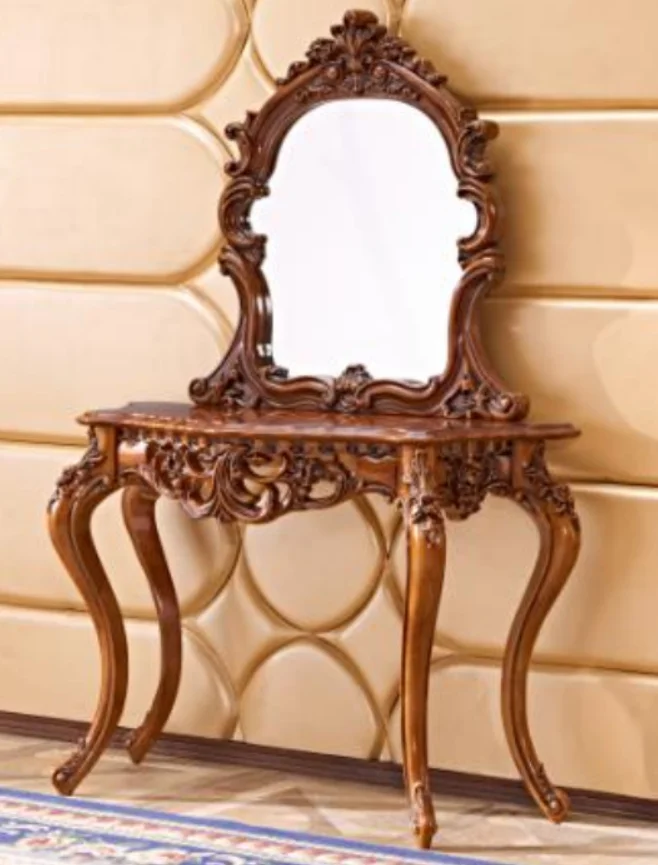
Invest time in high-quality images. Capture multiple angles, focusing on unique features and craftsmanship. Natural lighting can enhance the allure of each piece, making your listing stand out.
Craft compelling descriptions. Highlight materials, craftsmanship techniques, and the history of the design. Narratives that connect potential buyers to the storytelling aspect of the pieces can create interest.
Utilize social media platforms to reach a wider audience. Posting on platforms like Instagram can showcase aesthetics and draw in potential customers who appreciate aesthetic value.
Engage with relevant online communities. Joining forums or groups of enthusiasts can open channels for discussion, allowing for the sharing of pieces and increasing visibility among interested buyers.
Consider staging furniture in an appealing setting. Create an inviting atmosphere that allows potential buyers to envision the items in their own homes.
Offer personalized consultations for interested buyers. Sharing insights and addressing questions directly can foster a stronger connection, making it easier for individuals to commit to a purchase.
Understanding Stickley Furniture’s Value and Market
Assess the intrinsic worth of these pieces by examining their construction quality, materials, and historical significance. Each item crafted by this iconic brand reflects craftsmanship that endures through generations. Solid wood, intricate joinery, and hand finishes contribute to its high resale value.
Research current market trends through platforms such as auction sites and online marketplaces. Look for comparable items that have recently sold to gauge pricing dynamics. Pay attention to discontinued models or limited editions, as these often command higher prices among collectors.
Condition and Provenance
Evaluate the condition of each piece diligently. Minor wear and tear can impact value, while well-maintained items tend to attract more buyers. Collect documentation, such as original receipts or authenticity certificates, which can enhance the appeal and estimate of an item.
Target Audience Insights
Identify your target demographic by considering collectors, design enthusiasts, and those looking for heirloom quality pieces. Tailor your marketing strategies to highlight the historical context and craftsmanship. Engaging with online communities dedicated to American Arts and Crafts furniture can also expand your reach.
Preparing Your Stickley Furniture for Sale
Clean each piece thoroughly using a non-abrasive cleaner suitable for wood. Dust and dirt can obscure details and diminish appeal. Pay special attention to joints and crevices, as these often collect grime.
Assessing Condition
Inspect every item for scratches, dents, or stains. Note areas that may require repair or refinishing. Minor blemishes can often be fixed with polishing or touch-up markers, while significant damage might need professional restoration.
Documenting Details
Gather information on each item, including original purchase receipts, care instructions, and any certificates of authenticity. High-resolution photographs showcasing different angles, close-ups of unique features, and any distinguishing marks are also beneficial. This documentation enhances credibility and can help justify pricing.
Choosing the Right Selling Platform for Stickley Furniture
Focus on platforms that cater specifically to high-quality, artisan-crafted items. I recommend starting with specialized antique and vintage marketplaces like 1stdibs or Chairish, where the target audience appreciates the craftsmanship and history of these pieces.
Consider using social media platforms, particularly Facebook Marketplace and Instagram. These channels allow for visual storytelling, letting you showcase the beauty and unique characteristics of your items. Use high-quality images and engaging captions to attract potential buyers who value aesthetics.
For a broader reach, utilize general online marketplaces such as eBay or Craigslist. Ensure you provide detailed descriptions and competitive pricing to stand out among a larger pool of listings.
It’s beneficial to join local or regional antique groups on websites or forums. These communities often have members who are passionate about acquiring quality pieces and can lead to quicker sales.
Don’t overlook the power of consignment shops. They can take a portion of the sale but often have established clientele who trust them for curated selections of quality items.
Evaluate each platform’s fees and user demographics to ensure maximum visibility and return. The right choice can significantly enhance your success rate in moving these distinguished pieces.
Pricing Your Stickley Furniture Competitively
I recommend researching similar items in your local market and online platforms before setting prices. Look at auction sites, classified ads, and specialty shops for comparable pieces to gauge current demand. Note the condition, age, and unique features of each item, as these can significantly impact value.
Using a pricing strategy based on a percentage off the retail value aids in attracting buyers. For example, consider pricing items at 50-70% of the original retail price for pieces in good condition. For rare or nearly new items, a higher percentage may be justified.
Consider seasonal trends; certain times of the year may see increased interest in high-quality artisan pieces. Aligning your pricing with these trends can enhance appeal.
Utilizing tools like online valuation guides or appraisals can provide additional insights. Many organizations and websites offer free or low-cost appraisals to help you understand what buyers are willing to pay.
Finally, be prepared for negotiation. Setting your price slightly above your minimum acceptable amount can give you room to maneuver during discussions with potential buyers. Always communicate the value and craftsmanship inherently tied to these quality items, emphasizing their investment potential.
Writing Appealing Descriptions for Stickley Listings
Focus on specific features and craftsmanship. Highlight the unique wood species used, such as quartersawn oak, and describe the quality of joinery and finishes. Mention special techniques, like hand-planed surfaces or tenon and mortise joints.
- Detail the condition: Discuss any imperfections or restorations with transparency. Buyers appreciate honesty.
- Dimensions matter: Clearly state measurements, including height, width, and depth. Include essential space requirements.
- Emphasize historical significance: If applicable, mention the era or collection, providing context that enhances appeal.
Utilize sensory language that enables potential buyers to envision the piece in their own home. Describe the way light reflects off the wood grain or the comfort of the upholstery.
- Create a story: Offer insight on how the item fits into a lifestyle or an aesthetic, helping buyers imagine their lives with it.
- Utilize keywords: Incorporate relevant terms that potential buyers are likely to search for, enhancing visibility.
- Be concise: Keep it direct, avoiding fluff while ensuring you cover all key attributes.
Finish with a compelling call to action, encouraging prospective buyers to reach out with queries or to schedule a viewing. Make the listing inviting and engaging, reflecting the quality of the piece itself.
Photography Tips for Showcasing High-Quality Furniture
Utilize natural light for capturing images; it’s often the best way to highlight the craftsmanship and details. Position your items near windows or in well-lit areas, avoiding harsh shadows.
Focus on Details
Get close-up shots of unique features such as joinery, grain patterns, and finishes. Potential buyers appreciate seeing the quality up close. Consider taking pictures of any distinguishing marks, labels, or history that resonate with collectors.
Staging for Impact
Arrange your pieces in an appealing setting. Use neutral backdrops and limit clutter to keep the focus on the items. Incorporating complementary accessories like rugs or decorative items can enhance the visual narrative without distracting.
| Tip | Details |
|---|---|
| Use Natural Light | Avoid flash; it can distort colors and textures. |
| Highlight Unique Features | Capture close-ups of craftsmanship and details. |
| Explore Different Angles | Showcase the piece from multiple perspectives, including height views. |
| Consistent Background | Avoid distractions; a simple backdrop ensures the focus remains on the item. |
| Edit Thoughtfully | Adjust brightness and contrast while keeping images true to life. |
Experiment with various compositions–some items may look better in profile, while others shine when shown at an angle. A diverse array of images gives a comprehensive view that aids potential buyers in visualizing the piece in their own space.
After-Sale Considerations and Customer Engagement
Maintain communication with buyers post-purchase for a lasting relationship. Send a thank-you note expressing appreciation for their trust in my pieces.
- Offer assistance with care and maintenance, sharing tips specific to the materials used in the creation.
- Encourage feedback. Request reviews or testimonials to enhance trust for future acquisitions.
Provide information on events or exhibitions relevant to craftsmanship to engage further. This positions me as a knowledgeable resource in their journey.
- Consider follow-up emails a week after delivery to ensure satisfaction.
- Invite them to share photos of their acquisitions in their space, fostering community and connection.
Having a rewards program can motivate repeat purchases. Offer discounts on future acquisitions or exclusive previews of new arrivals.
Being open to answering any queries will help build rapport, making customers feel valued and heard.


