
 Caleb Turner
I recommend utilizing non-slip pads designed specifically for outdoor seating. These pads can be placed directly under each cushion, providing a firm grip that prevents sliding.
Additionally, consider using ties or clips that can attach the cushions to the frame. For a straightforward approach, sew or attach Velcro strips to both the bottom of the cushions and the corresponding areas of the seating structure. This method enhances stability without compromising aesthetics.


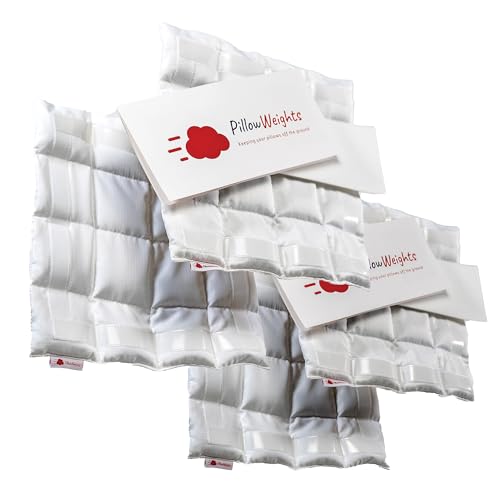
If your setup experiences frequent wind or movement, using weighted inserts within the cushions can help keep them firmly in place. Look for products specifically designed for this purpose, ensuring they are water-resistant for outdoor conditions.
Methods to Keep Pillows in Place on Rattan Seating
To prevent shifting, I use Velcro strips. Attach one side to the seat and the other to the bottom of the pads. This method ensures stability while allowing for easy removal during cleaning.
Utilizing Ties for Anchoring
I often find that incorporating fabric ties enhances hold. These can be sewn into the corners of each pad and looped around the arms or back of the seating unit. Using durable material helps withstand outdoor elements.
Weighted Options for Stability
Adding weights to the corners is another approach I recommend. Fill pouches with sand or use small weights that can be discreetly placed inside the cushioning. This technique effectively combats wind and movement.
Finally, consider non-slip pads designed for indoor use. They can be cut to size and placed underneath, creating friction that holds everything in place without damaging surfaces.
Choosing the Right Fastening Method for Wicker
Selecting an appropriate fastening technique is crucial for maintaining the integrity of your seating pieces. Here are several methods that I have found effective:
- <strong.Straps: Using fabric straps with Velcro or buckles can secure the cushions seamlessly. These can be discretely threaded around the seat frame, providing stability while being easy to remove for cleaning.
- <strong.Ties: Attaching ties to the corners of the padding allows for a snug fit. By looping these ties around the chair’s structure, I ensure that everything stays firmly in place, even with frequent usage.
- <strong.Non-slip Pads: Placing non-slip pads under cushions can enhance grip. These pads prevent any sliding, particularly on smooth surfaces, giving me peace of mind when using the seats.
- <strong.Buttons: For a more decorative approach, sewing buttons to the cushions and corresponding holes on the seating can provide a unique aesthetic while keeping the items anchored.
- <strong.Snap Fasteners: Installing snap fasteners can offer a quick-release mechanism while still ensuring that the seat covers stay put when in use.
Experimenting with these methods can lead to a personalized solution that meets both functional and design preferences. Remember to consider the climate and the frequency of use when making your selection.
Using Tie-Downs to Hold Cushions in Place
I recommend using strong tie-downs crafted from durable materials to keep seat pads securely anchored. Select those with adjustable straps that allow for flexibility depending on your seating arrangement. Look for models featuring quick-release buckles for easy removal during cleaning or seasonal storage.
When attaching these fasteners, I typically loop them through the corner of each pad and securely attach them to the frame. This method not only prevents shifting but also helps reduce wear and tear on the fabric. For an added layer of security, consider combining tie-downs with non-slip mats placed underneath the pads, creating a stable foundation.
Additionally, adjustable designs enable you to customize the tightness for optimal comfort. I find that tie-downs with extra padding can prevent damage to the weave, preserving the overall aesthetic of the seating. This approach has proven to be reliable during outdoor gatherings or windy days, ensuring that everything stays in place regardless of conditions.
Investing in quality tie-downs contributes to the longevity and appearance of your set-up, making it a worthwhile addition for anyone aiming to maintain an organized and visually appealing space.
Benefits of Velcro Strips for Cushion Security
Utilizing Velcro strips significantly enhances the stability of your pads. This method provides a reliable grip, ensuring that the pieces remain in place, even during gusty winds or frequent use. The adhesion creates a sturdy bond without compromising the aesthetic appeal of the décor.
Ease of Use
Applying Velcro strips is a straightforward process that requires minimal tools. Simply attach one side to the base and the other to the underside of the comfort layer. This allows for simple removal during cleaning or storage. The hook-and-loop design ensures a firm hold yet enables effortless detachment when needed.
Durability and Maintenance
These fastening options are designed to withstand wear and tear, making them a long-lasting choice. They are resistant to moisture and easy to clean, maintaining their performance over time. By integrating these strips, one benefits from both functionality and longevity without frequent replacements.
| Feature | Benefit |
|---|---|
| Strong Adhesion | Prevents sliding and shifting. |
| Simple Application | No complex tools required. |
| Moisture Resistant | Durable in various weather conditions. |
| Easy to Clean | Maintenance is quick and hassle-free. |
Creating Custom Cushion Covers with Built-In Fasteners
To ensure a snug fit for my outdoor seating pads, I opted for custom covers featuring integrated fastening systems. This approach not only enhances stability but also elevates the overall aesthetic. Here’s the process I followed:
- Select the Fabric: I chose a weather-resistant material that complements my existing décor. Options like outdoor polyester or canvas are durable and relatively easy to clean.
- Measure Accurately: Using a tape measure, I took precise measurements of the seating area, accounting for any curves or angles. This step is crucial for achieving the perfect fit.
- Incorporate Fasteners: I integrated various fastening options into the covers:
- Hook and Loop Strips: These provide a stronghold and make it easy to remove the covers for washing.
- Button and Loop Closures: This method adds a decorative touch while securely holding the cover in place.
- Ties: Straps with ties allow me to customize the tension, ensuring the pads stay firmly attached.
- Stitching Technique: I utilized a sewing machine with a heavy-duty needle and thread, reinforcing seams to withstand outdoor conditions.
- Test Fit: After completing the covers, I placed them on the pads to ensure a snug and secure fit, making adjustments as needed.
This custom solution not only keeps my seating pads anchored but also adds a tailored look that matches my style. Creating these covers was a practical decision yielding both functionality and visual appeal.
Utilizing Weights to Prevent Cushion Movement
One practical solution involves using weights to stabilize items on outdoor seating. Consider adding small weights, such as sandbags or specially designed cushion weights, to the corners of the upholstery. This approach effectively minimizes shifting during use or in windy conditions.
Another option is to integrate heavy-duty magnets into the seating surface. These can attach to metallic parts of the underlying structure, ensuring that the padding remains fixed in position. This method is particularly useful for metal-framed lounges and chairs, as it allows easy removal for cleaning.
For a DIY method, attaching PVC pipes filled with sand along the edges of the textile can create an unobtrusive barrier against movement. This can be concealed beneath the material and provides the added benefit of being adjustable based on specific needs.
When arranging the items, consider distributing the weights evenly across the base, which helps to create a balanced look while ensuring that every part remains in place. This balance prevents unwanted rotation or lifting, especially during active use.
For an added layer of effectiveness, complement weights with a textured fabric that increases friction against the surface. The rougher material can enhance grip, working alongside the weights to hold everything securely.
Maintaining Cushion Position with Non-Slip Mats
I recommend using non-slip mats as a simple yet effective solution to keep soft seat pads in place. These mats are designed to create friction between the surface and the items placed on them, which helps to prevent slippage.
Select a mat manufactured from rubber or silicone as they offer superior grip, especially in outdoor settings. Ensure the size of the mat is slightly smaller than the cushion to allow for proper edge coverage without being visible.
Before placing the mat, clean the surface where it will be laid to ensure maximum adherence. An unclean surface can diminish the effectiveness of the non-slip property.
For added stability, consider mats with a textured surface, as they provide additional grip against movement. Moreover, non-slip mats are often lightweight and portable, making them easy to reposition or remove as needed.
Be mindful of indoor and outdoor usage. Some mats are specifically designed for outdoor conditions to withstand moisture and UV exposure, thus maintaining their grip over time.
Integrate this approach into your setup for a practical and straightforward way to keep your seating elements in their designated spots, enhancing the overall longevity and appearance of your arrangement.
Seasonal Care Tips for Secured Cushions
Regular maintenance of secured seat pads prolongs their lifespan. At the start of the colder months, consider bringing them indoors to avoid damage from moisture and freezing temperatures. I take care to store them in a dry place, preferably wrapped in breathable fabric to prevent mildew.
In the spring, after reintroducing the pads, I assess them for wear and tear. Any signs of fading or fraying are addressed immediately, either through repair or replacement. I recommend using a gentle detergent and lukewarm water for cleaning, followed by thorough air drying to preserve colors and materials.
During the summer, keeping them out of direct sunlight can help maintain their vibrancy. I find shade solutions like umbrellas or canopies effective in reducing sun exposure. If the weather forecast indicates rain, I cover them with waterproof tarps.
Autumn brings leaves and debris; I regularly check for accumulation and clean promptly to avoid stains or mildew. A vacuum with an upholstery attachment works wonders for quick cleanups. Additionally, I use protective sprays to resist water and stains, making maintenance easier. Checking for any loose attachment points is essential to ensure that everything remains in place throughout the changing seasons.


