Caleb Turner

To ensure the longevity of your handmade items crafted from aquatic plants, I recommend applying a high-quality sealant. This not only enhances the appearance but also provides a barrier against moisture and potential damage. Choose a waterproof finish specifically designed for natural fibers; this is key to maintaining the integrity of your pieces.
Prepare the surface by cleaning it thoroughly, removing any dust or debris. Light sanding can help create a better adherence for the sealant. Once ready, apply the product evenly with a brush, ensuring you cover every nook and cranny. Follow the manufacturer’s instructions regarding drying times and the number of coats needed to achieve optimal protection.
Regular maintenance is critical; reapply the sealant annually to preserve the beauty and function of your creations. This approach not only safeguards against wear and tear but also enhances the natural textures and colors, allowing you to enjoy your unique items for years to come.
Sealing Techniques for Aquatic Plant Creations
I recommend applying a high-quality marine-grade varnish. This type of finish provides excellent protection against moisture and enhances the natural beauty of the weave.

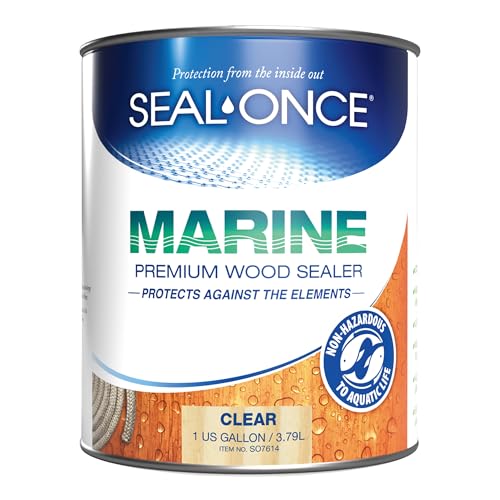

Before starting, ensure the surface is clean and dry. Lightly sand the item to promote adhesion of the varnish. Wipe down with a damp cloth to remove any dust, then allow it to dry completely.
Using a brush or a spray, apply the first coat evenly. I prefer using a foam brush as it avoids leaving brush strokes. Give it about 6-8 hours to cure, then lightly sand again. This step helps create a smooth finish. Wipe away any dust before applying the next coat.
Plan on applying at least two to three coats for optimal protection. Each subsequent coat enhances durability. Once the final coat is applied, allow it to cure fully for 24-48 hours before exposing it to moisture.
For an added layer of defense, consider using a waterproof sealant along with the varnish. This combination allows for additional water resistance, especially if the piece will be used outdoors or in humid environments.
Regular maintenance is key. Inspect the surface periodically for wear and reapply the protective coats as necessary to keep it looking pristine.
Choosing the Right Sealant for Water Hyacinth
For optimal protection of your natural creations, I recommend using a water-based polyurethane. This option dries clear and provides a durable finish, safeguarding against moisture while allowing the unique texture of the plant material to shine through.
Key Features to Look For
- Water Resistance: Ensure the product offers excellent resistance against water damage, essential for maintaining the integrity of the fibers.
- Non-Yellowing: A clear finish should remain transparent over time, preventing any alteration to the appearance.
- Low VOC: Selecting a low volatile organic compound option is beneficial for indoor air quality, making it safer for home environments.
Application Tips
- Lightly sand the surface before application to enhance adhesion.
- Apply the sealant evenly with a foam brush to avoid streaks.
- Allow adequate drying time between coats for a robust finish.
Consider consulting product specifications to ensure compatibility with the natural fibers. This attention to detail will help enhance the durability and beauty of your artisanal pieces.
Preparing Your Water Hyacinth Furniture for Sealing
Begin with a thorough cleaning to eliminate dust and grime. I use a soft brush or cloth dampened with a mild soap solution to gently wipe surfaces. This step ensures that the material is free from any contaminants that could affect the adhesion of the coating.
After cleaning, I allow the piece to dry completely in a well-ventilated area. Moisture can hinder the effectiveness of the protective coating, so I check carefully for any damp spots.
If the item has been previously treated, I lightly sand the surface with fine-grit sandpaper to promote better bonding. This process helps in creating a smoother finish and removes any uneven areas from previous applications.
Once sanded, I wipe down the surface again with a damp cloth to clear away any dust created from sanding. Ensuring a clean canvas is crucial for optimal results.
For intricate designs or areas that are hard to reach, I utilize a small brush to ensure every nook is well prepped. By being meticulous, I set the stage for uniform coverage from the sealant.
This careful preparation involves patience but guarantees the best outcome when applying the protective layer. Each step contributes to the longevity and durability of the creation.
Cleaning Techniques Before Applying Sealant
Prepare the surface thoroughly by removing dust and debris using a soft brush or vacuum with a brush attachment. This ensures no particles interfere with the bonding process.
Next, create a gentle soapy solution using mild dish soap mixed with warm water. Using a soft cloth or sponge, wipe down all surfaces to eliminate oils and grime. Avoid soaking the material; instead, work with damp cloths to prevent water absorption.
Rinsing and Drying
Rinse the surfaces with a clean, damp cloth to remove any soap residue. Ensure that no moisture remains by letting the item air dry completely in a well-ventilated area. Moisture can compromise the effectiveness of the following coatings.
Inspection for Damage
After drying, inspect for any signs of mold, mildew, or damage. If any weak spots are found, repair them using appropriate materials before proceeding with the protective treatment. This step guarantees longevity and appearance in the long run.
Step-by-Step Application of Sealant
Begin by ensuring the workspace is well-ventilated to avoid inhaling fumes from the product. Choose a suitable applicator based on the texture of the material–use a paintbrush, foam brush, or spray for even distribution.
Materials Needed
- Sealant
- Applicator tool
- Protective gloves
- Drop cloths or newspapers
- Masking tape
Application Steps
- Lay down drop cloths to protect your workspace and surrounding areas from unintentional spills.
- Prepare your applicator by pouring a small amount of the sealing agent into a clean container.
- Begin applying the product in a uniform layer, starting from one end and working your way to the other. Ensure even coverage, particularly in crevices.
- For intricate designs, use a smaller brush to reach tight spots effectively.
- Allow the first coat to dry completely, following the manufacturer’s recommended drying time, typically 1 to 2 hours.
- Inspect the surface after drying. If needed, lightly sand any rough patches before applying a second coat.
- Apply a second layer similarly, ensuring thorough but gentle coverage.
- Once the final coat dries, review for any missed spots and touch up as necessary.
Ensure everything is cleaned up properly post-application, storing excess product for future use. Proper disposal of any rags or materials that might have absorbed sealant is crucial to avoid fire hazards.
Drying Time: How Long to Wait Between Coats
After applying the first layer of finish, I usually check the manufacturer’s recommendations for drying times. These can vary significantly based on the product used, but generally, I wait between 2 to 4 hours before applying the next coat.
Factors such as humidity and temperature can influence drying durations, so I keep an eye on the conditions in my workspace. In cooler environments with high humidity, it might take longer. Conversely, in warm, dry locations, the time might shorten. To ensure optimal results, I make it a practice to test the surface with my finger; if it feels tacky, I’ll hold off on the next layer.
Here’s a quick reference table for drying times based on different sealant types:
| Sealant Type | Drying Time Between Coats |
|---|---|
| Water-based | 2-3 hours |
| Oil-based | 4-6 hours |
| Polyurethane | 3-4 hours |
| Acrylic | 2-3 hours |
| Varnish | 4-8 hours |
For maximum durability, I often wait 24 hours after the final coat before using the item. This ensures that the finish is fully cured and provides long-lasting protection against damage or wear.
Tips for Best Results When Sealing
Prior to applying any coating, ensure you conduct a small test on an inconspicuous area. This lets you observe how the natural material reacts with the chosen product, preventing unexpected results on visible surfaces.
Temperature and Humidity Considerations
Apply the protective layer in a space where temperature and humidity levels are optimal–ideally between 60°F and 80°F (15°C to 27°C) with low humidity. This reduces the risk of bubbles and ensures even application.
Avoiding Common Mistakes
Don’t rush the process; allow ample drying time between each layer. Apply thin coats instead of one thick layer to achieve better adhesion and a smoother finish. Additionally, use a high-quality brush or spray for even distribution, minimizing streaks and drips.
Regularly check for missed spots or areas that need more product, and be consistent in your approach. This attention to detail enhances durability and aesthetic appeal, ensuring your pieces last longer and maintain their charm.
Maintenance Tips for Sealed Water Hyacinth Furniture
Regular dusting with a soft, dry cloth prevents buildup that can scratch surfaces. Use a microfiber cloth for the best results.
For deeper cleaning, lightly dampen the cloth with a mixture of water and a gentle soap. Scrub gently to avoid damaging the protective layer. Always follow up with a dry cloth to remove any moisture.
Avoid placing items directly on the surfaces without coasters or protective pads to prevent scratches or indentations. Choose pads crafted from felt or cork for optimal protection.
Keep your pieces out of direct sunlight and away from heat sources to prevent fading and drying that can compromise the finish. Ideal placement should ensure even ventilation.
To maintain the integrity of the seal, consider reapplying a compatible topcoat every couple of years. This preserves the protective barrier against moisture and dirt.
For any stains, act quickly. Blot liquids immediately and use a mild cleaning solution as needed. Rubbing can spread stains and damage the finish, so always dab gently.
| Maintenance Task | Frequency | Tools Needed |
|---|---|---|
| Dusting | Weekly | Soft, dry cloth |
| Deep Cleaning | Monthly | Water, gentle soap, microfiber cloth |
| Coaster Usage | Always | Coasters |
| Sunlight Protection | Ongoing | None |
| Seal Reapplication | Every 2 years | Compatible sealant |
| Stain Treatment | As needed | Cleaning solution, soft cloth |
Signs That Your Sealant Needs Reapplication
Inspect the surface regularly for signs of wear. If you notice a dull appearance or loss of sheen, it may be time to apply a fresh coat. Additionally, look for discoloration or areas that appear faded; these indicate that the protective layer has diminished.
Water Absorption
Perform a simple water test. If droplets sink into the material rather than bead up, the barrier has weakened, signaling the need for a new application to prevent damage.
Cracks or Peeling
Check for any cracks, peeling, or chipping on the surface. These flaws not only affect aesthetics but also expose the underlying fibers to moisture and dirt, necessitating immediate reapplication of the protective coating.
Common Mistakes to Avoid When Sealing
Skipping thorough cleaning is a frequent mistake. Residues from dust, dirt, and oils can prevent proper adhesion of the protective product.
Applying the wrong type of protective product is another pitfall. Always consult product specifications and ensure compatibility with the natural fibers.
Rushing the drying process can lead to imperfect results. Wait for the designated drying time, and avoid layering too quickly, as this can create an uneven surface.
Top Mistakes to Watch Out For
- Not testing the protective product on a hidden area before full application.
- Ignoring manufacturer instructions regarding temperature and humidity during application.
- Over-saturating the material with too much of the protective liquid, which can cause bubbling or peeling.
- Neglecting to apply multiple thin layers instead of one thick application.
Final Tips
Using insufficient ventilation while working can trap moisture, leading to potential issues. Ensure the area is well-ventilated to allow the product to cure properly.
Lastly, skipping maintenance checks can result in unnoticed damage. Regularly inspect the surface for signs of wear and address them promptly to extend the life of the treatment.