
 Caleb Turner

The best way to ensure durability for designs applied to surfaces is by using a clear coat. For optimal results, I recommend selecting a high-quality polyurethane sealer. Before application, make sure your design is completely dry; otherwise, moisture can cause bubbling.
To apply the sealer, use a clean, soft brush or a spray can for an even finish. Start with a light coat, allowing it to dry thoroughly before adding additional layers. Typically, two to three coats are necessary for adequate protection. Remember to sand lightly between coats to enhance adhesion and prevent a rough texture.
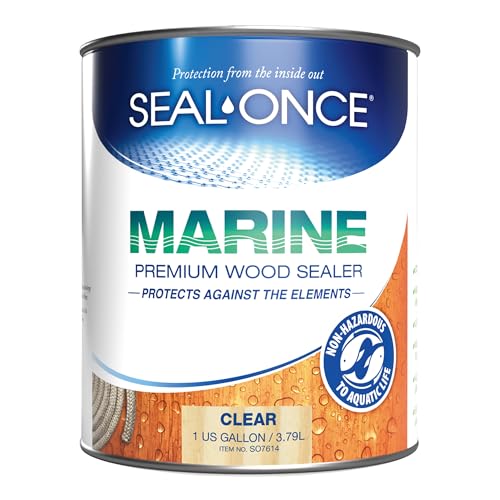


After the final layer, it’s best to let your item cure for a few days to ensure full hardness. This step is vital if the item will be used or exposed to moisture. For maintenance, I recommend using a damp cloth for cleaning and avoiding abrasive materials that could scratch the finish.
Sealing Techniques for Artwork on Surfaces
Choose a polyurethane-based topcoat for maximum durability. Apply it with a high-quality brush or spray for an even finish. Ensure the surface is clean and dry before application. Lightly sand the area if roughness is present, and dust off the particles. This creates a better bond.
Application Process
Begin with a thin layer; let it dry thoroughly as per the product instructions, typically 4-6 hours. Lightly sand the first coat with fine-grit sandpaper for a smooth surface. Repeat the process for additional coats–2-3 coats are often recommended for sufficient protection. Be cautious not to over-saturate, as this can lead to discoloration.
Final Touch and Curing
After the final coat, allow the craft to cure for at least 24 hours before use. This ensures the product has fully hardened, providing optimal protection against wear and tear. Avoid placing heavy objects on it during this time to maintain the integrity of the surface.
Choosing the Right Sealer for Furniture Transfers
Select a water-based polyurethane for a clear finish that maintains the vibrancy of the design. This option dries quickly and offers strong protection against scratches and fading.
If you prefer a matte look, opt for an acrylic sealer. It provides a soft finish while ensuring the artwork remains visible without gloss.
For additional durability, consider a spray-on lacquer. This choice forms a robust barrier, ideal for high-traffic pieces, though it may require multiple coats for complete coverage.
Evaluate the VOC content; low-odor options are advisable for indoor use. Always test the selected coating on a small area to confirm compatibility and desired appearance.
Be aware of drying times between applications, allowing each coat to cure properly to achieve optimal adhesion and durability.
Choosing a finish compatible with the underlying material is crucial. For example, wood surfaces may benefit from a different approach compared to metal or glass.
Ultimately, the right coating ensures lasting beauty while keeping the designs intact, enhancing the overall aesthetic of each piece.
Preparing the Surface Before Sealing Transfers
Begin by cleaning the area thoroughly with a soft, lint-free cloth. Use a mixture of mild soap and water to remove any dust, grease, or residue that could interfere with adhesion.
Sanding the Surface
Lightly sand the surface with fine-grit sandpaper to create a smooth base. This step helps enhance the bonding of the protective coat. Ensure you follow the wood grain to avoid scratches or imperfections.
Priming the Area
If working with porous materials, apply a primer to help prevent absorption issues. Choose a product that suits the type of material you are treating. Let it dry completely before proceeding to the next step.
| Surface Type | Recommended Cleaning Method | Suitable Primer |
|---|---|---|
| Wood | Mild soap and water | Oil-based primer |
| Metal | Vinegar or rubbing alcohol | Rust-inhibiting primer |
| Plastic | Isopropyl alcohol | Plastic adhesion primer |
After preparing the surface, ensure it is completely dry and free of dust particles. This attention to detail directly contributes to the durability and appearance of your applied coating.
Step-by-Step Application of the Sealer
Ensure the workspace is well-ventilated to avoid fumes. Gather the necessary materials: your chosen protective coat, a clean brush or sponge applicator, gloves, and a clean cloth for any spills.
-
Begin by shaking the protective coat container thoroughly. This helps to mix any settled materials and guarantees an even application.
-
Using a clean brush or sponge, dip it into the protective substance. Remove excess product to avoid drips and ensure an even coat.
-
Starting from one edge, apply the coat in long, smooth strokes. Follow the natural grain of the wood or surface design, ensuring that the product is applied evenly.
-
Pay special attention to the edges and corners. Use a smaller brush or sponge if necessary to reach these areas effectively.
-
After covering the entire area, inspect it for any missed spots or drips. If necessary, touch up these areas carefully.
-
Allow the applied layer to dry completely according to the manufacturer’s instructions. This may take several hours, depending on the product.
-
Once the first layer is dry, lightly sand the surface with fine-grit sandpaper. This creates a smooth base for the next layer.
-
Wipe the surface with a clean, dry cloth to remove any dust from sanding.
Trending Now US Art Supply Foam Brush Set - 600-PackPerfect for smooth and even paint applicationThis bulk foam brush set features a unique foam blend that absorbs paint and minimizes drips, ensuring a flawless finish. Designed for various paint types, it's a must-have for any DIY project.
-
Repeat the application for additional layers as needed. Two or three coats typically provide adequate protection.
-
After the final application, allow the substance to cure fully before using the item. Refer to the product guidelines for curing time.
Test the durability by lightly scratching the surface after complete curing. This ensures that the item is well-protected.
Best Techniques for Even Sealant Coverage
To achieve a uniform application of protective coating, I recommend using a foam brush. This tool allows for smooth strokes and minimizes the appearance of bubbles.
Here are some specific techniques for optimal results:
- Thin Layers: Apply in thin, even coats. Rushing leads to drips and uneven areas. Multiple light applications cure better than a single heavy one.
- Consistent Pressure: Maintain consistent pressure on the brush during application. This helps in spreading the coating uniformly and avoiding patches.
- Use a Roller: For larger surfaces, a small foam roller can provide faster coverage while ensuring a smooth finish. It helps in evenly distributing the material.
- Cross-Hatching Technique: When applying with a brush, use a cross-hatching pattern. Start by going one direction, then follow with perpendicular strokes for even distribution.
- Drying Time: Allow each coat to dry fully before applying the next. Follow manufacturer instructions for drying times to ensure adhesion.
- Inspect Frequently: Regularly check your work under good lighting. This helps identify any uneven spots or bubbles that may need touch-ups.
By applying these techniques thoughtfully, I ensure a durable and aesthetically pleasing finish on my projects.
Common Mistakes to Avoid When Sealing Transfers
Avoid applying too thick a layer of finish. A heavy coat can lead to dripping or uneven surfaces. Instead, opt for multiple thin applications to achieve a smooth finish.
Ensure surfaces are completely clean and dry before starting. Residue such as dust or oils can interfere with adherence and ruin the final look. Wipe down areas using a suitable cleaner and allow adequate drying time.
Do not rush the curing time. I’ve found that following manufacturer recommendations for drying can significantly enhance durability. Skipping this step can weaken the results and lead to premature wear.
Be mindful of the type of application tool used. Brushes may leave streaks, while rollers can cause bubbles. Experimenting with different options can help pinpoint what works best for particular designs.
Avoid using incompatible products. Some finishes do not bond well together, leading to issues with longevity. I recommend checking product compatibility before proceeding.
Keep an eye on the environmental conditions during application. High humidity or extreme temperatures can impact the drying process. Ideal conditions are crucial for achieving a flawless outcome.
Don’t overlook regular maintenance post-application. Even the best finishes require care. Cleaning and preserving surfaces appropriately will prolong their life.
Drying and Curing Time for Different Sealers
For optimal results, I pay attention to the drying and curing times of various coatings. The timeline significantly influences the durability and appearance of the finish. For instance, water-based polyurethane usually dries in about 2 to 4 hours but requires a full cure of 24 hours. In contrast, oil-based options can take 6 to 8 hours to dry and may require up to 30 days for complete curing.
Fast-Drying Options
If speed is a priority, I choose acrylic sealers. These typically have a drying time of 1 to 2 hours and cure fully within 7 days. It’s important to apply in thin layers to achieve the best adhesion and surface integrity.
Environmental Factors
Humidity and temperature can affect these times. Higher humidity prolongs drying, while warmer temperatures speed up the process. I always adjust expectations based on my work environment, ensuring that I allow adequate time regardless of the chosen product.
Maintaining Sealed Transfers: Cleaning and Care Tips
Using a soft, lint-free cloth dampened with water is my go-to method for routine cleaning. I avoid using harsh chemicals that can degrade the protective layer. For stubborn stains, a mild soap solution can be effective; I make sure to rinse thoroughly with a damp cloth afterward.
Regular Maintenance Practices
To preserve the integrity of the coating, I dust surfaces regularly using a gentle microfiber cloth. This prevents the buildup of dirt and grime. Additionally, I recommend reapplying a light coat of finish every 6-12 months to enhance protection and restore the surface’s sheen.
Handling and Care Tips
I always use coasters under drinks and avoid direct contact with hot items to prevent damage. When moving or repositioning objects, I lift them instead of sliding, protecting both the sealed design and the underlying material. If I notice any damage, I address it immediately to prevent further deterioration.
Fixing Issues with Sealed Transfers
Addressing problems with your completed designs requires immediate attention to prevent further damage. If you notice peeling or bubbling, I recommend gently applying heat with a hairdryer on low, moving it back and forth to avoid overheating any area. This can help the adhesive bond better without damaging the artwork.
Dealing with Bubbles
For bubbles that form beneath the surface, use a pin to puncture them carefully. Afterward, apply light pressure with a clean, soft cloth to smooth out the area. If the design is intact, a gentle touch may suffice. For larger or multiple bubbles, consider reapplying a thin layer of your protective coating to reinforce the surface.
Fixing Wear and Tear
In case of fading or wear due to cleaning or exposure, I find that touching up with an appropriate paint or varnish can restore vibrancy. Test a small bit in an inconspicuous area first to ensure color matching. Maintain longevity with soft cloths for dusting and avoid harsh cleaners that may deteriorate your protective finish.
If any ink from the original design begins to smudge, applying another layer of your chosen protective layer can encapsulate and safeguard it. Always ensure that the initial layer is fully cured before attempting any further treatment.
Additionally, maintaining controlled humidity levels in the environment will help avoid warping, which can negatively affect your piece over time.
FAQ:
What materials do I need to seal transfers on furniture?
To seal transfers on furniture, you will need several materials. First, gather a decoupage medium or transfer medium specifically designed for use with furniture. Clear acrylic sealer (in spray or brush-on form) is also necessary for added protection. A clean brush or sponge for applying the medium, sandpaper for surface preparation, and a soft cloth for cleaning the furniture before applying the transfer are also recommended. Having these materials ready will ensure a smoother sealing process.
How long should I wait for the transfer to dry before sealing?
It’s best to allow the transfer to dry for at least 24 hours before applying any sealer. This waiting period ensures that the transfer adheres properly to the furniture surface and reduces the risk of smudging or damaging the design. After the waiting period, check if the transfer feels dry to the touch. If any part feels tacky, wait a bit longer to ensure a smooth sealing process.
Can I use a regular varnish instead of a specific transfer medium for sealing?
While it may be tempting to use regular varnish to seal your transfers, it’s not always recommended. Regular varnishes can react with the inks or materials used in the transfer, which may cause discoloration or peeling over time. It’s safer to use a transfer medium or a clear acrylic sealer designed for use on transfers, as these products are formulated to provide better adhesion and protection without damaging the artwork.
Will sealing the transfer make it scratch-resistant?
Sealing the transfer will provide an extra layer of protection and help prevent scratches and wear. However, this does not make the surface completely scratch-resistant. To maintain the appearance of your furniture, it’s advisable to use coasters, avoid placing heavy objects directly on the transfer, and gently clean the surface with a soft cloth. Regular care can help preserve the integrity of the transfer and the furniture beneath it.


