
 Caleb Turner

Applying a protective layer to surfaces with a non-reflective finish requires careful selection of materials. I recommend using a water-based polyurethane, which provides durability without altering the appearance of the underlying color. Look for a product labeled as satin or matte for an ideal finish.
Before you start, ensure the surface is clean and free from dust or grease. I prefer lightly sanding the area with fine-grit sandpaper to promote adhesion, followed by a thorough wipe-down with a damp cloth. This step is crucial–tackiness can ruin the aesthetics if not addressed properly.
Once prepared, gently brush or roll on a thin, even layer of the polyurethane, making sure to follow the manufacturer’s instructions regarding drying times and application techniques. I find that applying multiple thin coats yields the best results. Be sure to allow each layer to dry completely before applying the next. This ensures a smooth and uniform finish that protects while maintaining the original charm of the piece.
Choosing the Right Sealant for Matte Finishes
I recommend opting for water-based polyurethane or acrylic finishes specifically designed for lower sheen surfaces. These products provide a durable barrier while maintaining the desired aesthetic of a non-glossy look.
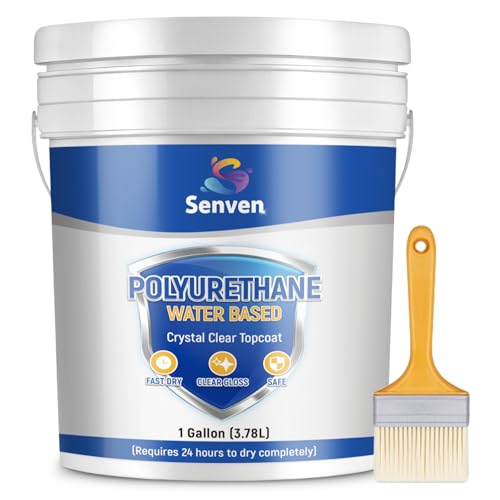

Types of Suitable Sealants
- Water-Based Polyurethane: Offers excellent clarity and durability. It dries clear and maintains the original hue of the base coat.
- Acrylic Sealers: Flexible and user-friendly, these are ideal for DIY projects and can be easily applied with a brush or sprayer.
- Matte Varnish: Available in various sheens, these formulas are designed to protect surfaces without altering their finish.
Application Tips
- Ensure the surface is clean and dry before application.
- Apply in thin, even coats to prevent buildup and maintain a uniform finish.
- Allow adequate drying time between coats, following the manufacturer’s instructions.
- Sanding between layers can enhance adhesion and smoothness.
- Test the product on a small, inconspicuous area first.
This careful selection of coatings will extend the life of your projects and enhance their appearance without compromising the soft finish you desire.
Preparing the Surface Before Sealing
Thoroughly clean the object to remove dust, dirt, and grease. I find that using a damp cloth with a mild soap solution works best. Afterward, ensure the surface is completely dry, as moisture can impede adhesion.
Assessment and Repair
Inspect for imperfections such as scratches or dents. I recommend lightly sanding these areas with fine-grit sandpaper to create a smooth finish. Afterwards, wipe away any dust generated from sanding to maintain a clean surface.
Final Cleaning
Before applying the protective layer, I use a tack cloth to remove any remaining particles. This step ensures that the surface is pristine, enhancing the bonding process of any subsequent application.
| Preparation Step | Description |
|---|---|
| Cleaning | Use a damp cloth with mild soap, then dry completely. |
| Assessment | Check for scratches or dents, sand lightly if found. |
| Final Cleaning | Wipe with a tack cloth to ensure no dust remains. |
Step-by-step application process for sealants
First, gather all necessary tools: a high-quality brush or foam applicator, a clean cloth, and gloves to protect your hands. Ensure your workspace is well-ventilated to facilitate drying.
Next, shake the chosen product thoroughly to achieve a consistent mixture. Dip the brush gently into the sealant, allowing excess to drip off. Begin applying a thin layer in one direction, using long, even strokes to prevent streaks and bubbles.
After covering the entire surface, check for drips or pooling and smooth them out immediately with the brush. Wait for the first coat to dry completely, typically 1-2 hours, but refer to the product instructions for specific drying times.
Apply a second coat, following the same technique as the first. For enhanced protection, a third layer may be advisable, especially for frequently used surfaces. Allow each coat to cure for the recommended duration before using the item.
Finally, clean your brushes and tools with soap and water or the appropriate solvent while the finish is still wet. Once fully cured, enjoy your refreshed item with its enhanced durability.
Tips for achieving a smooth finish
Begin with high-quality tools–invest in synthetic brushes or foam applicators specifically designed for this type of application. These tools help minimize brush strokes and provide a more polished surface.
Ensure the workspace is dust-free. I find that covering surfaces and using tack cloths before application significantly reduces debris.
Thin coats are paramount. Apply multiple light layers instead of one heavy coat. This approach not only enhances drying but also reduces the chance of bubbling.
Consider wet sanding between layers. Use fine-grit sandpaper like 400 or higher, dampening the paper slightly to avoid excess scratching. This technique promotes adhesion and smooths out imperfections.
Manipulate the ambient conditions. I always choose a temperature-controlled environment with low humidity, as this helps prevent uneven drying and enhances the overall appearance.
Lastly, allow ample curing time for each layer before applying the next. Patience in this phase is critical and leads to a more refined end result.
Addressing Common Issues During Sealing
To mitigate bubbling during application, ensure even pressure when using the foam brush or roller. Applying the finish in thin layers also helps prevent excess buildup that can lead to air pockets.
Dealing with Uneven Coverage
If patches appear lighter than others, it may be due to inconsistent application techniques or varying surface conditions. Always test the process on a small area first. For touch-ups, use the same tool that was initially used to apply the coating, ensuring you blend seamlessly with the adjacent areas.
Fixing Streaks and Brush Marks
Streaks often result from applying too much product or inadequate feathering. After the initial layer dries, light sanding can smooth out imperfections. Follow up with a final application using a high-density foam roller for a polished look, reducing the appearance of lines or textured patterns.
Maintenance guidelines for sealed matte furniture
For the longevity of your newly protected surfaces, avoid abrasive cleaners that can scratch the finish. Opt for a soft, damp cloth to wipe down the surfaces regularly. A gentle soap mixed with water is suitable for deeper cleaning without damaging the protective layer.
Ensure to dry the surfaces thoroughly after cleaning to prevent moisture from seeping into the finish. Use coasters and placemats to shield the surfaces from heat and spills, which can compromise the protective coating.
Periodically inspect for any signs of wear or damage. If you notice areas that seem dull or discolored, consider applying a touch-up layer of the appropriate finish. This can help maintain uniformity and enhance durability.
Avoid using harsh chemicals or products containing ammonia, which can break down the protective layer and alter the aesthetic quality. For dust accumulation, a microfiber cloth works best to trap particles without scratching the finish.
In case of stains, address them as soon as possible. Blot the area gently with a damp cloth, then dry it completely. If a mark persists, a light buffing with a fine grade of sandpaper, followed by a reapplication of the protective layer, can restore appearance.
Lastly, consider the environment where the pieces are placed; excess sunlight can fade colors and degrade finishes over time. Use curtains or blinds to limit direct exposure when necessary.
Best practices for long-lasting protection
To maximize durability, I prioritize a thorough surface preparation. This step involves cleaning to remove all dust and residues, ensuring optimal adhesion of the protective layer. Following that, I tend to apply a test patch in an inconspicuous area, verifying compatibility and finish before proceeding further.
Application Techniques
I always apply the chosen product using a high-quality synthetic brush or foam applicator. This approach minimizes streaking and helps achieve a uniform coating. It’s beneficial to work in thin layers; this prevents drips and allows for even drying. I advocate waiting for the first coat to dry completely before adding subsequent layers. The typical waiting time is at least two to four hours, but I check the manufacturer’s instructions for specific guidance.
Final Inspection and Touch-ups
After the last coat dries, I inspect closely for any imperfections. If I notice rough spots or uneven areas, I lightly sand them using fine-grit sandpaper and apply an additional layer in those spots. Regularly checking for wear and performing touch-ups are key to maintaining the protective barrier over time.
For ongoing maintenance, I recommend gentle cleaning with a damp cloth and avoiding harsh chemicals, which can degrade the finish. This practice keeps surfaces looking pristine and extends the life of the protective coating.
FAQ:
What materials do I need to seal matte painted furniture?
To properly seal matte painted furniture, you will need a few key materials. Start with a high-quality polyurethane or water-based sealant specifically designed for furniture. Additionally, you’ll need a clean cloth or sponge for application, a paintbrush or foam brush for larger areas, and sandpaper or a sanding block for surface preparation. It’s also helpful to have painter’s tape if you’re working near edges or intricate details.
Can I use wax to seal matte painted furniture?
Yes, wax can be an excellent option for sealing matte painted furniture. Wax provides a soft sheen, enhancing the texture while also protecting the surface. To apply, ensure the paint is fully cured, then use a clean cloth to rub a thin layer of wax over the surface. Allow it to dry according to the manufacturer’s instructions, and buff it gently to achieve the desired finish. Keep in mind that wax may require periodic reapplication based on wear and use.
How many coats of sealant should I apply to my matte painted furniture?
The number of coats you apply can depend on several factors, including the type of sealant used and the level of protection desired. Generally, two to three coats are recommended for optimal protection. After applying the first coat, let it dry completely, then lightly sand the surface before applying the second coat. This process helps to ensure better adhesion and a smoother finish. Always check the sealant label for specific recommendations on drying times and the number of coats.
Are there any specific techniques for applying sealant to matte painted surfaces?
When applying sealant to matte painted surfaces, use a gentle touch to avoid disturbing the paint. If using a brush, apply a thin, even coat in the direction of the grain to minimize brush strokes. A foam brush can also provide a smooth finish. For spray sealants, maintain a consistent distance to prevent drips and achieve an even coat. Always test the application technique on a small, inconspicuous area first to ensure you’re satisfied with the result.
How do I maintain my matte painted furniture after sealing it?
After sealing matte painted furniture, maintenance becomes crucial to preserve its appearance. Clean the surface regularly with a soft, damp cloth to remove dust and fingerprints. Avoid harsh chemicals or abrasive cleaners, as they can damage the finish. For additional protection, periodically check the sealant and reapply if you notice wear or fading. Keeping the furniture in a stable environment, away from direct sunlight and moisture, will also help maintain its integrity.


