
 Caleb Turner

I recommend selecting a durable fabric that can withstand various weather conditions. This choice not only prolongs the lifespan of your pieces but also enhances their aesthetic appeal. Look for materials like acrylic or polyester, which are known for their resistance to fading and mildew.
Before diving into the project, ensure you have the necessary tools: a staple gun, scissors, and possibly a sewing machine for custom projects. Accurate measurements of the existing cushions or chairs are crucial for a fitting upgrade, so take your time with this step.


Once you have your supplies, begin by carefully removing the old material. This might require some patience, as you want to preserve the underlying structure. Clean and inspect the frames carefully; any rust or damage should be addressed prior to the reupholstering process.
Sprucing up your garden seating is a satisfying task that can be achieved with thoughtful choices and a bit of creativity. By focusing on quality materials and detailed workmanship, the results will speak for themselves, transforming your space into a charming retreat.
Rewebbing Process for Patio Chairs
Begin by gathering necessary materials: durable webbing material, a pair of scissors, a tape measure, and a staple gun with suitable staples. Ensure all tools are in working order.
Measure the existing strips. Cut the new webbing approximately 10% longer than the measured length to secure it properly. Lay out the chair frame and prepare to attach the new strands.
Step-by-Step Installation
Start with the first strip. Position it firmly across the chair. Secure one end with a staple; then stretch the webbing taut before fastening the other end. Repeat this for all horizontal strands, ensuring they’re even.
For vertical strands, weave them through the horizontal ones, maintaining consistent tension. This pattern ensures a sturdy construction for comfort and durability.
Final Adjustments and Tips
Once all strips are installed, examine the tension and adjust where necessary. A properly tightened weave will enhance both the aesthetics and functionality of the seat. Trim any excess webbing to prevent fraying. Lastly, consider treating the new material with a UV protector to prolong its lifespan.
| Material | Measurement Technique |
|---|---|
| Webbing | Length + 10% |
| Staples | Sized for thickness |
Store your tools properly after completing the task, and enjoy your refreshed seating solution.
Choosing the Right Material for Rewebbing
Selecting an appropriate material is pivotal for achieving durability and aesthetics. Here are the best options to consider:
- Textilene: A synthetic fabric that is resistant to fading, mold, and mildew. It’s durable and easy to clean, ideal for heavy-use settings.
- Vinyl: Known for its strength and weather resistance, vinyl is available in various colors and can withstand UV rays well.
- Nylon: This material offers a great balance of strength and flexibility. It’s lightweight and dries quickly, making it suitable for humid climates.
- Polyester: A cost-effective choice that combines resilience with a variety of design options. It’s also water-resistant and suitable for most outdoor conditions.
When making a choice, consider your environment and maintenance preferences:
- Assess the typical weather conditions in your area.
- Determine how much wear and tear the seating will experience.
- Think about the color and design to ensure it complements your existing decor.
Experimenting with samples can also provide insight into the material’s actual feel and look. Ultimately, this will lead to a more satisfying result that meets your practical and aesthetic needs.
Tools Needed for Rewebbing Outdoor Furniture
Before beginning the project, gather the necessary tools to ensure a smooth process. A staple gun is indispensable for securing the new weaving material tightly to the frame. Ensure it’s heavy-duty to handle the tension required for this task.
Measuring Tools
Accurate measurements are crucial. A measuring tape will help you ascertain the dimensions needed for the new webbing. Also, keep a sharp utility knife or scissors handy to cut the material neatly.
Additional Supplies
A sturdy pair of pliers can assist in pulling and stretching the material if needed. Having a hammer may prove useful if the staples need further securing. Consider safety goggles for eye protection during the process and gloves to shield your hands from any sharp edges or materials.
Step-by-Step Guide to Remove Old Webbing
Begin by turning the seating piece upside down to access the bottom where the old material is attached. Ensure you have ample workspace and proper lighting.
- Gather necessary tools: a screwdriver, utility knife, and pliers. These will help in loosen and cut away the existing webbing.
- Carefully detach any staples or fasteners using the screwdriver or pliers. It’s important to work slowly to prevent damage to the frame.
- If the webbing is glued in place, utilize the utility knife to cut through the adhesive. Exercise caution to avoid scratching the frame.
- Once the old material is removed, clean the surface thoroughly. Remove any leftover glue or debris to prepare for new application.
- Inspect the frame for any damage. Repair any issues before proceeding to the next step.
This precise approach ensures a clean slate for applying new material, enhancing both the appearance and durability of the seating unit.
Measuring and Cutting New Webbing Strips
I measure the length of the area that needs new strips with a tape measure, ensuring I account for any curvature or overlapping sections. It’s prudent to add an extra inch to each side for a secure fit during installation. Accurate measurements prevent waste and the need for adjustments later.
Using scissors or a rotary cutter, I cut the new strips from the chosen material. For synthetic options, ensuring clean, straight cuts enhances durability. When cutting fabric webbing, I prefer a dedicated cutting mat to protect my surfaces and achieve precise edges. Always follow the manufacturer’s guidelines for the best results.
Tips for Cutting
I use straight-edge rulers to guide my blade for consistent widths, maintaining the integrity of the strip. Taking my time during this step is crucial; rushing can lead to uneven pieces. If I’m working with thicker materials, a utility knife can provide cleaner cuts than scissors.
Double-Check Measurements
Before cutting all strips, I double-check my initial measurements against the frame. Verifying dimensions ensures that I don’t make unnecessary errors, especially when dealing with multiple pieces. Adjustments should be noted and recalibrated before proceeding.
Techniques for Weaving New Webbing
Begin by laying the new webbing flat and secure it at one end with either tape or a clamp. Ensure that the first strip is taut to avoid sagging during the weaving process.
Basic Weaving Pattern
Adopt a straightforward over-and-under method. First, thread the webbing over the first support, then under the next, alternating as you progress. This creates a consistent and tight weave.
Creating Patterns
For a decorative approach, experiment with variations by incorporating solid and patterned webbing. Change the sequence of threads to create unique designs. This not only adds visual appeal but enhances durability by redistributing pressure points.
| Technique | Description |
|---|---|
| Over-and-Under | Basic weaving method ensuring even distribution and support. |
| Twist Weave | Twisting webbing at specified intervals for enhanced aesthetics. |
| Double Layer | Using two strips simultaneously for added strength and comfort. |
| Diagonal Weave | Weaving diagonally across supports for a unique texture. |
Finish the weaving by securing the loose ends with strong adhesive or by tying knots that prevent unravelling. Regularly check for tightness and adjust as necessary to preserve integrity.
Securing Webbing Ends Properly
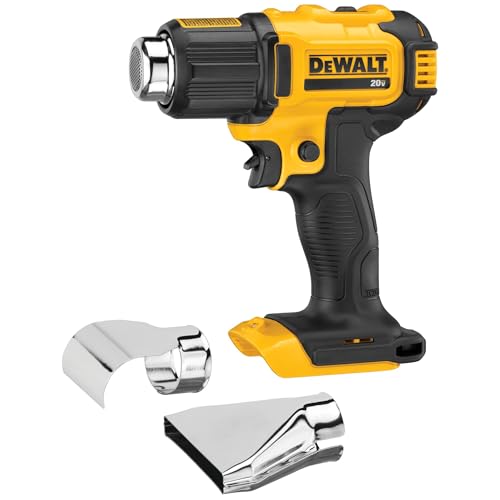
To ensure durability and stability, I use a heat source to seal the ends of the webbing. This prevents fraying, which can undermine the integrity of the material. Simply hold a lighter or a heat gun at a safe distance and melt the edges until they slightly fuse together.
Using Adhesive for Extra Security
I also recommend applying a small amount of strong fabric adhesive at the secured ends. Once the end is melted, press it flat and let the adhesive cure according to the manufacturer’s instructions. This adds an extra layer of security and keeps everything in place over time.
Creating a Neat Finish
For a polished appearance, I trim the webbing to the appropriate length before securing it. This helps maintain a clean line and enhances the overall look of the piece. Using sharp scissors, I cut at an angle for a professional finish.
Finally, I double-check each secured end during the installation process. Ensuring they are properly fastened prevents any future issues and keeps the seating surfaces safe and functional.
Repairing Wood or Metal Frames Before Rewebbing
Inspect all structural components for damage or weakness before proceeding. For wooden frames, look for rot, cracks, or loose joints. For metal frames, check for rust, dents, and ensure all parts are tightly connected.
Wood Frame Repairs
- Use wood glue to reattach any loose joints, applying clamps for stability while drying.
- Sand down any cracked or splintered areas until smooth. Fill larger cracks with wood filler and allow it to cure.
- Finish with a weather-resistant sealant to protect against moisture and UV exposure.
Metal Frame Repairs
- Remove any rust using sandpaper or a wire brush; follow up with a rust-inhibiting primer.
- For bent or dented sections, use a rubber mallet to gently reshape the area back to its original form.
- Tighten all screws and bolts, replacing any that are stripped or corroded.
After completing repairs, ensure the framework is stable and secure to provide a solid base for new webbing. This will enhance durability and extend the lifespan of your project.
Tips for Maintaining Newly Rewebbed Furniture
Regular cleaning is key. I use a mixture of mild soap and warm water with a soft brush to remove dirt and debris from the surface. This prevents buildup that can degrade the material over time.
After washing, I ensure everything dries thoroughly to avoid mold and mildew. If I notice any spots or stains, I treat them immediately with appropriate cleaning solutions.
Inspect the weaving periodically. I look for any signs of wear or loosening. Addressing issues right away can save significant effort later on and keeps everything secure.
For outdoor items, I use a protective cover when not in use, especially during harsh weather. This minimizes exposure to elements that could wear down the materials.
When not in use for extended periods, I store my items in a cool, dry place. If outside is necessary, I elevate them off the ground to avoid moisture from the soil.
If I notice any fading due to sunlight, I apply a UV protectant designed for such materials to help maintain their color and integrity over time.
Finally, I recommend limiting heavy loads on the new webbing, as this can stress the strands and lead to premature wear. Slowly testing the weight capacity can help ensure longevity.
Common Mistakes to Avoid When Rewebbing
Choose the wrong type of material. This not only affects durability but can also compromise the aesthetic appeal. Ensure that the selected fabric is weather-resistant and suitable for outdoor use.
Neglecting Frame Condition
Overlooking the condition of the frame can lead to instability and additional repairs later. Inspect the structure thoroughly before starting the weaving process, making necessary adjustments to wood or metal components.
Incorrect Measurements
Failing to accurately measure the space for new strips can result in excessive tension or slack. Double-check all dimensions before cutting material to ensure a proper fit that promotes comfort and safety.
Improper fastening of the webbing ends can lead to wear and tear. Use reliable methods to secure the ends, preventing unraveling or loosening during use. Regularly inspect these areas after the project to maintain integrity.
Disregarding the weaving technique can affect comfort and aesthetics. Make sure to follow a consistent pattern that not only looks good but also distributes weight evenly. Experiment with different methods on a small piece if uncertain.
FAQ:
What materials are best for rewebbing outdoor furniture?
When rewebbing outdoor furniture, the choice of materials plays a significant role in both durability and appearance. Synthetic materials such as UV-resistant polypropylene and vinyl strap are among the most popular because they withstand the elements and resist fading. Natural fibers like cotton or hemp can also be used but may not last as long in outdoor conditions. Additionally, consider the thickness and width of the straps for comfort and aesthetics. Always check for mildew resistance if you choose natural fibers.
How do I remove old webbing from my outdoor furniture?
To remove old webbing from your outdoor furniture, begin by using a utility knife to carefully cut through the old straps. Take your time to avoid damaging the frame. After cutting, you may need to pry out any staples or fasteners that held the webbing in place. A flathead screwdriver can be helpful for this task. Ensure that you wear gloves to protect your hands from sharp edges. Once the old webbing is removed, clean the frame thoroughly to prepare it for the new webbing installation.
What tools do I need for rewebbing outdoor furniture?
To reweb outdoor furniture, you will need a few essential tools. First, a utility knife for cutting the webbing is necessary. Pliers can help to pull and tighten the webbing during installation. A staple gun or a drill with screws may be required to secure the new straps to the frames, depending on the type of fastening system you choose. Lastly, scissors or a measuring tape will assist in cutting the webbing to the appropriate lengths. Always ensure that your tools are in good condition for a smoother rewebbing process.
How can I ensure the new webbing lasts longer?
To extend the lifespan of the new webbing on your outdoor furniture, consider applying a UV protectant spray designed for plastics. Store the furniture during harsh weather conditions or cover it with protective tarps to minimize exposure to elements that can cause wear. Regular cleaning with mild soap and water can also prevent buildup of dirt and mildew, which can degrade the material over time. Finally, choose high-quality, weather-resistant materials for the best long-term results.


