
 Caleb Turner

Consider removing any existing cushions and giving the woven structure a thorough cleaning with a soft brush and a mixture of mild soap and water. This will help to lift away dirt and dust that may have accumulated over time. Rinse with clean water and allow it to dry completely to prevent mold growth.
Next, if the natural finish appears worn, applying a wood conditioner or a sealant specifically designed for woven accents can bring back the luster. This not only enriches the color but also protects against environmental damage. If you prefer a different look, opt for furniture paint that adheres well to natural materials, considering shades that complement your space’s color palette.
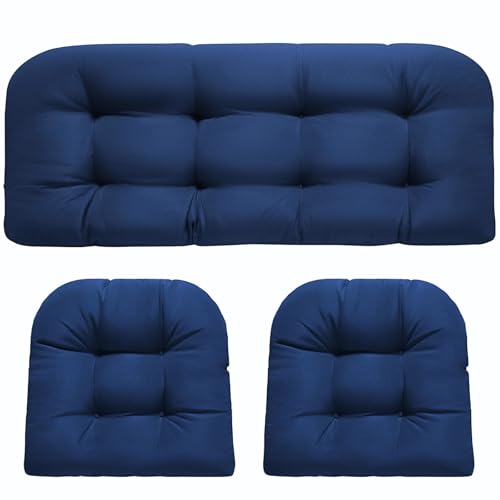


Adding custom cushions can transform the visual appeal significantly. Choose fabrics that are durable and suitable for the intended environment, whether indoors or outdoors. Patterns and colors can match your overall decor theme, instantly creating a fresh atmosphere.
Lastly, don’t underestimate the impact of proper placement. Rearranging these pieces in your home or garden can create a new focal point or enhance the flow of the space. Experiment with different arrangements to find what feels right.
Refreshing Your Wicker Creations
Apply a fresh coat of paint or stain specifically made for natural fibers. Choose colors that complement your existing decor. Ensure proper surface preparation by cleaning and lightly sanding to promote adhesion.
Upholstery Options
Consider reupholstering cushions with outdoor-grade fabric for increased durability. Look for bright or patterned textiles to create a statement piece. Use a staple gun to secure fabric tightly around the cushion, ensuring a smooth finish without wrinkles.
Accessorizing
Add new decorative elements like vibrant throw pillows, and coordinating blankets, or even a protective cover for longevity. Select accessories that reflect your personal style, and enhance the overall aesthetic of the piece.
Assessing the Condition of Your Rattan Furniture
I always begin by closely inspecting the weave for any fraying or breaks. Even small damage can worsen if left untreated. Using a magnifying glass can help identify these issues more easily. Check the joints where pieces connect; loose connections can compromise stability. Tighten screws if they are present, or apply wood glue to loose joints for a stronger hold.
Next, I evaluate the surface for scratches, dents, or discoloration. Light scratches can often be buffed out with fine-grit sandpaper, while deeper scratches may require a touch-up with a matching stain. Test on a hidden area first to ensure color consistency. For water stains, I use a mixture of baking soda and water to create a paste; gently rub it on the affected area and wipe clean after a few minutes.
Inspect for signs of insect damage. Look for small holes or sawdust around the base. If I find any signs of infestation, I treat the area with a suitable insecticide and consider professional help for severe cases.
Next, check the overall structure for any wobbling or instability. If a piece shakes when pressure is applied, tightening joints is a must. If tightening doesn’t help, adding small rubber feet can offer additional stability and prevent sliding.
Finally, assess the overall aesthetic. If the color has faded, I consider whether a new finish could rejuvenate the look. It’s also an opportunity to experiment with paint or stains that align with my vision.
| Condition | Recommended Action |
|---|---|
| Frayed Weave | Repair with adhesive or stitching |
| Loose Joints | Tighten or glue |
| Scratches | Sand and stain |
| Insect Damage | Treat with insecticide |
| Wobbling | Tighten joints or add rubber feet |
| Faded Color | Consider refinishing or repainting |
Choosing the Right Paint or Stain for Rattan
I recommend selecting paints or stains specifically designed for natural materials. Water-based acrylics provide a durable finish while allowing the texture to show through. If you prefer an oil-based option, choose one that includes UV protection to prevent fading.
For those who want to enhance the natural tones, consider using a semi-transparent stain. This type of finish highlights the grain and texture, creating depth without completely covering the surface.
Always test a small area before applying any product extensively. This ensures that the color and finish align with your vision. Allow sufficient drying time before layering additional coats if needed.
When working with old pieces, I suggest cleaning thoroughly and sanding lightly to help the paint or stain adhere better. Proper preparation extends the life of your finish and improves the overall appearance.
Lastly, after painting or staining, seal the piece with a clear topcoat to enhance durability and maintain the finish over time. Polyurethane or similar products work well, especially for items exposed to wear and tear.
Repairing Damaged Rattan Materials
Replace any broken strands using fine wire. Carefully untangle the damaged section, ensuring that you don’t disturb the surrounding structure. Take a new piece of rattan or similar material, cut it to the appropriate length, and weave it in counter to the original pattern to maintain uniformity. Secure it with a dab of glue for added stability.
Reinforcing Weak Areas
For weakened spots, consider applying wood glue to both ends of the damaged weave. Once the glue sets, wrap the area with jute twine or natural fiber tape. This not only strengthens the vulnerable spots but also adds a rustic charm. Allow time for the adhesive to cure, ideally overnight, before assessing its durability.
Restoring Finish and Protection
To restore faded surfaces, use a mixture of equal parts vinegar and water for a gentle cleaning solution. Afterward, apply a suitable sealant, such as natural beeswax, to protect against moisture. Buff the surface with a soft cloth to bring back the shine while ensuring that the protective layer is evenly distributed.
Cleaning Techniques for Rattan Furniture
Utilizing a soft brush or a vacuum with a brush attachment effectively removes dust and debris from the woven surfaces. Ensure the tool reaches into the crevices without causing damage. For stubborn dirt, a mixture of mild soap and warm water can be applied using a damp cloth. Wring out the cloth well to prevent excess moisture from soaking into the weave.
Removing Stains
For stains, create a paste using baking soda and water, applying it directly onto the affected area. Let it sit for about 15 minutes before gently scrubbing with a soft cloth. Rinse with a clean, damp cloth afterward. For oil-based stains, a few drops of dish soap mixed with water can be effective. Always test any cleaning solution on a small, inconspicuous area first to ensure it does not discolor or damage the material.
Drying Techniques
After cleaning, air-dry the item completely in a well-ventilated area, avoiding direct sunlight to prevent fading or cracking. If the item gets wet, use a fan or dehumidifier to speed up the drying process. This step is crucial in maintaining integrity and longevity.
Reupholstering Cushions for a Fresh Look
Choose a durable fabric that complements the overall aesthetic of your seat. Consider materials such as canvas, outdoor upholstery, or cotton blends that can withstand daily use and add character.
Measuring and Cutting Fabric
Accurately measure the dimensions of existing pillows, including thickness. Add seam allowances of about 1-2 inches when cutting the new fabric. Use sharp fabric scissors for clean edges to prevent fraying during assembly.
Sewing and Attaching
Pin the fabric together with the right sides facing each other, ensuring that edges align. Sew along the perimeter, leaving one side open for stuffing. Once stitched, turn the cover inside out and fill it with foam or polyester filling. Hand sew or use a sewing machine to close the opening securely.
Consider adding piping or trim to elevate the look. Attach it during the sewing process for a finished edge that enhances the visual appeal. Experiment with contrasting colors for a bold statement or stick with neutrals for a refined appearance.
This simple update can breathe new life into your seating arrangement, showcasing personalized style and comfort.
Incorporating Accessories to Enhance Rattan Pieces
Begin by selecting vibrant cushions with patterns that complement the woven texture. Opt for outdoor fabrics that resist fading and are easy to clean.
- Layered textiles can add depth. Incorporate throws or blankets in coordinating colors.
- Use decorative trays to gather small items, creating organization and a focal point.
Introduce greenery. Potted plants or hanging planters will breathe life into the space. Consider low-maintenance options like succulents if you prefer minimal upkeep.
- Wall art can transform an area. Choose pieces that resonate with your personal style, enhancing the overall aesthetic.
- Mirrors can amplify light and create a sense of openness. Position them strategically to reflect natural light.
A lighting upgrade can dramatically change the mood. Incorporate string lights or lanterns for a cozy atmosphere, particularly in outdoor settings.
- Accessories like unique coasters or decorative bowls can enhance functionality while adding character.
- Utilize accent furniture pieces, such as side tables or stools, to complement the main pieces and offer additional functionality.
Experiment with color schemes that resonate with your space while ensuring harmony with existing elements. This cohesive approach allows for a refreshing look and feel.
Sealing and Protecting Natural Weaves from Future Damage
The application of a protective sealant is crucial. I recommend using a clear acrylic sealant designed for natural fibers. This adds a barrier against moisture and UV rays, preventing discoloration and deterioration over time. Ensure the surface is clean and dry before application. Follow the manufacturer’s instructions for the best results.
Regular Maintenance Tips
Avoid placing items in direct sunlight to minimize fading. Periodically inspect for signs of wear and tear. Simple dusting with a soft cloth can remove debris and prevent buildup. If exposed to water, promptly dry the area to prevent mold or mildew.
Choosing the Right Environment
<p.Store pieces in areas with stable temperatures and humidity levels. Sudden changes can lead to warping or cracking. If using near a pool or in high-moisture areas, consider additional protective measures, like using waterproof covers.
Finding the Perfect Placement for Revamped Pieces
To truly showcase upgraded items, consider the surrounding environment carefully. A well-thought-out arrangement enhances both aesthetics and functionality.
Optimal Areas to Highlight Your Updates
- Living Room: Position newly refreshed seating near focal points, such as a fireplace or television, to create a cozy atmosphere.
- Outdoor Spaces: Placing these items on porches or patios invites outdoor relaxation. Ensure they are protected from harsh weather.
- Bedrooms: A revamped chair can serve as a stylish accent near a window, perfect for reading or enjoying morning light.
Tips for Grouping and Balance
- Mix different heights: Incorporate tall plants or wall art alongside furniture to draw the eye upwards.
- Create conversation areas: Position pieces in a circular layout to promote interaction.
- Incorporate lighting: Use table lamps or string lights around refreshed items to highlight their unique features.
Choosing the right placement not only elevates the appearance of your items but also contributes to a harmonious ambiance within the space.


