
 Caleb Turner

For an immediate uplift, consider applying a fresh coat of paint or stain to your natural fiber pieces. Choosing a color that complements your existing decor can breathe new life into tired surfaces. A high-quality outdoor paint could also add weather resistance, ensuring durability against the elements.
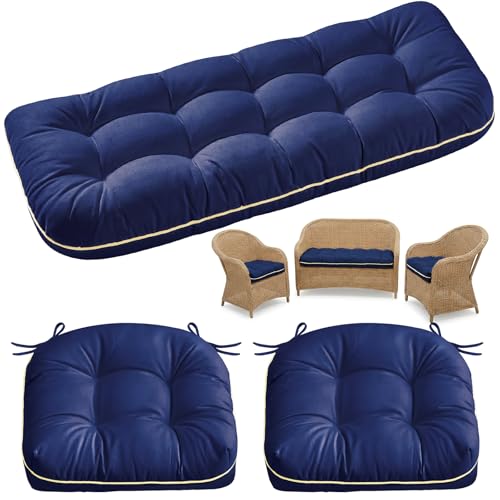
In addition to painting, incorporating new cushions can significantly change the aesthetic. Opt for fabrics that are both durable and stylish, as they will enhance comfort while revitalizing the visual appeal. Patterns and vibrant hues can introduce a fresh energy, making your seating arrangements more inviting.
Repurposing or adding accessories can further elevate the look. For instance, intricate throws, decorative pillows, or even a stylish table can create a cohesive design. Don’t shy away from mixing and matching textures, as this can produce a dynamic and personalized setting.


Lastly, proper care and maintenance are crucial. Regularly clean your pieces with a gentle soap solution and occasionally apply a sealant. This not only prolongs their lifespan but also keeps them looking their best year-round.
Transforming Your Rattan Seating
Begin with a thorough cleaning of the pieces. Mix warm water with mild soap and utilize a soft brush to remove dirt. Rinse with clean water and let it dry completely in a shaded area.
Once dry, inspect for any damage. If you find loose strands or breaks, repair them using waterproof glue or by re-weaving strands where necessary. For small imperfections, colored markers or matching paint can work wonders.
Next, consider a quick style update through textiles. Choose bold cushions or slipcovers that contrast with the natural tones of the weave. This can instantly modernize the look while adding comfort.
- Select fabric that is resistant to fading and mildew for outdoor use.
- Experiment with patterns to create a chic atmosphere.
Paint can also rejuvenate your seating. Use spray paint specially designed for outdoor materials to create a fresh look. Choose a color that complements your surroundings, or go for a trendy hue to make a statement.
For a customized touch, consider adding accents like stencils or decals. Apply them sparingly to maintain a sophisticated appearance while personalizing your items.
Lastly, treat your pieces with a protective sealant. This will guard against moisture damage and prolong the lifespan of your seating arrangement. Reapply annually to keep them in prime condition.
Assessing the Condition of Your Wicker Seating
Begin with a close inspection. Look for cracks, breaks, or any signs of wear. Pay special attention to the joints and connections where strands meet, as these are common weak points.
Utilize the following table to evaluate the state of your piece:
| Condition | Description | Action |
|---|---|---|
| Excellent | No visible damage; well maintained. | Proceed with cleaning and refinishing. |
| Good | Minor wear; a few loose strands. | Tighten strands and apply a protective finish. |
| Fair | Multiple damages; some breaks visible. | Repair broken areas before cleaning. |
| Poor | Severe damage; structural instability. | Consider extensive repair or replacement. |
Touch each part to assess structural integrity. If an area feels soft or crumbling, it may require replacement of materials. Inspect finish; peeling paint or worn varnish calls for immediate attention to prevent further deterioration.
Lastly, check for pest infestations. Look for signs of insects in invisible spots. Any indication of damage should be addressed before moving forward with restoration efforts.
Choosing the Right Paint or Stain for Wicker
Select a high-quality outdoor acrylic paint or a protective stain specifically formulated for natural fibers. These options provide durability and flexibility, essential for the changing climate.
Paint Options
- Acrylic latex paint: Offers a wide color selection and dries quickly, making it suitable for quick projects.
- Spray paint: Useful for achieving an even coat on intricate weaves. Ensure it is suitable for outdoor use.
- Chalk paint: Provides a matte finish and adheres well to various surfaces, giving a vintage aesthetic.
Stain Options
- Oil-based stain: Penetrates deeply and enhances the natural texture while providing a rich finish.
- Water-based stain: Easier cleanup, quick-drying, and widely available in numerous shades.
- Transparent finishes: If you wish to showcase the original color and texture, these options protect while enhancing the natural look.
Before applying any product, test a small, hidden section first to check for adhesion and compatibility. Prepare the surface thoroughly; clean, sand, and prime if necessary. This will significantly improve the longevity of your chosen coating.
Techniques for Cleaning Wicker Furniture Properly
Begin with a soft brush or a vacuum with a brush attachment to remove dust and dirt. This step is crucial for preventing debris from scratching the surface during wet cleaning.
Using Soap and Water
Mix a few drops of mild dish soap with warm water. Dampen a soft cloth or sponge with the solution and gently scrub the surface. Avoid soaking the material; excess moisture can weaken the structure over time. Rinse the cloth frequently to ensure that dirt isn’t just being spread around.
Disinfecting
Create a mixture of equal parts vinegar and water to disinfect. This may eliminate mold and mildew while also refreshing the fibers. Apply with a clean cloth, wiping in the direction of the weave to avoid any damage.
After cleaning, allow the piece to dry completely in a shaded area to prevent fading or warping. This method maintains the integrity and extends the life of your décor. Regular upkeep includes periodic dusting and addressing spills immediately to keep everything in prime condition.
Repairing Strands and Weaves in Rattan Creations
Begin by identifying damaged sections thoroughly. Look for frayed, broken, or loose strands that need attention. I prefer to use a magnifying glass for this purpose; it helps in spotting small issues that might be missed otherwise.
Once identified, gather materials such as replacement fibers in matching colors and gauges. Natural fibers can be sourced from craft stores; synthetic options can be found online if needed. It’s crucial to choose materials that mimic the original for a seamless repair.
For strands that are simply loose or unraveled, a simple knot often suffices. Carefully weave the fiber back into the structure. If a strand is broken, cut it to the nearest junction and tie a new piece on, ensuring compatibility in thickness and texture.
When reweaving, maintain consistent tension to avoid sagging. Patience is key; take your time to replicate the original design as closely as possible. I sometimes use a small needle to help guide the new fiber through tight spots.
If the damage involves a larger section, consider removing the affected area entirely. Cut it out carefully, then weave in a new length of material, ensuring it blends with surrounding strands. For intricate patterns, drawing a diagram beforehand may help replicate the design accurately.
After completing repairs, inspect for overall consistency in appearance. If necessary, use a matching dye or stain to blend any new fibers with existing colors, allowing it to dry fully before use.
Regular maintenance checks can prevent future issues. Assign a specific time each month to inspect and address any wear and tear before it escalates.
Updating Cushions and Fabrics for a Fresh Look
Choosing new cushions can completely transform the outward appearance of my seating. I prefer high-quality fabrics that resist fading and wear. For outdoor items, I opt for solution-dyed acrylic or polyester, which withstands moisture and sunlight well. Indoor pieces are great with cotton blends or linen that offer comfort and style.
Selecting Patterns and Colors
Selecting colors and patterns that complement my living space is essential. A neutral base can be uplifted with vibrant throw pillows. I love mixing geometric designs with floral motifs for an eclectic touch. Swatches help visualize how chosen fabrics coordinate with existing decor before making a final decision.
DIY Cushion Covers
I enjoy sewing my cushion covers for a personal touch. Using a sewing machine, I can create custom dimensions that fit my cushions perfectly. Zippered or envelope-style closures allow for easy cleaning. Adding piping or trim elevates the overall aesthetic and gives a professional finish.
Incorporating Trendy Accessories to Enhance Wicker
Add bold and colorful throw pillows to create visual interest. Choose patterns that resonate with current design trends, like geometric shapes or botanical prints, for a fresh twist. Layer these cushions in varying sizes to achieve a cozy yet stylish look.
Introduce an eye-catching area rug beneath your seating arrangement. Opt for natural fibers or durable outdoor materials that complement the tones of your pieces. This not only defines the space but also adds comfort and warmth.
Use decorative trays as functional accents. They can organize small items like books, candles, or plants. Choose trays in varying materials–like wood or metal–to provide texture and contrast against the woven texture of your designs.
Incorporate unique lighting options. Consider string lights for an outdoor setting or trendy pendant lights for indoor areas. These fixtures create an inviting ambiance while highlighting the charming aesthetics of your pieces.
Greenery can transform a space. Use potted plants or hanging planters as accents, selecting pots that align with your color scheme. This infusion of nature not only enhances visual appeal but also brings freshness to the environment.
Lastly, select baskets that harmonize with your existing styles. They are practical for storage while adding another layer of texture. Use them to hold throws or magazines, maintaining organization while enhancing the overall design.
Maintaining Your Revamped Wicker Furniture Over Time
To preserve the fresh appearance of your rejuvenated pieces, regular cleaning is paramount. Use a soft, damp cloth and a mild soap solution to wipe down surfaces, ensuring no debris remains that could lead to wear or discoloration.
Routine Inspections
Periodically examine the structure for any signs of damage. Look for fraying or loose strands. Addressing these issues early helps maintain integrity and prolongs the lifespan of your items.
Protecting Against the Elements
If placed outdoors, shield your belongings from harsh weather. Utilize covers during inclement conditions, and try to position them in shaded areas to prevent fading and deterioration from sunlight.
For indoor use, keep them away from direct heat sources, as excessive dryness can weaken the weave. Annual conditioning with furniture oils can also help maintain flexibility and prevent cracking.


