Caleb Turner

To breathe new life into classic wooden pieces, begin by inspecting the item for any signs of damage or wear. Focus on identifying scratches, dents, and areas where the finish has deteriorated. Gathering your supplies is crucial; acquire a fine-grit sandpaper, a quality wood cleaner, and a suitable stain or sealer to match the original hue.
Once you’ve prepared your work area, gently sand the surfaces using the fine-grit sandpaper, smoothing out imperfections without removing too much material. This step is vital for allowing the finish to adhere properly. Clean the dust meticulously with a damp cloth, ensuring no residue remains that could interfere with the new application.


Next, apply your chosen stain or sealer with a soft cloth or brush, working in the direction of the grain for an even coat. Allow adequate drying time between layers, as this will enhance the longevity of the finish. After the final application, buff the surface to achieve a subtle sheen. Regular maintenance will keep your revitalized wooden treasures looking their best for years to come.
Restoring Willett Items
I recommend using a solution of mild soap and warm water to clean surfaces gently. A soft cloth works well to avoid scratching the finish. For stubborn spots, a mixture of vinegar and water can be effective.
Consider applying a high-quality wood conditioner, especially on areas with dryness or fading. This will help to revitalize the natural beauty of the grain and enhance color depth.
For minor scratches, I find that using a wax stick that matches the finish can effectively blend imperfections. I carefully apply it with a small brush, followed by buffing with a soft cloth to ensure an even look.
If deeper blemishes are present, sanding lightly in the direction of the grain with fine-grit sandpaper can help. Following this, reapply the finish using a compatible wood stain or varnish to restore uniformity.
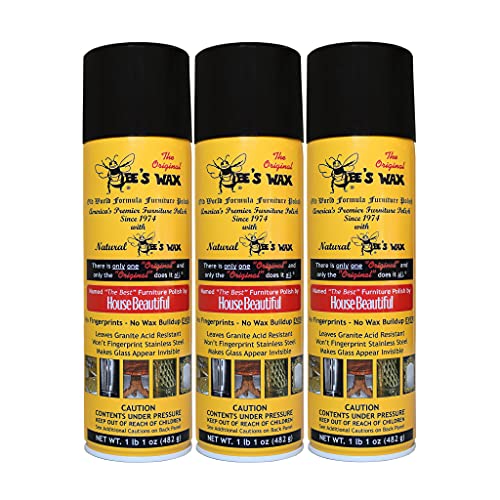
For optimizing the longevity of cherished pieces, I recommend regularly polishing them with a quality furniture polish, ensuring they remain protected from dust and moisture.
Evaluate the hardware as well; replacing old knobs or hinges can modernize the appearance and functionality. Ensure that any new components match the original aesthetic to maintain consistency.
Lastly, positioning items away from direct sunlight and extreme temperature changes will prevent issues related to fading and warping, preserving the integrity of these beloved treasures.
Assessing the Condition of Willett Furniture
I recommend examining each piece thoroughly before proceeding with any upgrades. Look for cracks, scratches, and signs of wear that might require attention. Pay close attention to joints and seams, as these areas are critical for the stability of the item.
| Condition Aspect | What to Look For |
|---|---|
| Surface Finish | Check for discoloration, chipping, or dull areas. Surface imperfections can often be refreshed with appropriate products. |
| Wood Integrity | Inspect for warping, splitting, and structural weaknesses. A straight edge can help identify any bowing in the wood. |
| Joinery | Examine the connections; any loose joints may need reinforcement or gluing. Look for dowels, screws, or nails. |
| Legs and Supports | Ensure stability by checking if the legs are sturdy. Give the piece a gentle shake to assess any movement. |
| Hardware | Inspect all knobs, hinges, and other metal fittings for rust or damage. They may need polishing or replacing. |
Taking detailed notes during the assessment helps prioritize what needs fixing. This process guides the entire enhancement project efficiently.
Choosing the Right Restoration Products
I prefer to use natural oils like tung or linseed to nourish the wood and enhance its appearance. These oils penetrate deeply, providing moisture without leaving a greasy finish. Ensure the product is pure and free from additives for the best results.
For cleaning surfaces, a blend of mild soap and water works effectively. I mix a few drops of a gentle soap with warm water and use a soft cloth, avoiding abrasive materials that could scratch the surface.
I opt for specialized waxes to protect and add luster to the finish. Beeswax or carnauba wax are excellent choices; they offer a durable protective layer while keeping the original sheen intact. Applying wax can rejuvenate dull areas, making them look fresh.
When it comes to stains or finishes, I select water-based products. These allow for easy application and cleanup while minimizing odor. I usually conduct a spot test to ensure compatibility with the existing finish, ensuring I achieve the desired result without damaging the underlying material.
For any repairs, I prefer high-quality wood glue for joints and filler for small imperfections. My go-to is a two-part epoxy for structural repairs due to its strong bonding capability, providing lasting stability.
I also keep a supply of microfiber cloths on hand. They’re perfect for applying products and buffing surfaces, minimizing dust and lint accumulation. For tools, I use high-density foam brushes for even application of paints or finishes, avoiding streaks.
To protect my workspace, I invest in drop cloths to prevent damage to surrounding areas during the process. This simple step saves time and effort in cleaning up later.
Careful selection of quality products ensures the longevity and beauty of each piece of classic craftsmanship I work on.
Cleaning Techniques for Wood Finishes
For optimal results, I recommend using a soft, lint-free cloth for dusting and cleaning to avoid scratching the finish. Vacuuming with a brush attachment can help reach detailed areas without damage.
Daily Maintenance
- Remove debris and dust with a microfiber cloth regularly.
- For light stains, dampen the cloth with a mixture of water and a few drops of mild dish soap, ensuring the cloth is not soaking wet.
- Wipe areas in the direction of the grain to maintain the visual integrity of the wood.
Deep Cleaning
- Mix equal parts of white vinegar and water for a natural cleaner; apply it sparingly to a cloth, not directly onto the surface.
- For sticky residues, use mineral spirits on a soft cloth. Test this in an inconspicuous area first to ensure compatibility with the existing finish.
- Consider using specialized wood cleaners designed for varnished surfaces if the basic methods are ineffective.
After cleaning, I find applying a high-quality furniture polish helps rejuvenate the surface, but try to keep it minimal to avoid buildup. A light buffing with a cloth can enhance the shine and protect the finish. Use products sparingly to maintain the natural beauty without overwhelming the wood grain.
Repairing Scratches and Dents on Surfaces
For minor scratches, I use a furniture touch-up marker that closely matches the finish. Applying it gently fills the scratch, making it less noticeable. After it dries, I blend it with the surrounding area using a soft cloth.
For deeper scratches or dents, I employ the steam method. I take a damp cloth and place it over the dent, then apply a hot iron for a few seconds. The steam will cause the wood fibers to swell back into place. I follow this by sanding the area lightly and applying a matching stain to regain uniformity.
Using Wax Fillers
Wax fillers can effectively mask smaller imperfections. I pick a filler stick that matches the wood’s hue, press it into the scratch, and smooth the surface with my fingers or a cloth. Buffing it out can help to blend the repair seamlessly.
Final Touches
After any repair, I recommend applying a suitable topcoat to protect the surface. A clear furniture polish can enhance the overall look and add a layer of protection against future damage. Regular maintenance will keep surfaces looking their best.
Refreshing Finishes: Sanding and Staining
Begin with 120-grit sandpaper to eliminate any old finishes or surface imperfections. Sand in the direction of the grain to avoid scratches. Switch to 220-grit for a smoother finish, ensuring the surface is even and ready for staining.
After sanding, thoroughly clean the dust using a damp cloth, ensuring no particles remain before applying any new product. A clean surface is crucial for a proper bond between the wood and the stain.
Select a stain that complements the wood’s natural tone. Apply it with a clean cloth or brush, using long, even strokes. Allow the stain to penetrate for a few minutes, then wipe off excess with a clean rag, enhancing the wood’s character. Multiple coats can deepen color, so consider applying a second or third layer after the previous one dries completely.
Finish with a protective topcoat like polyurethane, which adds durability and enhances gloss. Apply with a brush or foam applicator, ensuring smooth, even coverage. Allow adequate drying time between coats for the best results. Follow the product instructions for guidance on drying and curing times to achieve a resilient finish.
Reupholstering Willett Furniture: A Step-by-Step Guide
Evaluate the existing upholstery to determine whether it requires a complete overhaul or minor repairs. Carefully inspect for tears, stains, or structural issues in the framework.
- Remove the old fabric by unscrewing any bolts or screws holding the seat in place. Carefully detach the old upholstery, ensuring not to damage the underlying structure.
- Inspect the padding and batting. Replace any worn-out or flattened materials. Fresh foam or batting will enhance comfort and durability.
- Choose an appropriate fabric based on usage and style. Consider a durable option that complements the piece’s aesthetic.
- Cut the new fabric, ensuring to leave extra for tacking down. Lay the fabric over the piece and adjust to ensure proper alignment and a neat appearance.
- Begin fastening the new material, starting from the center and working outward. Use staples or tacks for secure attachment, pulling snugly to avoid wrinkles.
- Reassemble the piece, replacing any screws or bolts removed earlier. Double-check for stability and check that the upholstery is taut and fitted properly.
- Finally, make any necessary touch-ups. Trim excess fabric and ensure all edges are neatly tucked or secured.
With these steps, I was able to breathe new life into cherished seating, creating a refreshed centerpiece in my home.
Preventative Care for Long-lasting Restoration
Regular dusting with a soft, microfiber cloth prevents dirt buildup and minimizes scratches on the surface. I recommend using a damp cloth sparingly, ensuring excess moisture does not accumulate, which could lead to warping or swelling of the wood.
Applying a high-quality furniture polish or conditioner every few months helps maintain the finish and provides a protective barrier against spills and stains. Choose products designed for wood to avoid damaging the original luster.
Humidity Control
Maintaining optimal humidity levels in your home is crucial. Ideally, the indoor humidity should stay between 40-60%. Using a humidifier can help during dry seasons, while a dehumidifier is helpful in overly damp conditions. Fluctuations in humidity can cause wood to expand and contract, potentially leading to cracks or structural issues.
Proper Placement
Place these items away from direct sunlight and heat sources, such as radiators or vents. Prolonged exposure to sunlight can cause fading and discoloration, while heat may dry out the wood and compromise its integrity.
Finding Professional Help for Complex Restorations
Consulting an expert in antique repair is often necessary for intricate projects. I recommend seeking professionals who specialize in vintage pieces, particularly those with experience in mid-century styles. Recommendations from reputable antique shops can guide you to trustworthy artisans.
Check for certifications or memberships in established organizations, such as the American Institute for Conservation of Historic and Artistic Works. This adds credibility to their skill set. Look at their portfolio to ensure their previous work aligns with your expectations.
Rarely, specialized concerns, such as structural repairs or significant finish damage, may exceed personal capabilities. Engaging with a craftsman who can match existing finishes is crucial for seamless integration. Obtaining multiple quotes can provide a clearer understanding of service costs and timeframes.
Inquire about their restoration process, including the products they use and techniques employed. A professional should be transparent about the materials and methods, ensuring they align with the integrity of your piece. Discuss timelines carefully to avoid unexpected delays in your project.
Finally, maintain regular communication with your chosen artisan to monitor progress and address any concerns promptly. This collaborative approach ensures that your treasured item retains its unique character and history while receiving the care it needs.