
 Caleb Turner

Begin by cleaning the surface with a mixture of mild soap and water. This step removes dirt and grease, ensuring that the restoration products adhere properly. Use a soft cloth to gently wipe down the wood, then allow it to dry completely.
Next, apply a high-quality oil designed for wooden surfaces. This nourishes and revitalizes the grain, enhancing the color and bringing out the natural beauty. Use a clean, lint-free cloth to work the oil into the wood, applying it in the direction of the grain for even absorption. Let the oil sit for about 15 minutes, then buff off any excess.
For maintaining a protective barrier, consider using a wax finish suitable for wood. This not only adds luster but also guards against moisture and stains. Simply rub a small amount of wax on the surface, allowing it to dry before buffing for a smooth, polished look. This method is efficient and preserves the integrity of the wood, ensuring its longevity and charm.

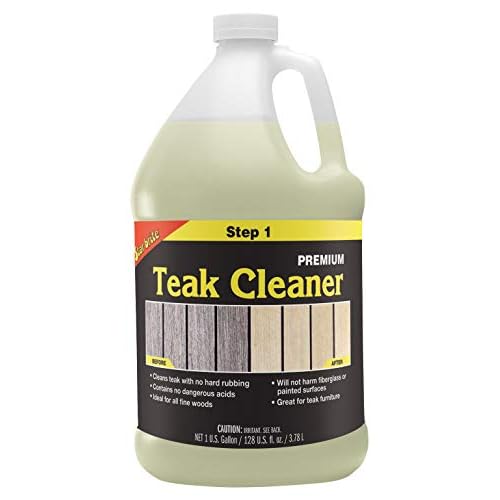


Maintenance Approach for Indoor Teak Pieces
To enhance the natural beauty of my indoor unique wooden items, I apply a cleaning solution made from a mixture of mild soap and water. Using a soft cloth, I gently wipe the surface, ensuring I avoid excessive moisture. This method allows me to lift dirt and grime without causing damage.
Conditioning Techniques
After cleaning, I choose a natural oil, such as linseed or tung oil, to nourish and protect the surface. I apply a thin layer using a clean cloth, allowing it to penetrate for about 15-20 minutes before buffing it away. This enhances the grain and provides a refreshing finish.
Preventive Measures
To maintain the luster over time, I avoid exposing these items to direct sunlight and high humidity. Regular dusting with a soft microfiber cloth and occasional reapplication of oil keeps them looking fresh and prevents dullness.
Assessing the Condition of Your Teak Furniture
Begin by examining the surface closely for signs of wear. Look for discoloration, scratches, or a dull finish. Natural oils may have diminished, leading to a faded appearance. Use your fingertips to feel the texture; if it feels rough, it indicates that the protective layer is degrading.
Inspecting for Damage
Check corners and edges where impact may occur. If there are cracks or chips, note their locations. Pay attention to joints; ensure they are intact and stable. If any joints feel loose, you may need to address these areas to prevent further issues.
Evaluating Surface Stains
Identify any stains–watermarks or food spills–present on the surface. For a preliminary assessment, try gently wiping the spots with a damp cloth. If the stains persist, they may require specific treatments. Keep track of these areas for a more targeted approach.
| Condition | Signs to Look For | Action Required |
|---|---|---|
| Moisture Damage | Warping, discoloration | Dry thoroughly, apply oil |
| Scratches | Visible lines on surface | Use a filler or appropriate cleaner |
| Joint Stability | Loose connections | Reinforce with glue or clamps |
| Stains | Dark spots or lightening | Specific cleaning solution for removal |
By conducting this thorough assessment, I can determine the necessary steps to enhance the appearance and longevity of my pieces. Each observation will inform my strategy to give new life to my beloved items.
Gathering Necessary Supplies for Restoration
I ensure to have the right tools before starting any renovation. Essential items include a soft cloth for dusting and applying products, a natural bristle brush for detailed cleaning, and a microfiber cloth to eliminate any streaks.
Cleaning Solutions
A mild soap mixed with water serves to remove dirt and grime effectively. I prefer using a gentle, biodegradable soap that doesn’t strip away oils. For deeper cleaning, a solution of vinegar and water helps refresh the surface.
Conditioning Agents
I apply a high-quality oil suitable for natural wood. Options like linseed or tung oil nourish and enhance the wood’s natural beauty. A citrus-based product can also work well to condition and add a pleasant fragrance. I keep a small container of these oils handy for touch-ups.
Lastly, I always have gloves to protect my hands from oils and cleaning solutions, ensuring a safe working environment. Gathering these supplies beforehand keeps the process smooth and efficient.
Cleaning Teak Furniture with Gentle Solutions
I recommend a mix of warm water and mild soap as an initial step for cleaning. Avoid using harsh detergents that can strip natural oils.
For small stains, a combination of baking soda and water forms an effective paste. Apply it gently with a soft cloth and rinse thoroughly afterward.
For deeper cleaning, I use a vinegar solution, mixing one part vinegar with three parts water. This solution can help lift dirt and grime without damaging the surface.
Using a soft scrub brush, I apply the cleaning solution in the direction of the grain. This ensures a thorough clean while preserving the texture.
After cleaning, it’s vital to dry the surface with a clean, soft towel to prevent moisture buildup. Prolonged exposure can lead to warping or discoloration.
If there’s an oily residue or mildew, a diluted mixture of water and mild dish soap can be effective. I apply it gently with a damp cloth, ensuring not to oversaturate the wood.
I ensure not to leave any cleaning solution on the wood’s surface. Rinsing with clean water followed by drying helps maintain its natural beauty.
Removing Stains from Teak Without Damage
For effective stain removal on wood pieces, I utilize a few straightforward methods that prevent harm while restoring appearance.
Oil and Vinegar Solution
A simple combination of equal parts olive oil and white vinegar works wonders. I apply this blend using a soft cloth, rubbing gently to lift the stain while nourishing the surface. The oil moisturizes the grain, while vinegar helps break down the stain without abrasive effects.
Baking Soda Paste
Baking soda can be perfect for tougher spots. I mix it with a bit of water to create a thick paste. Applying this mixture directly onto the stain, I let it sit for about five minutes before softly scrubbing with a damp cloth. Rinsing afterward is essential to remove any residue.
- Test on a small area first to check for color changes.
- Dry the surface thoroughly after cleaning to prevent moisture damage.
- Repeat the process if necessary for stubborn marks.
Use of Mild Dish Soap
For food and drink stains, a few drops of mild dish soap in warm water serve well. Dabbing a soft cloth in the solution, I gently clean the stained area, ensuring not to oversaturate the wood. Rinsing with a clean, damp cloth follows to eliminate any soap residue.
By employing these techniques, I can keep my wood pieces looking fresh and well-maintained, all while avoiding damage to the finish or structure.
Applying Natural Oils for Deep Nourishment
To rejuvenate and enrich your wooden pieces, consider the following natural oils known for their nourishing properties:
- Linseed Oil: This oil penetrates deeply, providing moisture and enhancing the wood’s natural grain. Apply it using a soft cloth, allowing it to soak in for several hours before wiping off the excess.
- Teak Oil: Specifically designed for maintaining the allure of wooden surfaces, it restores luster and hydrates effectively. Use a brush to apply a thin layer and let it dry properly.
- Walnut Oil: Often less toxic, walnut oil offers a rich finish while providing nourishment. Its application is similar to linseed; simply rub it into the surface and let it absorb.
- Olive Oil: A readily available option that can offer moisture; however, be cautious, as it may darken lighter finishes. Mix it with vinegar for a cleaning solution and application.
Application steps should be deliberate for optimal results:
- Ensure the surface is clean and free of any residues.
- Choose an appropriate oil based on your desired finish and availability.
- Using a soft cloth or brush, apply a thin layer of oil, working along the grain.
- Allow the oil to penetrate for 15-30 minutes before wiping away any excess with a dry cloth.
- Repeat this process every few months or as needed to maintain the integrity and appearance of the wood.
Regular application of these oils will enhance the durability and beauty of your treasured pieces, ensuring they remain in excellent condition for years to come.
Utilizing Teak Sealers for Lasting Protection
I recommend applying high-quality sealers specifically formulated for porous wood types. These products provide a protective barrier without altering the natural beauty or color of the surface. Select a sealer that offers UV protection and moisture resistance to prevent fading and warping.
Preparation is key; clean the surface thoroughly to remove any dirt or oil. After ensuring the surface is completely dry, evenly apply the sealer using a clean cloth or brush. Focus on hard-to-reach areas to ensure every crevice is covered. Allow the first coat to dry according to the manufacturer’s instructions before applying additional layers for enhanced protection.
Regular maintenance is essential. Reapply the sealer every six to twelve months, depending on usage and exposure to light. This routine will help maintain the aesthetics and longevity of your cherished pieces.
Always test the product on a small, inconspicuous area before proceeding to the entire surface. This step ensures compatibility and desired results. With proper application and consistent upkeep, the shine and quality of your wooden items will be preserved for years to come.
Polishing Techniques for a Smooth Finish
To achieve a glossy surface, I use a combination of two types of polish: a natural beeswax and a plant-based oil. I find that this duo not only enhances the sheen but also nourishes the wood. First, I melt the beeswax slightly to make application easier. I then mix it with equal parts of mineral oil, using a ratio of 1:1. This mixture forms a protective layer while augmenting the grain’s visual appeal.
The application process is simple. I apply the wax-oil mixture with a clean, soft cloth, moving in the direction of the grain. After allowing it to sit for a few minutes, I gently buff the surface with another clean cloth. This two-step approach adds depth and a beautiful luster.
Additionally, I prefer liquid polishes made from natural ingredients when I need a quick touch-up. These products are effective and less time-consuming. I apply the polish with a microfiber cloth and use circular motions to cover the entire surface evenly. Following the initial application, I leave it to dry for a short while before buffing again for a smooth finish.
It’s essential to ensure the environment is not too humid when polishing. Excess moisture can hinder the drying process and affect the finish quality. I also reapply the polish every few months to maintain the elegant appearance and keep the surface protected.
| Polishing Technique | Steps |
|---|---|
| Beeswax and Oil Mix |
|
| Liquid Natural Polish |
|
Regular maintenance through these polishing techniques ensures the charm of the wood shines brightly while protecting it for years to come.
Regular Maintenance Tips for Teak Furniture
Keep surfaces clean by dusting with a soft cloth weekly to prevent grit buildup. This simple act reduces scratches and prolongs appearance.
Monthly, I apply a damp cloth to remove deeper dirt. Ensure the cloth is not overly wet, as excess moisture can warp surfaces.
Every season, inspect joints and fittings. Tightening loose screws preserves structural integrity and enhances functionality.
For spills, blot immediately with a soft, dry cloth–avoid rubbing. This prevents stains from setting in and protects natural oils.
- Avoid harsh chemicals; they can damage finishes.
- Use coasters under drinks and placemats under dishes to minimize potential water damage.
- Keep away from direct sunlight to prevent fading and warping.
Assess the environment; maintaining steady humidity levels helps prevent cracking. Ideal indoor humidity is between 40-60%.
I recommend repositioning items periodically to avoid uneven color changes due to light exposure.
Yearly, consider applying protective oil to maintain moisture content and prevent drying out. This boosts resilience against daily wear.
- Use a soft cloth for application, following the wood grain.
- Allow any excess oil to absorb before buffing for best results.
Regular upkeep not only enhances aesthetics but also extends the lifespan of my valued pieces. Prioritize these practices to enjoy their beauty for years to come.
When to Consider Professional Restoration Services
If the damage exceeds basic wear and tear, seeking expert assistance is advisable. Visible cracks, deep scratches, or significant discoloration often require specialized tools and techniques that go beyond standard maintenance. Complex repairs like joint issues may also necessitate professional intervention to ensure structural integrity.
If previous attempts at rejuvenating your pieces have not yielded satisfactory results, it may be time to consult a restoration expert. They possess the knowledge and experience to apply appropriate methods tailored to the specific wood type and condition.
High-value antiques demand meticulous care that I may not achieve alone. An expert can provide assessments regarding the authenticity and historical significance, ensuring the preservation of these valuable items.
When facing time constraints, outsourcing restoration to a skilled individual can deliver quicker results. This approach frees me from doing the work while ensuring that the pieces receive the attention they deserve.
Consider the extent of damage before deciding. For instance, persistent mold or insect infestations often require professional treatment to resolve effectively and prevent recurring issues.
In situations where I lack confidence in my abilities or tools, consulting a professional guarantees the best outcomes, protecting both the aesthetic appeal and longevity of cherished pieces.


