
 Caleb Turner
To bring life back to your weathered garden pieces, first ensure they are clean and dry. Use a soft brush or a cloth to remove dust, dirt, and any debris. If the surface has deep stains, consider using a gentle cleanser mixed with water, but avoid harsh chemicals that could damage the wood.
Next, I recommend sanding the surface lightly with fine-grit sandpaper. This step removes any old finishes, smooths out any rough areas, and prepares the wood to absorb new treatments. Make sure to follow the grain of the wood while sanding for the best result.
After sanding, applying a quality penetrating oil or wood conditioner will enhance the natural grain and protect against future wear. I usually choose a product specifically designed for outdoor applications to ensure maximum durability. Apply it evenly, following the manufacturer’s instructions, and allow it to soak in before wiping off any excess.


Regular maintenance will prolong the life of these cherished items. Keeping them sheltered during harsh weather or using protective covers can prevent damage over time. Investing in the right care will keep your wooden pieces looking their best for years to come.
Revitalizing Wooden Seating
Begin with a thorough cleansing of the surface using a mixture of mild soap and water. Scrub gently with a soft brush to eliminate dirt and grime, ensuring you don’t scratch the wood. Rinse well with clean water and let it dry completely before proceeding.
Sanding and Repairing
Identify any imperfections or rough spots. Use sandpaper (120 to 220 grit) to smooth these areas. Sand in the direction of the wood grain, and make sure to pay attention to edges and joints. After sanding, wipe off the dust with a damp cloth to prepare for treatment.
Protective Finishing
Apply a suitable finish to enhance the longevity of the material. Consider using a penetrating oil or a wood sealer that’s compatible with the existing finish. Follow the manufacturer’s instructions for application, usually involving a brush or cloth. Allow sufficient drying time between coats for optimal absorption. Typically, two to three coats are advisable for maximum protection.
| Step | Action | Tools Needed |
|---|---|---|
| 1 | Clean | Soft brush, water, soap |
| 2 | Smooth | Sandpaper (120-220 grit) |
| 3 | Finish | Brush or cloth, oil/sealer |
These steps will significantly improve the appearance and durability of your pieces, making them ready to withstand the elements while maintaining their beauty.
Assessing the Condition of Your Cedar Seating
I examine the piece closely for signs of wear and damage. Look for cracks, splits, or significant scratches on the surface. These indicators reveal whether the integrity of the wood is compromised.
Surface Inspection
- Check for discoloration, which may indicate sun damage or weathering.
- Identify any sticky areas that could suggest residue build-up from prior treatments.
- Feel for rough patches, which could result from the wood fibers raising due to moisture.
Structural Examination
- Ensure joints and connections are tight and secure.
- Look for signs of insect infestations, such as small holes or tunneling.
- Assess the stability; a wobbling seat may suggest underlying issues.
Taking note of these details helps determine the necessary steps for improvement, ensuring the durability of my treated items for years ahead.
Cleaning Techniques for Cedar Wood
First, I use a mixture of warm water and a mild soap to wipe down the surface. A soft cloth helps prevent scratching while effectively lifting dirt and grime. For tough stains, I add a little vinegar to the solution. The acidity helps break down stubborn residues without damaging the wood.
Next, I prepare a paste with baking soda and water. Applying this paste to any particularly stained areas works wonders. I let it sit for about 15 minutes before gently scrubbing it with a soft-bristle brush, ensuring I follow the wood grain to avoid scratches.
Occasionally, I opt for a mixture of water and oxygen bleach–especially when dealing with mold or mildew. I apply it with a sponge, allowing it to sit for 10 to 15 minutes, then rinse thoroughly. This step restores the natural color without harsh chemicals.
I always make sure to completely dry the surface after cleaning. Using a clean, dry cloth, I wipe down the entire piece to remove any remaining moisture. Additionally, I let the item air dry in a shaded area to prevent warping.
Regular maintenance, such as sweeping away debris and wiping down after rain, helps prevent buildup. I also check for any signs of damage during the cleaning process, addressing issues promptly to keep the wood in good condition.
Choosing the Right Finish for Restoration
Opt for a penetrating oil finish to highlight the natural beauty of the wood while providing protection from the elements. Products like tung oil or teak oil are excellent choices, as they deeply penetrate and nourish the fibers, enhancing grain visibility.
For a glossier appearance, I recommend using a spar varnish or high-quality polyurethane. These finishes create a durable top layer, standing up to UV rays and moisture. However, they can obscure some natural texture, so consider the aesthetic impact.
When selecting a finish, evaluate the intended use. If the piece will remain exposed to harsh weather, a marine-grade finish offers superior defense. Conversely, if it will spend more time under cover, an interior-grade option may suffice.
Test any product on a small, inconspicuous area first. This step ensures compatibility and satisfaction with the final look. Always follow the manufacturer’s instructions regarding application and drying time.
For maintenance, reapply the chosen finish periodically, typically every season or as needed, depending on exposure and wear. Keeping a regular schedule helps maintain the appearance and integrity of the wood.
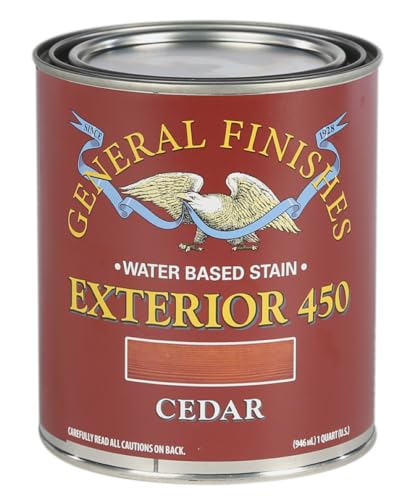
Applying Stain or Sealer Properly
Choose a day with mild weather for application; temperatures between 50°F and 85°F and low humidity work best. I recommend testing the stain or sealant on a hidden area first to ensure the color and finish meet expectations.
Preparation is key. Use a high-quality brush or roller for even application. I prefer brushes for detailed work and rollers for larger areas. Start at one end and work your way to the other, making sure to maintain a wet edge to avoid lap marks.
Apply one coat, allowing it to penetrate the wood for the recommended time, usually around 5-15 minutes, then wipe off any excess with a clean cloth. Pay attention to grooves or joints where excess product may puddle. It’s advisable to let the first coat dry thoroughly, typically 24 hours, before applying a second coat.
For a long-lasting finish, I often apply a clear topcoat after staining. Make sure the stain is completely cured, as per the manufacturer’s instructions, before doing so. This will enhance durability and protect against UV damage.
Lastly, clean brushes with the appropriate solvent right after use to prolong their life. Store leftover products according to the guidelines provided, ensuring they’re well-sealed and stored away from extreme temperatures.
Repairing Damaged Areas and Joinery
I begin by identifying any cracks, splits, or loose joints in the structure. For small cracks, I fill them using a high-quality wood filler that matches the color of the timber. It’s crucial to apply the filler with a putty knife, pressing it into the crack and smoothing it out to blend with the surrounding surface. Allow it to dry fully before sanding the area to achieve a smooth finish.
When dealing with larger cracks or splits, I opt for epoxy resin. This material has excellent adhesive properties and durability. I mix the epoxy according to the manufacturer’s instructions, carefully applying it to the damaged area and ensuring it seeps into the wood grain. Once cured, I sand it down flush with the surface.
For joint repairs, I assess if any dowels or screws are loose. I retighten or replace them as necessary. If the joinery is compromised, I may disassemble the joint to clean it thoroughly. I use wood glue, ensuring it fills all gaps before reassembling. Clamping the joint during the drying process is essential to maintain strong adhesion.
If any pieces of the wood are severely damaged, I consider replacing them. I measure the damaged section carefully and cut a new piece to fit seamlessly into the existing framework. Pre-drilling holes for screws or dowels ensures a secure attachment without splitting the wood.
After completing the repairs, I sand all affected areas to eliminate roughness and prepare them for finishing. Following this process ensures a sturdy and visually appealing result, extending the lifespan of my wooden pieces significantly.
Maintaining Your Restored Cedar Outdoor Pieces
To preserve the beauty and longevity of your rejuvenated wooden items, regular maintenance is key. Applying a protective sealer every year helps to shield the surface from moisture and UV damage. I use a high-quality product designed for outdoor conditions, ensuring that it provides an effective barrier.
Routine Cleaning Practices
Clean surfaces lightly with a mixture of mild soap and water. Avoid harsh chemicals that can degrade the wood. A soft brush or cloth works best to remove dirt and debris without scratching. Rinse thoroughly and allow the wood to dry completely before applying any protective finishes.
Inspection and Care
Regularly check joints and connections for signs of wear. Tighten screws and fasteners to maintain stability. If you notice any cracks or peeling in the finish, address these issues promptly to prevent further damage. I recommend keeping an eye out for mold or mildew, especially in humid conditions, and treating affected areas immediately to ensure the integrity of the structure remains intact.


