Caleb Turner

It’s crucial to clean the surface thoroughly using a mixture of warm water and mild soap. A soft cloth helps lift grime without damaging the elegant finish. Rinse with a damp cloth afterward and allow it to dry naturally.
After the initial cleaning, assess the condition. For minor scratches or scuffs, a simple application of wax can work wonders. Look for a high-quality, clear wax that enhances the natural beauty without altering the color. Apply it in circular motions with a soft cloth.
If deeper blemishes exist, consider using a fine-grit sandpaper. Lightly sand in the direction of the grain, being careful not to overdo it. Follow this up with another waxing or polishing to bring back that rich luster.
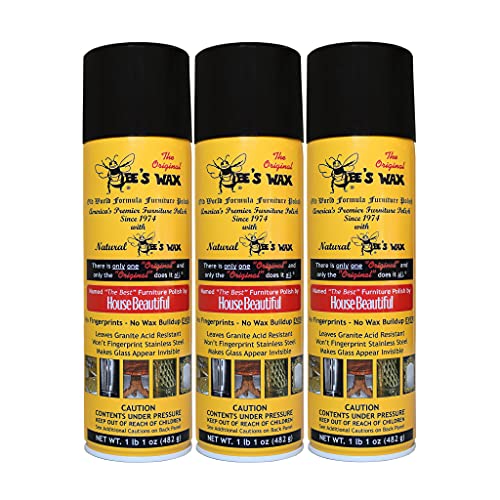


Make sure to protect your rejuvenated treasures from sunlight by placing them away from direct exposure. Regular maintenance, such as dusting and periodic waxing, can keep these pieces looking pristine for years.
Tips for Reviving Classic Wood Pieces
Choose high-quality yellow soap and warm water to clean surfaces. Mix one tablespoon of soap in a quart of water, dampen a soft cloth, and gently wipe down the wood. Avoid soaking, as this can cause damage.
Addressing Surface Issues
For scratches, use a blend of equal parts vinegar and olive oil. Apply with a soft cloth, rub in the direction of the grain, and buff lightly to conceal imperfections. For deeper gouges, consider a wax fill stick in a matching color.
Finishing Touches
After cleaning and addressing scratches, protect the finish with a suitable polish. Choose a high-quality beeswax or carnauba paste. Apply a thin layer, letting it sit for about 10 minutes before buffing with a clean cloth for a subtle sheen.
Regular maintenance is key. Dust frequently with a soft, lint-free cloth and keep pieces away from direct sunlight to prevent fading.
Assessing the Condition of Your Antique Mahogany Furniture
I first examine the surface for scratches, dents, or discoloration. Using a soft, lint-free cloth, I gently wipe down the wood to remove dust and grime, which may hide deeper issues.
Next, I check for structural integrity by gently pressing on joints and hinges. Movement or creaking noises indicate potential weaknesses requiring attention. I also inspect for any signs of insect damage, such as tiny holes or powdery residue. This necessitates immediate inspection by a specialist.
Taking a closer look at the finish is vital. If the surface appears dull or sticky, it may need treatment. A test spot can reveal if it can be enhanced simply with a polishing product or if a deeper intervention is needed.
Lastly, if there’s any lingering odor of mold or mildew, it’s crucial to address this promptly to prevent further damage. Fresh air exposure and proper cleaning methods can often alleviate these issues.
Choosing the Right Cleaning Products for Your Fine Wood
Opt for pH-balanced cleaners specifically designed for delicate finishes. These won’t strip away the protective layers or harm the finish.
Recommended Products
- Natural oils like lemon or orange oil can nourish and enhance the wood’s appearance. Use them sparingly to avoid excessive buildup.
- Microfiber cloths work well for dusting and applying cleaner, ensuring a gentle touch without scratching.
- Wood polishes without silicones or waxes help maintain the sheen. A paste wax can provide added protection and a nice finish.
Products to Avoid
- Avoid all-purpose cleaners; they are too harsh and can damage the finish.
- Steer clear of abrasive cleaners or pads; they can scratch the surface and ruin the wood’s luster.
- Do not use any ammonia-based products, as they can weaken finishes and cause discoloration.
Before any product is applied, always test it on a hidden area to ensure compatibility with the wood’s surface. Regular maintenance with appropriate products extends the life of these exquisite pieces.
Stripping Old Finish Safely and Effectively
The first step is to select a suitable paint stripper. I prefer a biodegradable option to minimize harmful fumes and environmental impact. Always choose a product designed for use on wood, avoiding harsh solvents that can damage the surface.
Before applying the stripper, prepare the workspace. Work in a well-ventilated area, covering floors and nearby objects with drop cloths to prevent spills. I always wear appropriate personal protective equipment, including gloves, goggles, and a mask, to ensure my safety during the process.
Applying the Stripper
<p Using a natural bristle brush, apply a generous coat of the stripper to the surface. Follow the manufacturer’s instructions for the recommended wait time. I find that allowing the product to sit longer helps in breaking down tough finishes.
After the designated time, use a plastic scraper to gently remove the softened finish. I find it effective to work in small sections, which prevents the stripper from drying before I can remove the old coating. If necessary, I reapply the stripper to stubborn areas and repeat the scraping process.
Cleaning Residue
Once the majority of the finish is removed, I clean the surface with a mix of warm water and mild detergent. This step helps eliminate any residual chemicals from the stripper. After cleaning, I allow the wood to dry completely before proceeding with further refinishing stages.
By following these detailed steps, I ensure that the old finish is removed safely and efficiently, setting the stage for the next steps in the renewal process.
Repairing Scratches and Dents in Wood
I often encounter minor imperfections like scratches and dents while working with quality hardwood. For superficial scratches, I recommend using a walnut. Simply rub the nut over the damaged area; the natural oils in the walnut will fill the scratch and blend with the surrounding finish.
For deeper scratches, consider a blend of linseed oil and beeswax. Mix equal parts and apply with a soft cloth, working the mixture into the scratch. This blend nourishes the wood while providing a protective layer.
Dents can be addressed with the steam method. Moisten a cloth and place it over the dent, then apply a hot iron briefly to the cloth. The steam will help the fibers swell back into shape. Allow it to cool before assessing the result. Repeat if necessary.
| Damage Type | Repair Method | Materials Needed |
|---|---|---|
| Superficial Scratch | Rub with walnut | Walnut |
| Deep Scratch | Apply linseed and beeswax mixture | Linseed oil, beeswax, soft cloth |
| Dent | Steam method | Cloth, iron, water |
For larger repairs, wood filler can be an option. Select a filler that matches the wood’s color, apply it, and once dried, sand it down to achieve a smooth finish. Then, reapply your chosen finish to blend it seamlessly with the surrounding areas.
Resanding Techniques for a Smooth Surface
For achieving a flawless finish, proper resanding is critical. I utilize a systematic method to ensure an even result.
- Begin with coarse-grit sandpaper (e.g., 80 grit) to eliminate the existing finish and any imperfections. I apply even pressure, moving in the direction of the grain.
- Once the surface is stripped, I switch to a medium-grit sandpaper (120 grit). This stage helps to smooth out any rough spots from the first pass.
- For the final sanding, I opt for fine-grit sandpaper (220 grit). This step is vital for creating a silky, smooth surface that’s ready for finishing products.
I like to use sanding blocks or a palm sander for consistency. This prevents uneven spots and makes the process less labor-intensive.
After sanding, I clean the surface with a tack cloth to remove dust particles. This ensures that the finish adheres properly and the final look remains impeccable.
Lastly, I recommend a cross-sanding technique in each grit stage, helping to minimize visible swirl marks and achieving a beautifully polished look.
Applying New Finish: Stains and Varnishes
Choosing the right stain is crucial for enhancing the wood’s natural beauty. I prefer oil-based stains as they penetrate deeper into the grain, resulting in a richer color. Water-based stains dry faster and have less odor, making them an excellent choice for indoor projects. Always test the stain on a hidden area to ensure it’s the desired shade.
Before I start staining, I ensure the surface is completely clean and free of dust. Using a clean, lint-free cloth, I apply the stain in the direction of the grain, working in manageable sections. A foam brush or a high-quality bristle brush allows for even coverage, preventing uneven spots.
Allow the stain to sit according to the manufacturer’s instructions, which usually ranges from a few minutes to an hour, depending on the depth of color I want to achieve. If a deeper tone is desired, I wipe off the excess and apply a second coat after the first one has dried completely.
After staining, choosing a suitable protective coating is vital. I recommend water-based polyurethane for its durability and easy cleanup. Oil-based polyurethanes provide excellent protection but require longer drying times. Regardless of the choice, I ensure to apply it with a clean brush, using thin, even coats to avoid brush marks.
It’s essential to sand lightly between coats of varnish to ensure proper adhesion. I use fine-grit sandpaper (around 220 grit) and wipe away any dust with a tack cloth. Applying at least two to three coats of finish provides a robust barrier against wear and tear.
Finally, I allow the finish to cure completely, which can take several days, depending on the product used and environmental conditions. Adequate curing ensures maximum durability and longevity for the piece. Patience during this step yields the best results.
Preserving the Original Patina of Mahogany
To maintain the unique patina of your piece, I avoid aggressive cleaning methods and harsh chemicals. Regular dusting with a soft microfiber cloth helps prevent buildup while preserving the surface. For deeper cleaning, I use a mixture of water and a few drops of mild soap, applying it gently with a damp cloth and drying immediately with another cloth.
If the finish appears dull, I apply a high-quality furniture polish formulated for wood. This step not only enhances the luster but also nourishes the wood. Instead of polishing frequently, I do this sparingly to avoid buildup that can obscure the natural beauty.
When considering repairs, I focus on matching finishes closely without completely stripping the surface, which helps retain the existing character. I choose to apply oils like jojoba or mineral oil, as they penetrate the wood while enriching the original color and texture.
For scratches, I prefer using a wax stick that matches the hue of the wood. This method fills in imperfections without altering the overall appearance. I always test any product on an inconspicuous area first to ensure compatibility. Preserving the original look is about enhancing, not altering.
I avoid exposing the piece to direct sunlight and extreme temperatures to prevent fading and warping, which can disrupt the beautiful aging process. Utilizing coasters and cloths under decorative items further contributes to maintaining the finish over time.
Maintaining Restored Wooden Pieces Over Time
Regular dusting with a soft microfiber cloth keeps surfaces clean and prevents the buildup of harmful particles. I recommend dusting weekly to maintain the beauty of the grain and finish.
Humidity Control
Maintaining stable humidity levels is critical. Ideal indoor humidity should be between 40% and 60%. Using a humidifier in dry seasons or a dehumidifier in humid conditions can prevent warping or cracking.
Appropriate Placement
Avoid direct sunlight exposure to prevent fading. Position near windows with shades or curtains to minimize UV damage. Similarly, keeping it away from heat sources like radiators ensures that the material remains stable over time.
Using coasters and placemats helps prevent moisture rings and scratches. I apply a thin layer of beeswax or a furniture polish specifically formulated for wood every six months to nourish and protect the surface.
As needed, I assess the finish for signs of wear. Light sanding followed by reapplication of the finish can restore its luster while retaining the depth of the wood’s character.
Every few years, I inspect joints and fastenings for stability. Tightening screws or applying wood glue to loose joints can prolong the lifespan of these cherished pieces.