Caleb Turner
Examine the condition of your woven pieces. Look for frayed strands or unstable frames. If you encounter loose fibers, a hot glue gun works wonders to reattach them securely. For minor cracks in the structure, consider using wood glue to restore integrity without compromising aesthetics.
Gather a few supplies before you begin. You’ll need a soft brush, water, mild soap, and a soft cloth for cleaning. Maintaining the surface before tackling repairs is crucial. This will give you a clear view of the damage and ensure that everything looks pristine once finished.
If there’s significant damage, replacing sections is a viable option. Find matching materials or repurpose leftover strands from less visible areas. Take your time to weave them back into place–careful attention to detail will yield a more polished final look.
Consider applying a sealant to protect the surface from moisture once your adjustments are complete. This preventative measure will enhance durability and keep your cherished pieces looking fresh for years to come.


Repairing Damaged Rattan Seating
For broken strands, I find it useful to replace them with a similar-looking material. Select a synthetic fiber that matches the original closely. Measure the length of the damaged section, cut the new strand to size, and weave it through the existing framework, ensuring a tight fit.
Addressing Loose Joints
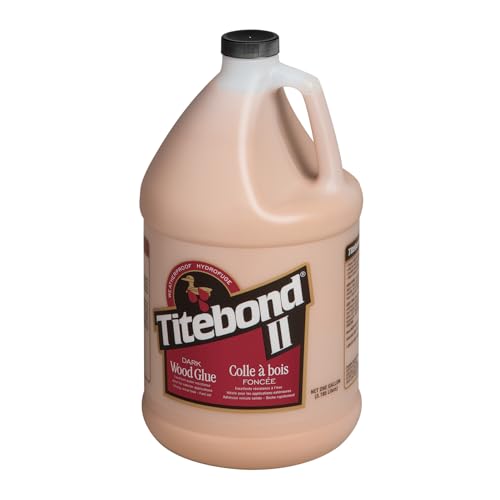
If joints become loose, I apply a strong wood glue specifically designed for outdoor use. Remove any old adhesive residue before applying the new glue. To secure the joint, I use clamps until the glue dries completely, usually for at least 24 hours.
Restoring Color
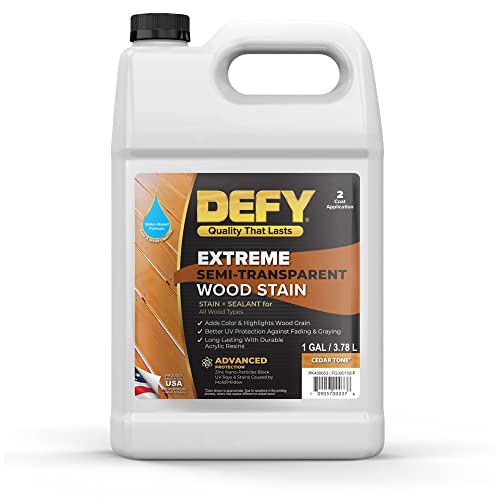
To refresh faded tones, I use a specialized rattan restoration spray or a wood stain that complements the existing color. I clean the surface thoroughly, then apply the product in light, even coats. This rejuvenates the appearance without compromising the material.
Assessing Damage on Rattan Wicker Furniture
Examine each piece carefully for visible signs of wear or breakage. Look for loose strands, fraying, or any missing sections in the weave. Pay close attention to corners and edges, as these areas often experience the most stress. Inspect the framework for cracks or breaks that might compromise stability.
Check for any discoloration or fading, which could indicate sun damage or exposure to moisture. Assess the overall structure by gently applying pressure to ensure there are no weak spots. Use a magnifying glass for a detailed look, especially in intricate weaves where damage can be subtle.
Perform a tactile check; run your fingers across the surfaces to identify rough patches or sharp edges that may have resulted from splintering. Document any issues with photos to keep track of all findings, making it easier to plan necessary actions for restoration.
Consider using a soft brush to remove dirt and debris before further inspection, as this will reveal hidden flaws more clearly. If any piece feels loose, test its flexibility; excessive movement is a sign of underlying problems. Make a list of all noted damages to prioritize repairs efficiently.
Lastly, evaluate the overall aesthetic. If the piece appears outdated or significantly worn, it may require more than just minor fixes, prompting a reevaluation of its current state and potential refinishing or repurposing options.
Gathering Necessary Tools and Materials for Repairs
For efficient restoration, I ensure to have the following tools and materials on hand:
Tools
| Tool | Description |
|---|---|
| Scissors | Ideal for cutting fibers to the desired length. |
| Pliers | Useful for tightening or adjusting loose strands. |
| Utility Knife | Perfect for precise cuts and trimming edges. |
| Staple Gun | Helps in securing new strands to the frame. |
| Glue | Strong adhesive for bonding broken parts. |
Materials
| Material | Notes |
|---|---|
| Replacement Strands | Choose materials that match the original for a seamless look. |
| Wood Finish | Restores and protects the natural wood of the structure. |
| Varnish | Provides a protective layer to prevent future damage. |
| Sandpaper | Used to smooth rough edges before applying finish. |
| Cloth | For cleaning surfaces prior to applying finishes. |
With these essentials, I’m well-equipped to handle various restoration tasks effectively and efficiently.
Techniques for Reweaving Rattan Wicker Parts
For an effective reweaving process, I cut the damaged strand, leaving enough length on both ends to secure new material. Using a color-matched replacement piece, I begin by threading it through the existing frame. This ensures a consistent look and durability.
Selecting the Right Method
Depending on the pattern, I opt for either a continuous weave or a crisscross technique. For a crisscross, I alternate the direction of the new fibers, weaving them in and out of the frame strands. If it’s a simpler pattern, a continuous wrap may suffice, wrapping around each frame piece in an uniform manner.
Securing the Weave
Once the new strands are woven, I secure the ends with a discreet knot or a small dab of adhesive, ensuring they won’t unravel. Maintaining tension during the process is vital; loose strands will create an unstable finish. Finally, for added strength and aesthetic appeal, I trim any excess material neatly.
Fixing Broken or Loose Joints in Rattan Frames
To tackle broken or loose joints, I begin by identifying the affected areas. Look for any gaps or movement at the connections where elements meet. This inspection reveals the joints requiring my attention.
Steps to Secure Loose Joints
- Disassemble the Loose Joint: Gently separate the components of the joint. Be careful to avoid damage to the surrounding structure.
- Clean the Joint Area: Remove dust, old glue, or debris using a damp cloth to create a clean surface for better adhesion.
- Apply Adhesive: Use a strong wood or epoxy glue specifically designed for these materials. Apply evenly to both surfaces of the joint.
- Reassemble the Joint: Align the pieces carefully and press them back together. Ensure everything fits snugly.
- Clamp the Joint: Use clamps to hold the joint in place while the adhesive cures. Follow the glue manufacturer’s instructions for drying time.
Repairing Broken Joints
- If a joint is completely broken, I opt for dowels or screws for reinforcement. I drill holes into both sections and insert dowels for added strength.
- For more significant breaks, consider using brackets or metal plates to provide additional support. Attach these with screws, ensuring a tight fit.
- Once repaired, sand any rough edges and touch up with paint or stain to match the original finish.
Regular inspection and timely maintenance prevent further deterioration. Periodically check joints for stability, and address any issues promptly to extend the life of your piece.
Cleaning and Maintaining Natural Fiber Seating Before Touch-ups
I recommend removing any dust and debris using a soft-bristle brush or a microfiber cloth. This will prevent dirt from becoming embedded during the cleaning process. For deeper cleaning, a mild soap solution can be used; mix a small amount of gentle dish soap with warm water.
Spot Cleaning
For stains, I apply the soapy water with a soft cloth, gently blotting rather than scrubbing to avoid damaging the fibers. Afterward, it’s crucial to rinse the cloth thoroughly to remove soap residues and wipe the area again with plain water. Make sure to let everything dry completely, as moisture can lead to mold.
Preventive Care
Avoid exposure to direct sunlight to maintain the color of the material. Regularly check for loose strands or any minor damages. I always keep a protective cover on hand for times when the seating will be outside for extended periods, which greatly extends its lifespan.
Lastly, applying a natural oil, such as coconut or linseed, once or twice a year can help nourish the surface. A small amount goes a long way; I simply rub it in with a clean cloth, ensuring even coverage.
Applying Finishes to Renew Rattan Wicker Appearance
Select an appropriate finish to enhance and protect the surface of your piece. Options include varnish, oil, or specialized wicker finish products. Each type offers distinct benefits and levels of protection.
- Varnish: This creates a hard, protective coat that resists moisture and wear. It’s ideal for pieces exposed to varying humidity levels.
- Oil: Linseed or tung oil penetrates the fibers, providing nourishment and a subtle sheen. Reapply regularly for optimal results.
- Specialized Finishes: Look for products specifically designed for woven materials. These often contain UV filters to prevent fading.
Before application, ensure the surface is clean and dry. Gently sand any rough areas to promote adhesion. Use a soft cloth or sponge to apply the finish evenly, following the manufacturer’s instructions.
Allow adequate drying time between coats if multiple layers are needed. Light sanding between applications enhances finish smoothness and durability. Regularly inspect and reapply the finish to maintain a fresh appearance and prolong the life of your item.
Incorporate a protective layer to prevent future damage. This can involve using coasters or placing heavy items carefully to avoid undue stress on the woven sections.
Tips for Preventing Future Damage to Rattan Furniture
Inspect regularly for signs of wear or stress. Look for frayed fibers and loose joints. Early identification of issues prevents escalation.
Keep Away from Direct Sunlight
Position items away from direct sunlight to avoid fading and drying of the materials. Use curtains or protective covers to minimize sun exposure.
Control Humidity Levels
Maintain consistent humidity in the environment. Too much moisture can lead to mold, while too little can cause cracking. Use a hygrometer to monitor levels.
Store items indoors during harsh weather conditions. Rain, snow, and extreme temperatures can weaken the structure and integrity of the pieces.
Avoid placing heavy objects on delicate sections. Distribute weight evenly to prevent sagging or breaking. Use coasters or pads under items to reduce pressure.
Regularly clean the surface with a soft cloth to remove dust and debris. This simple act maintains appearance while preventing dirt buildup that can cause long-term problems.
Apply protective finishes or sprays designed for natural materials annually. These treatments create barriers against moisture and dirt, extending lifespan significantly.
FAQ:
What materials do I need for repairing rattan wicker furniture?
To repair rattan wicker furniture, gather the following materials: rattan splints or fibers for weaving, scissors for cutting, a strong adhesive suitable for wood or rattan, a small paintbrush for applying the glue, and optionally, a soft cloth or sponge for cleaning the surface before starting the repair. Having a protective sealant or varnish on hand can also be useful if you want to finish the piece after the repairs are done.
How can I identify the type of damage on my rattan wicker furniture?
Inspect the furniture carefully for visible signs of wear or damage. Look for broken strands or loose weaves. If the rattan feels brittle, it may need replacing. Soft areas or splinters can indicate breakage. In some cases, you might find mold or discoloration, suggesting water damage. Identifying the specific type of damage will help you determine the best repair approach for your furniture.
Can I use regular glue to fix rattan wicker furniture?
Using regular glue on rattan wicker furniture is not recommended, as it may not bond effectively and can lead to future complications. Instead, choose a strong adhesive specifically designed for wood or natural fibers. These adhesives provide a more durable bond and ensure that your repairs hold up over time, especially in the case of outdoor furniture that may be exposed to moisture.
What is the process for replacing broken rattan strands in wicker furniture?
To replace broken rattan strands, begin by carefully removing the damaged section from the furniture. Cut a new rattan splint or fiber to the appropriate length and insert it in place of the old piece. Use adhesive to secure the ends, ensuring they fit snugly within the weave. Once the glue has dried, you may need to weave the new strand into the existing pattern, guiding it alongside neighboring strands to maintain the design. Finish by trimming any excess material for a neat appearance.
How can I prevent future damage to my rattan wicker furniture?
To prevent future damage, keep your rattan wicker furniture away from direct sunlight, as UV rays can weaken the fibers over time. If the furniture is outdoors, consider using a protective cover during inclement weather. Regular cleaning with a soft brush or cloth can remove dirt without causing wear. Additionally, applying a sealant periodically will help to protect the surface. Keeping humidity levels moderate can also prevent mold growth and deterioration of the rattan material.
What are the common issues that may occur with rattan wicker furniture?
Rattan wicker furniture can experience several issues over time. Some common problems include fraying of the wicker strands, loose or broken weaving, fading of color due to sun exposure, and a weakened structure due to weather damage or wear. Additionally, the furniture may accumulate dirt and grime, leading to an unappealing appearance. It’s important to regularly inspect your rattan furniture to catch these issues early before they escalate and require more extensive repairs.