
 Caleb Turner

Begin with a gentle cleaning solution made of distilled water and mild soap. Use a soft cloth to wipe away dirt and grime, ensuring not to oversaturate the material. This initial step helps maintain the integrity of the surface.
Next, assess the damaged areas. For small scratches, a specialized conditioner can work wonders. Apply it lightly with a soft cloth, following the grain of the material. This nourishes and helps conceal minor imperfections, restoring a uniform appearance.


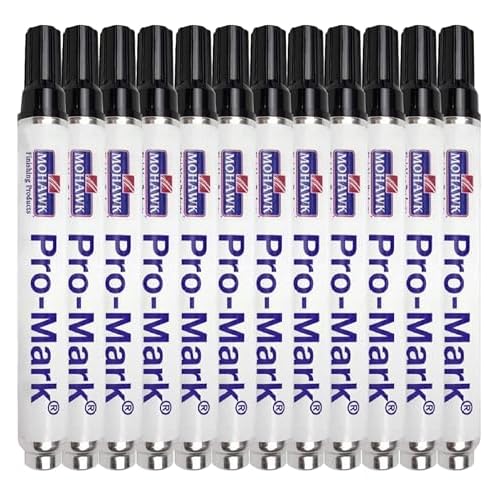
In cases of more significant wear, consider using a color-matched touch-up kit. Carefully follow the instructions, applying thin layers to avoid buildup. Once dry, a final layer of protective finish can enhance durability and shine, ensuring longevity for your beloved pieces.
Always keep in mind that regular maintenance plays a key role in preservation. A simple monthly treatment with a soft cloth and conditioner can go a long way in preventing future issues and keeping your treasures looking their best.
Repair Techniques for Your Upholstered Items
For scratches or small abrasions, a simple application of a suitable conditioner can fill in the gaps. Choose a product that matches the color of the surface and apply it gently with a soft cloth. This will help restore the luster and minimize the visibility of imperfections.
Dealing with Major Scratches
If you encounter deeper scratches, using a color-matching filler can be effective. Follow these steps:
- Clean the area with a mild soap solution and a soft cloth.
- Allow it to dry completely.
- Apply the filler using a small spatula or your fingertip, smoothing it into the damaged area.
- Once dry, gently buff the area with a soft cloth to blend it with the surrounding material.
Addressing Peeling or Cracked Surfaces
For sections that are peeling or cracking, take the following approach:
- Trim away any loose edges with precision scissors.
- Apply a strong adhesive specifically designed for upholstery.
- Press the edges down firmly and place a weight on top to ensure strong adhesion.
- After a few hours, touch up the area with color-matched conditioner to restore uniformity.
This proactive maintenance can significantly extend the life and appearance of your cherished items. Regular cleaning and conditioning play a vital role in preventing future damage. Always store near a stable temperature and humidity level for the best results.
Assessing the Damage on Your Leather Furniture
Begin by examining the area closely. Look for signs like cracks, tears, or stains. Identifying the type of blemish will dictate the approach.
Types of Damage
- Surface Scratches: Light markings often require minimal intervention. A clean cloth and conditioner can revitalize the surface.
- Deep Scratches and Scuffs: These may require a colored balm or specific filler to restore color and texture.
- Burns: Assess the depth. For superficial burns, a leather repair kit may suffice, while deeper damage may need professional assistance.
- Stains: Identify the source (oil, ink, water). Different types may need unique cleaning agents or methods.
- Tears: For small rips, adhesive solutions work, but larger rips often need specialized patches or stitching.
Inspection Process
- Wipe the surface with a damp cloth to remove dust and debris, allowing for a clearer view of imperfections.
- Gently run your fingers over the surface to feel for any raised areas or rough textures indicating deeper issues.
- Check beneath cushions and in hidden spots for wear that may not be immediately visible.
- Take note of any color fading, which can signal a need for dye restoration.
This thorough evaluation lays the foundation for effective treatments and ensures proper care moving forward.
Gathering Necessary Tools and Materials for Repair
Begin with a quality leather cleaner to remove any dirt or oils from the surface. This ensures the effectiveness of subsequent treatments. Look for a dedicated product that caters to various types of this material.
Next, secure some soft cloths or microfiber towels. These are vital for applying products without causing additional damage. A sponge can also be useful for larger areas.
For minor scratches or scuffs, obtain a leather balm or conditioner. This helps nourish the material and can mask small imperfections. Choose a product that matches the color of the item being fixed for optimal results.
If deeper damage is present, invest in a leather repair kit. These kits typically include adhesive, patches, and color compounds to blend repairs seamlessly. Ensure it contains materials that fit the specific type of finish on your item.
| Tool/Material | Purpose |
|---|---|
| Leather Cleaner | Removes dirt and oils |
| Soft Cloths/Microfiber Towels | Application of cleaner and conditioner |
| Leather Balm/Conditioner | Nourishes and masks imperfections |
| Leather Repair Kit | For patching and color blending on deep damage |
Additionally, have a pair of scissors and a utility knife handy for precise cutting of patches if necessary. A small bowl can be used to mix color compounds or adhesive for specific repairs.
Finally, wear gloves to protect your hands from chemicals and to maintain the integrity of the materials you’re working with. Gather all the tools and materials before starting your project to streamline the process. This will save time and ensure a smooth working experience.
Cleaning the Surface Before Starting the Fix
I always begin with a thorough cleaning to ensure a successful outcome. Mix a solution of warm water and mild soap. A soft, lint-free cloth works best for applying the mixture. Gently wipe down the entire area, being careful not to soak the material.
Removing Stains and Spots
If there are specific blemishes, I target them with a mixture of equal parts water and vinegar. Apply this solution on a cotton ball and dab gently on the stained area. Rinse with a damp cloth afterward to remove any residue.
Drying and Preparing for Further Steps
After cleaning, I let the surface air dry completely, avoiding direct sunlight or heat sources. This preparation step is vital as it allows any current oils and debris to evaporate, providing a clean canvas for subsequent work.
Repairing Minor Scratches and Scuffs
If I encounter minor scratches or scuffs on my upholstery, I focus on quick remedies that restore its appearance. One efficient approach involves using a small amount of leather conditioner. I apply it gently with a soft cloth, massaging the affected area. This not only nourishes the material but also helps blend the damage into the surrounding surface.
Utilizing Furniture Markers
For deeper marks, furniture markers become my go-to tool. I select a shade that closely matches the color of the piece. Carefully, I color in the scratch using light strokes, ensuring that I don’t overdo it. Once I achieve the desired match, I let it dry completely. This quick touch-up often yields impressive results.
Using a Repair Kit
Investing in a leather repair kit can be beneficial for minor damages. These kits usually contain color compounds and adhesive solutions. I follow the provided instructions, combining the necessary colors to match my upholstery. After prepping the area by cleaning, I apply the compound to the imperfection and let it dry thoroughly. Finally, I gently buff the area with a clean cloth for a seamless finish.
Testing any product on an inconspicuous part before full application helps avoid further complications. With a few simple techniques, I can bring life back to my cherished seating.
Fixing Tears and Rips in Leather Upholstery
To mend tears and rips, first align the edges of the damaged area. Use a leather adhesive to secure them in place. Apply a small amount to both sides, press together, and hold until set.
If the tear is larger, you may need to insert a patch. Cut a piece of matching material slightly bigger than the tear. Place it behind the damaged section and use the adhesive to attach it securely. Ensure the patch overlaps the edges of the tear for better support.
After securing the patch, blend it with the surrounding area. Use a leather dye that matches the original color, applying with a soft cloth. Buff gently once dry to ensure an even finish.
For added protection, consider using a leather conditioner after the repair. This helps restore moisture and flexibility, enhancing the overall appearance.
Applying Conditioners for Longevity
Regularly applying conditioners is key to maintaining the appearance and feel of your upholstery. I opt for high-quality products designed specifically for treated surfaces; these penetrate deeply and help restore moisture. Before application, I always test on a hidden area to ensure compatibility and avoid discoloration.
I use a clean, soft cloth to apply the conditioner in a circular motion, ensuring even coverage across the surface. It’s crucial to pay attention to seams and areas that experience frequent contact. After application, I allow the product to soak in for the time recommended by the manufacturer–usually 10 to 15 minutes. This step rehydrates the material, preventing cracks and wear.
Additionally, I make it a habit to condition every 6 to 12 months, adjusting frequency based on the climate and usage. High humidity or direct sunlight can accelerate drying, so I adapt my routine accordingly. Keeping a consistent schedule enhances the durability of the material.
Finally, after conditioning, I buff the surface with a clean, dry cloth to remove any excess product, ensuring a smooth finish. This final touch not only enhances the luster but also provides an additional layer of protection against daily wear and tear.
Choosing the Right Dye for Color Restoration
Select the appropriate dye based on the original shade of your item and the type of material it’s made from. Test a small, inconspicuous area first to ensure compatibility and desired effect.
Consider the following types of dyes:
| Type of Dye | Best For | Notes |
|---|---|---|
| Alcohol-based | Smooth surfaces | Dries quickly but may not penetrate deeply. |
| Aqueous | Absorbent materials | Soaking in for enhanced results. |
| Gel | Small areas and detailed work | Provides control for intricate designs. |
| Spray | Large areas | Quick application but requires even technique. |
Always choose a dye specifically formulated for restoration. Avoid using standard fabric dyes, as they may not adhere properly and can cause discoloration or damage.
After application, let the dye cure fully before applying any conditioners. This step ensures longevity in color and maintains surface integrity.
Preventing Future Damage to Your Leather Seating
Regular maintenance is key. I clean the surfaces using a soft, dry cloth to remove dust and debris weekly. A vacuum with a brush attachment works well for hard-to-reach corners.
Conditioning the Material
I apply a quality conditioner every six months. This keeps the material supple and helps ward off cracking. Look for products free of harsh solvents. Test any conditioner in an inconspicuous area before full application.
Avoiding Common Hazards
- Keep upholstery away from direct sunlight to prevent discoloration.
- Avoid placing heavy items on surfaces that can cause indentations.
- Be cautious with food and drinks. Use coasters and clean spills immediately.
- Ensure pets are kept away or use protective covers.
Using protective coverings is advisable, especially during gatherings. These can shield against spills, scratches, and general wear. Select breathable options to prevent moisture buildup.
Lastly, regularly inspecting for early signs of wear allows for quick preventive measures, ensuring longevity of the investment.


