Caleb Turner
To breathe new life into your garden or patio seating, I recommend starting with thorough cleaning. Use a mixture of warm water and mild soap, scrubbing with a soft brush to remove dirt and grime. Allow them to dry completely before proceeding.
Once dried, inspect for any peeling paint or weathered spots. Lightly sand these areas to create a smooth surface for the next coating. Use a fine-grit sandpaper for the best results, ensuring that the wood is not damaged in the process. After sanding, wipe down the surfaces again to remove dust particles.
Select a high-quality outdoor coating that suits your desired finish–be it matte, satin, or gloss. A sprayer or brush can be used for application, depending on the intricacies of the design. Make sure to apply multiple thin layers, allowing adequate drying time between each coat. This approach will enhance durability against the elements.
Finally, don’t forget about regular maintenance. Ensure to check for any signs of wear every season, which can help in prolonging the lifespan of your beloved outdoor items.


Steps to Restore Your Garden Seating
Clean the surface thoroughly with a mixture of mild soap and warm water, using a soft brush to remove dirt and grime. Rinse with clean water and allow it to dry completely before proceeding with any finishing materials.
Selecting the Right Coating
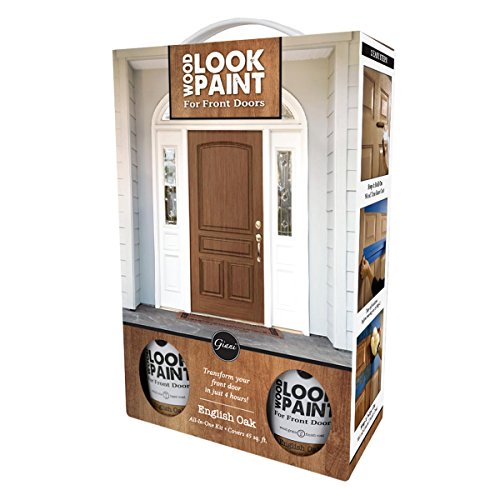
Choose a high-quality outdoor paint or stain specifically designed for application on wood. Consider formulas that offer UV protection and water resistance to ensure longevity. Read labels to confirm compatibility with previously used products.
Application Techniques
Utilize a fine-grit sandpaper to lightly scuff the existing finish, promoting better adhesion. Wipe down any dust with a damp cloth. Apply the chosen paint or stain using a brush or roller, ensuring even coverage. Follow the manufacturer’s guidelines regarding drying times between coats, typically two or three layers are ideal for durability.
After finishing, allow the items to cure for a few days in a shaded area to maximize the protective properties before placing them back in their usual spots. Regular maintenance, such as cleaning and touch-ups, will extend the life of your restored pieces.
Choosing the Right Type of Paint for Wood
I recommend using high-quality acrylic latex paint for its durability and ease of cleanup. This type of paint offers excellent adhesion and resistance to fading, making it ideal for surfaces exposed to sunlight and moisture.
For an added layer of protection, consider marine-grade paint or epoxy-based coatings. These products withstand harsh weather conditions, ensuring your structures remain intact and visually appealing for longer periods. They also provide a tough barrier that helps prevent water damage.
Don’t overlook the option of using a stain-sealant hybrid. This choice penetrates deeply into the grain of the timber, enhancing its natural beauty while creating a protective layer against UV rays and moisture.
Always check the label for weather resistance and drying time. Fast-drying options can be convenient, especially during unpredictable weather changes. Conduct a test on a small, inconspicuous area to see how the color looks once applied and dried.
If you prefer a specific finish, consider satin or semi-gloss variants for a subtle sheen and easier cleaning. These finishes will help maintain the surface while adding a touch of elegance.
Lastly, select paints that are specifically labeled for exterior use to ensure optimal performance in outdoor conditions. These are designed to withstand the elements better than traditional interior paints.
Preparing the Surface for Repainting
I begin by thoroughly cleaning the surface. Using a mixture of warm water and mild soap, I scrub away dirt, grime, and any mildew that may have built up. I then rinse the piece well and allow it to dry completely, as moisture can hinder adhesion.
If the surface has old, flaking, or peeling layers, I sand them down to create a smooth base. I opt for medium-grit sandpaper, usually around 120-grit, and work methodically to avoid gouging the wood. After sanding, I vacuum up the dust and wipe the surface with a damp cloth to remove any remaining particles.
If there are any deep scratches or holes, I fill them with a wood filler and let it cure according to the manufacturer’s instructions. Once dry, I sand the filled areas until they are flush with the surrounding surface.
I inspect the piece for moisture damage or rot. If I find any soft spots, I may need to treat them with a wood hardener or replace the affected wood sections entirely.
<pLastly, applying a primer specific for exterior applications or the type of paint I have chosen ensures better adhesion and longevity of the new finish. I ensure the primer is dry before proceeding with my selected color, allowing me to achieve the best result.
Best Techniques for Sanding Wooden Pieces
For optimal results, I recommend using a random orbital sander. This tool minimizes scratches while providing an even finish. For corners and detailed areas, hand sanding with sanding blocks is effective. Start with coarse grit, such as 80, to remove old finishes, then progress to finer grits (120, 220) for a smoother surface.
Always sand in the direction of the grain to avoid damage and improve adhesion. I typically break up the sanding process into stages, focusing on one section at a time to ensure thorough work. Between grits, I wipe the surface with a damp cloth to remove dust particles, ensuring a clean area for the next sanding phase.
| Grit Level | Purpose |
|---|---|
| 80 | Removing old finish and rough surfaces |
| 120 | Smoothing surface post-coarse sanding |
| 220 | Final smoothing before applying any coating |
For safety, using a dust mask is crucial; it protects against inhaling fine particles. After sanding, I always run my hand over the surface to feel for any rough spots. If I find any, I sand those areas specifically until they feel smooth to the touch.
Applying Primer: When and Why
Using a primer is a decisive step for achieving a durable finish on your exterior pieces. I apply primer when I want to ensure better adhesion of the topcoat, especially on previously stained or uneven surfaces. Primers can seal the surface and prevent the underlying materials from affecting the paint’s color and texture.
Best Practices for Primer Application
Before applying, it’s crucial to select a primer compatible with my chosen paint type. I opt for an oil-based primer for projects where moisture is a concern, as it offers excellent sealing properties. If I’m working with a latex topcoat, I would use a latex primer instead.
When applying primer, I make sure the wood is clean and dry. Using a brush or roller, I cover every exposed area evenly. If there are knots or resinous spots, I pay extra attention there, sealing them with a specific knot-sealing primer to prevent bleeding.
Timing for Primer Use
I always apply primer in favorable weather conditions, avoiding high humidity or direct sunlight to ensure an even application. After primer application, I allow sufficient drying time before moving on to the actual painting stage. This wait ensures a solid base for the top layer, significantly enhancing the overall longevity of the project.
Selecting Proper Brushes and Tools for Painting
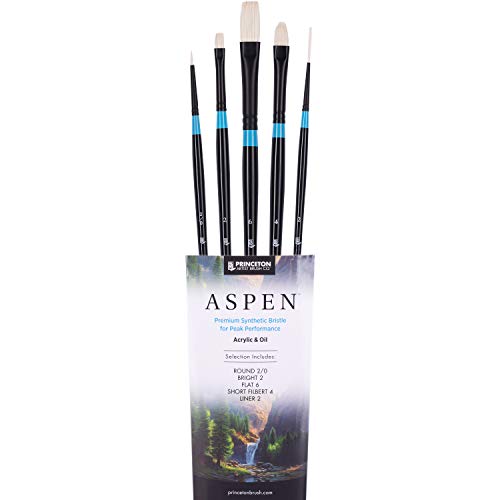
Choose synthetic brushes for water-based coatings and natural bristle brushes for oil-based ones. Quality brushes ensure even application and minimize streaks. I prefer a 2- to 3-inch angled brush for corners and intricate areas; it provides precision without sacrificing coverage.
Rollers and Sprayers
For larger surfaces, rollers can speed up the process. A roller with a medium nap works well on textured surfaces, while a smooth surface may require a short nap. If undertaking a bigger project or seeking a professional finish, a paint sprayer is an excellent investment. It applies a consistent coat and reaches crevices that brushes might miss.
Other Essential Tools
- Painter’s Tape: Use this to mask off areas you want to protect.
- Drop Cloths: Protect surrounding areas from spills and drips.
- Paint Tray: A sturdy tray simplifies loading brushes and rollers.
- Sandpaper: Invest in a range from coarse to fine grits for surface preparation.
Prioritize tool quality over cost; a well-maintained brush can last many projects. Cleaning brushes immediately after use extends their life, ensuring optimal performance every time.
Understanding Weather Conditions for Outdoor Painting
For optimal results, I choose days with mild temperatures between 50°F and 85°F (10°C to 29°C). Extreme heat can cause paint to dry too quickly, leading to poor adhesion, while cold conditions can prolong drying time, risking potential moisture issues.
Humidity Levels
I pay attention to humidity, aiming for levels below 70%. High moisture can interfere with paint consistency and curing, resulting in bubbles or peeling down the line. If it’s a damp day, I wait for clearer conditions.
Wind and Wind Chill
Wind can accelerate drying, which can be detrimental. I opt for calm days or areas sheltered from strong gusts. Additionally, wind chill factors can influence drying times, so it’s vital to consider temperature perception to prevent any complications with the finish.
Always consult a weather forecast before starting the project, ensuring conditions are optimal for a lasting finish.
Maintaining Your Repainted Furniture for Longevity
To ensure the durability of your refreshed pieces, perform regular inspections. Check for signs of peeling, dullness, or moisture damage.
Routine Cleaning
- Use mild soap and water to clean surfaces. Avoid harsh chemicals that can damage the finish.
- Dry immediately with a soft cloth to prevent water spots or mildew.
Protection from Elements
- Consider applying a protective sealant annually to shield against UV rays and moisture.
- To minimize exposure to rain or snow, store your items indoors during harsh weather conditions.
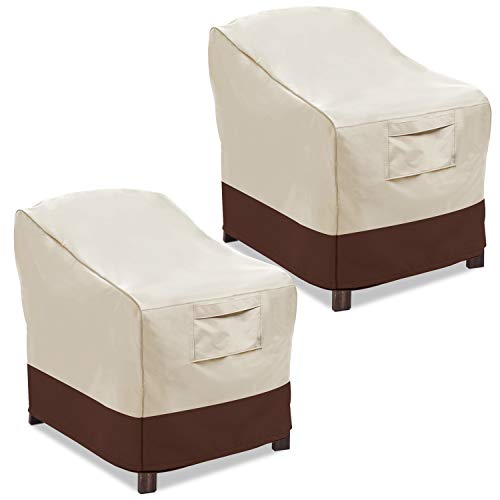
- Utilize furniture covers for added protection when leaving outside.
Inspect joints and fasteners regularly to maintain structural integrity. Tighten screws and replace any damaged components promptly.
By addressing these factors, the lifespan and appearance of your revitalized items will significantly improve.