
 Caleb Turner

Begin the process by thoroughly cleaning your piece. Use a mild detergent and a cloth to remove dust and grime. This step ensures proper adhesion of the new paint, leading to a more durable finish.
After cleaning, assess the surface for any damage. Fill in scratches or holes with wood filler. Once dry, sand the area smooth, creating an even base for your upcoming layers.
Select a pastel or muted color palette, typical of a vintage style. A chalk or mineral paint works wonderfully, as they provide a soft, matte finish. Apply a primer if the original surface has a glossy sheen to enhance the final appearance.
Utilize a quality brush or roller for application, ensuring to use long strokes for an even distribution. Multiple thin coats yield better results than a single thick layer. Allow ample drying time between coats for optimal durability.
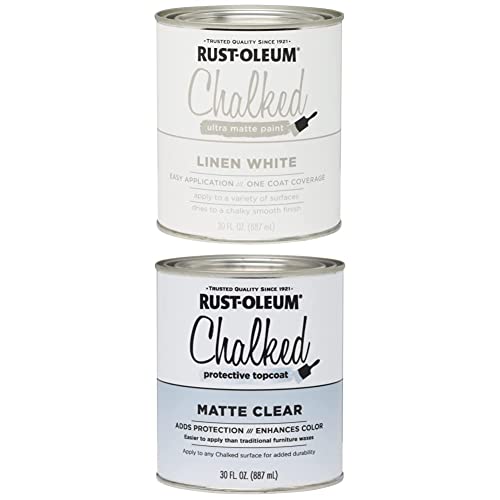
After the final coat dries, consider distressing edges using sandpaper for an authentic vintage appeal. Follow up with a clear wax or topcoat to protect the surface, ensuring longevity while enhancing the soft, aged look.


Tips for Transforming Distressed Pieces
I recommend thoroughly cleaning each piece to remove dirt and grease. A simple mixture of warm water and mild detergent works well.
After cleaning, lightly sanding the surface helps the fresh paint adhere better. Opt for a fine-grit sandpaper to avoid deep scratches that can mar the finish.
Choosing the right paint is key. Look for water-based, matte paints designed for a delicate finish. Chalk paint is a popular choice for achieving that soft, vintage look.
When applying the paint, consider using a foam roller for smooth surfaces and a brush for detailed areas. Apply thin layers to prevent drips and ensure an even application. I typically find two to three coats yield the best results.
For that truly charming aesthetic, distressing can add character. Once the paint is dry, gently sand the edges and high points to expose the base layer or wood beneath, creating an aged effect.
Don’t forget to seal your work. A clear wax or matte sealer protects the finish while enhancing the texture.
Here’s a simple table to outline the process:
| Step | Description |
|---|---|
| Clean | Remove dirt and grease with warm water and detergent. |
| Sanding | Lightly sand the surface for better paint adhesion. |
| Choose Paint | Select a water-based matte option, like chalk paint. |
| Application | Use a foam roller or brush for even coverage. Apply thin layers. |
| Distressing | Sand edges and high points for an aged appearance. |
| Sealing | Finish with a clear wax or matte sealer to protect the surface. |
Choosing the Right Paint for Shabby Chic Furniture
For a successful transformation, I prioritize selecting a matte or satin finish paint, as these textures provide the soft, aged aesthetic typical of this style. Chalk paint is my top choice due to its easy application on different surfaces and minimal need for prepping. It can adhere well without extensive sanding and gives that desired vintage appearance.
Color Selection
I often opt for pastel shades, muted tones, or soft whites, as they embody the romantic essence of the design trend. Colors like pale pink, mint green, or sky blue work beautifully together. I keep in mind the overall ambiance I want to create and choose hues that complement each other harmoniously.
Paint Brands to Consider
In my experience, several brands like Annie Sloan, Rust-Oleum, and Valspar provide excellent chalk paint options. Their formulations allow for a smooth finish and great coverage, ensuring fewer coats are needed. I also pay attention to the paint’s durability, looking for options that resist chipping while maintaining the desired distressed look once completed.
Preparing Your Furniture for Repainting
First, I inspect the piece for any damages such as scratches or dents. Repair any imperfections using wood filler, ensuring a smooth surface before proceeding. I sand the entire area with fine-grit sandpaper, which helps the new finish adhere better. Ensure to clean the dust afterward with a damp cloth.
Next, I remove hardware like knobs and hinges, taking care to label them to avoid confusion during reassembly. For intricate details, I use painter’s tape to protect areas I want to remain untouched, especially if they have a natural finish or different color. If the original finish is glossy or varnished, I apply a primer recommended for adhesion; this promotes better results.
Cleaning the Surface
I clean the piece thoroughly using a mixture of mild soap and water to eliminate grease and dirt. Rinse well and allow it to completely dry before applying any product. This step is crucial as it directly impacts the outcome of the painted appearance.
Final Check
Finally, I examine the furniture one last time to ensure it’s ready for the next stages. Any lingering imperfections will look worse after application, so this step is non-negotiable for achieving a polished look.
Techniques for Distressing the Paint Finish
Begin with sandpaper, using a medium grit (around 120) to selectively wear down areas that would naturally experience wear over time. Focus on edges, corners, and any surfaces that are frequently touched.
Natural Distressing Methods
- Object Scraping: Use a metal object, like a screwdriver or a putty knife, to gently scrape the paint in desired areas.
- Flecking: Lightly flick a stiff brush over the surface with a contrasting paint color for a speckled effect.
- Heat Distressing: A heat gun can be used at a distance to warp the paint, creating an irregular finish. Always use with caution.
Tools and Techniques
- Sandpaper or Sponge: A lighter grit (around 220) can be beneficial for achieving fine details after initial distressing.
- Distressing Wax: Apply wax to certain areas after painting for a muted, aged appearance.
- Glazing: Use a glaze to further enhance depth; apply over the distressed areas and wipe off excess.
Finish with a protective topcoat to seal the distressed look, ensuring longevity. Choosing the right topcoat depends on the desired sheen: matte for a more subdued effect or satin for a subtle shine.
Selecting a Color Palette for Shabby Chic Style
For an appealing aesthetic, I recommend focusing on soft, muted tones that evoke a sense of nostalgia. Shades such as pastel pinks, mint greens, and light creams work exceptionally well. Consider incorporating a few darker shades for contrast, like charcoal gray or deep navy, which can add depth without overpowering the delicate overall look.
Creating Cohesion
Establishing harmony among colors is vital. I often select a primary hue for larger pieces and then choose complementary or analogous colors for accents. A good rule of thumb is to use a ratio of 60% dominant color, 30% secondary, and 10% accent shades, ensuring a balanced visual appeal.
Inspiration Sources
Using nature and vintage items as inspiration can lead to a beautiful and cohesive color palette. I find that colors seen in faded floral patterns, weathered wood, and even stones can ignite creative color combinations. Create a mood board to visualize how different shades interact with one another, and adjust accordingly before proceeding with any project.
Applying Primer for Better Paint Adhesion
Before applying any top coat, I always ensure to use a high-quality primer. This step guarantees that the paint adheres properly and doesn’t peel or chip off prematurely. Primer creates a binding surface and helps achieve a smooth finish, essential for a vintage look.
Selecting the Right Primer
Opt for a latex or shellac-based primer depending on the surface material. For wooden pieces, latex works well, while shellac is ideal for surfaces that might bleed through, such as mahogany. I prefer a white or light-colored primer, which enhances the vibrancy of subsequent layers.
Application Technique
Applying the primer with a brush or roller ensures even coverage. I use a foam roller for flat surfaces, while a brush is excellent for corners and detailed areas. Lightly sand the primer once it’s dry for better adhesion of the paint. This step smooths out any texture and promotes a flawless finish.
Methods for Achieving a Weathered Look
To create an authentic aged appearance on your piece, I recommend using a combination of techniques for maximum effect. First, consider using a sandpaper or a sanding block with medium grit to wear down edges and corners. This method effectively exposes the underlying layers, giving an antique feel to the surface.
Layering Techniques
Applying multiple layers of paint in contrasting shades can enhance the weathered effect. Start with a darker base and add a lighter top coat. Once dry, lightly sand the top layer, revealing the darker color underneath in a natural way.
Using Glazing for Depth
A glazing technique adds complexity to the surface. Mix your choice of paint with a glazing medium, then brush it onto areas where aging would realistically occur. Wipe off the excess with a rag, allowing some to settle in crevices for a more genuine look.
Lastly, consider using a dry brush technique for highlights. Dip a brush into your lighter paint color, remove most of it, and gently drag it over the textured areas. This creates a subtle, worn appearance.
Experimenting with these methods will help achieve that perfect rustic charm, making any item feel like a treasured find from a bygone era.
Finishing Touches: Sealants and Top Coats
For the final layer, I recommend using a high-quality top coat to protect the surface and enhance durability. Select between matte, satin, or glossy finishes based on the desired look. A matte finish offers subtle elegance, while satin provides a slight sheen, and glossy adds a vibrant glow.
Types of Sealants
- Polycrylic: Excellent for water-based paints; it dries quickly and preserves color without yellowing.
- Polyurethane: Offers superior durability; ideal for pieces subjected to heavy use. Choose water-based varieties for less odor and quicker drying times.
- Wax: Provides a soft, natural finish. Buffing after application achieves a lovely sheen, but it may require more frequent reapplication.
Application Tips
- Ensure the painted surface is fully cured before applying sealants, typically 24-48 hours.
- Use a high-quality brush or foam applicator for an even coat, avoiding bubbles and streaks.
- Apply thin layers, allowing each coat to dry completely before adding another; this ensures better adhesion and a smoother finish.
- For a softer look, consider lightly sanding between coats with fine-grit sandpaper to enhance adhesion and achieve a velvety texture.
Finally, allow the completed piece to cure for several days in a well-ventilated area before heavy use. This ensures maximum hardness and longevity, sealing in all your hard work beautifully.
Incorporating Textures and Patterns
To elevate the visual appeal of your rustic pieces, I recommend integrating various textures and patterns. Using a sponge or a brush, I apply a rag rolling technique to create subtle patterns on the surface. This adds depth and interest while maintaining a charming aesthetic.
For more complexity, stencils are a perfect choice. They allow me to introduce intricate designs, from floral motifs to geometric shapes. I prefer using a lighter shade of paint for stenciling to ensure it contrasts nicely with the base coat.
Additionally, consider layering different materials. Mixing decoupage with painted finishes introduces unique elements. I often choose vintage wallpaper or fabric patterns, adhering them directly to the surfaces for a delightful eclectic look.
Distressing techniques also play a vital role. I lightly sand specific areas after applying the paint to reveal underlying layers, simulating age and wear. This approach enhances the overall feel, marrying textures beautifully.
Using crackle medium is another method I enjoy. Applying it between two paint layers allows for a timeworn effect that instantly enriches the character of the piece.
Finally, I experiment with mixed media, incorporating items like leather, jute, or lace to add unique tactile elements. Striking a balance between painted surfaces and these materials creates a cohesive, inviting atmosphere for any space.
Caring for Your Newly Painted Shabby Chic Furniture
To maintain the charm of my recently transformed pieces, I make sure to clean them gently using a soft, damp cloth. Avoiding harsh chemicals is key to preserving the paint finish. If needed, I use a mild soap solution, ensuring to rinse and dry the surface immediately.
Regular Maintenance Routine
I incorporate a regular inspection routine, looking for any signs of wear or chips. Touching up small imperfections with the same paint helps keep the aesthetics intact. For routine dusting, a microfiber cloth works wonders, preventing dirt build-up while being gentle on the paintwork.
Environmental Considerations
Placing the pieces away from direct sunlight helps prevent fading. Extreme humidity can also impact the finish, so finding a suitable location is essential. If my items are in a more humid area, I consider using moisture-absorbing products to protect them.
FAQ:
What materials do I need to repaint furniture in a shabby chic style?
To repaint furniture in a shabby chic style, you’ll typically need chalk paint, a paintbrush or roller, a sanding block or sandpaper, a clear sealant (like wax or a polycrylic finish), and a lint-free cloth. Optionally, you might want stencils or decorative elements like knobs or handles to enhance the design. Make sure you prepare your workspace with a drop cloth to protect the surrounding area.
How do I prepare my furniture before repainting it in a shabby chic style?
Before starting the painting process, it is important to clean the furniture thoroughly to remove any dust or grease. Next, if the existing finish is glossy, lightly sand the surface to create a better grip for the new paint. If there are any chips or imperfections, consider filling those in with wood filler. Once the surface is smooth and clean, wipe it down with a damp cloth to remove any sanding dust before painting.
Can I use regular paint instead of chalk paint for a shabby chic look?
Regular paint can be used, but using chalk paint is preferred for achieving the traditional shabby chic appearance. Chalk paint has a matte finish and creates a more textured, vintage feel that is characteristic of this style. If you choose to use regular paint, consider adding a bit of baking soda to give it a more textured finish. However, you may need to sand and distress the surface more to achieve the right look.
What techniques can I use to create the distressed look typical of shabby chic furniture?
To create a distressed look, after applying your base coat of chalk paint, allow it to dry completely. Once dry, use sandpaper to lightly sand down areas where wear and tear would naturally occur, such as edges and corners. This technique reveals some of the underlying wood or the color of the base coat. Additionally, you can apply a second color in certain areas and then sand back to show the first color. A soft cloth can help smooth out any rough patches after sanding.
How can I protect my newly painted shabby chic furniture?
To protect your painted furniture, applying a clear sealant is recommended to guard against scratches and stains. Wax finishes provide a nice sheen and a natural feel, while polycrylic finishes offer a more durable surface. Make sure to apply the protective coat after the paint has fully dried, and follow the manufacturer’s instructions for the best results. Regular maintenance, such as avoiding direct sunlight and cleaning with a gentle cloth, will also help preserve the beauty of your furniture.
What materials do I need for repainting furniture in a shabby chic style?
To achieve the shabby chic look, you’ll need a few key materials. First, select furniture that you want to repaint. Then, gather sandpaper for surface preparation and a cloth for dusting off any debris. You’ll need chalk paint or furniture paint in your chosen color, as this type of paint adheres well and gives a matte finish. Consider purchasing a good quality paintbrush or a foam roller for a smoother application. A sealant or topcoat can also be useful to protect your work. Optional items include decorative sandpaper for distressing and stencils for added design details.
How do I achieve the distressed look characteristic of shabby chic furniture after painting?
To create a distressed look, begin by painting your furniture with your chosen chalk paint, applying one or two coats as needed. Once the paint is dry, take fine-grit sandpaper and gently sand areas on the edges and surfaces where natural wear would occur. Focus on corners, around handles, and any raised details. This will expose the original wood or the underlying color, creating that charming, worn appearance. If desired, you can further enhance the look with a glaze or wax finish, which can add depth and character. Remember to work slowly and check your progress frequently to ensure you achieve a balanced, beautiful distressing effect.


