
 Caleb Turner

I recommend stripping the old finish properly for a smooth transformation of your sturdy items. Begin with a high-quality paint stripper to remove any existing coatings. Apply it generously and allow it to sit for the time specified on the product label. Once the old finish is softened, use a scraper to gently lift it away, ensuring not to gouge the underlayer.
After you’ve stripped the surface, sand it down using fine-grit sandpaper to prepare it for a new coat. Focus on achieving a uniform texture, paying special attention to corners and crevices. Vacuum away dust and wipe down with a damp cloth to ensure a clean surface, which will help the new layer adhere properly.
Select a high-coverage primer designed for the material you’re working with. This step creates a barrier and helps prevent stains from seeping through, improving the longevity of your finish. Once applied, let it dry completely before you proceed to your chosen top coat.

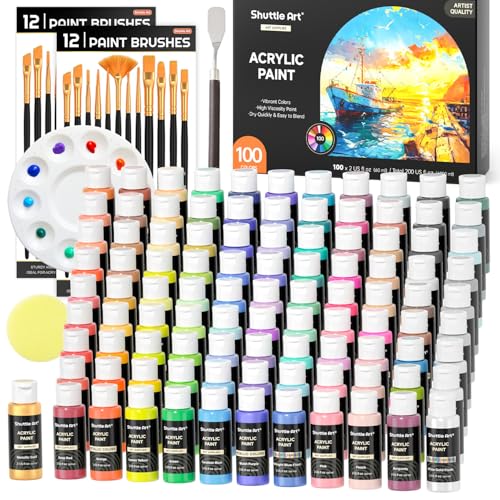

Choose a durable paint in a color that suits your desired aesthetic. Apply multiple thin coats, allowing adequate drying time between applications. This technique not only enhances the final appearance but also ensures a more resilient finish that can withstand daily wear.
Repainting Techniques for Dark Wooden Pieces
For a smooth application, I first sand the surface using fine-grit sandpaper. This ensures the new finish adheres properly. I pay attention to any existing imperfections and fill them with wood filler if necessary.
I select a high-quality primer suitable for the type of paint I plan to use. Applying primer acts as a base layer, enhancing the finish’s durability. I typically use a foam roller for larger areas and a brush for detailed work, ensuring an even coat.
| Step | Tool | Purpose |
|---|---|---|
| Sanding | Fine-grit sandpaper | Prepares the surface |
| Priming | High-quality primer | Enhances adhesion |
| Paining | Foam roller & brush | Ensures an even finish |
Once the primer dries, I apply at least two coats of a paint suited for cabinetry or trim. Between coats, I lightly sand with very fine grit to maintain a smooth surface. After the final coat, I allow ample drying time before handling the item.
To maintain the new look, I recommend using a soft cloth for cleaning and avoiding harsh chemicals that may damage the finish.
Choosing the Right Type of Paint for Wood
For transforming your piece, I recommend using acrylic latex or alkyd paint. Acrylic latex adheres well and is water-based, making it easy to clean up while providing durability. Alkyd paint offers a glossy finish and superior toughness, ideal for high-use items.
Comparison of Paint Types
| Paint Type | Base | Durability | Drying Time | Cleanup |
|---|---|---|---|---|
| Acrylic Latex | Water | Moderate | 1-2 hours | Soap and water |
| Alkyd | Oil | High | 6-8 hours | Solvent required |
| Chalk Paint | Water | Low | 1-2 hours | Soap and water |
Finish Options
For a smooth, glossy appearance, an alkyd will serve well, while a matte finish can be achieved with acrylic or chalk paint for a more casual look. Consider the item’s use; high-traffic items benefit from harder finishes.
Test your chosen product on a small hidden area to ensure compatibility and desired appearance.
Preparing the Surface for Refinishing
Thoroughly clean the item to remove dust, grease, and grime. I use a mixture of warm water and mild soap, applying it with a soft cloth. Afterward, I ensure it dries completely to avoid moisture issues during the application process.
Sanding the Surface
I opt for a medium-grit sandpaper (about 120 grit) to gently scuff the original finish. This step creates a better bonding surface for the new layer. Following this, I switch to a finer sandpaper (around 220 grit) to smooth everything out. I always sand in the direction of the grain to prevent scratches that can show through the new coat.
Cleaning Residue
Post-sanding, I wipe down the surface with a damp cloth to eliminate dust particles, followed by a dry cloth to ensure no moisture remains. For added assurance, sometimes I use a tack cloth to capture any lingering fine dust, which aids in achieving a flawless finish later.
Selecting the Best Primer for Dark Wood
For optimal adhesion and coverage, I recommend using a shellac-based or oil-based primer when working with richly stained surfaces. These primers effectively block stains and prevent tannins from bleeding through the paint, ensuring a clean finish.
Shellac-Based Primers
Shellac primers dry quickly and are excellent for sealing odors while providing great stain-blocking capabilities. They’re particularly useful in situations where a fast turnaround is desired. I prefer brands like Zinsser BIN, which offer reliable performance and can be sanded for a smoother application.
Oil-Based Primers
Oil-based options are also worth considering due to their durability and strong adhesion properties. They might take longer to dry, but they establish a robust bond, making them ideal for heavier coats of paint. Look for primers like KILZ Original for its time-tested effectiveness.
Before application, ensure the surface is clean and free of dust and grease. A light sanding can improve the primer’s grip. Always test a small area first to confirm compatibility with your chosen paint and the desired finish.
Techniques for Applying Paint Evenly
For a smooth finish, I always ensure that the paint is thoroughly mixed before application. This prevents separation and guarantees uniform color throughout. Using a high-quality brush or a roller is key; synthetic brushes work well with water-based products while natural bristles are ideal for oil-based paints.
When applying the first coat, I use long, even strokes, moving in one direction to avoid unsightly streaks. I find that working in small sections allows me to maintain better control and achieve a more consistent finish. Spraying is another option; I utilize a paint sprayer for a flawless coat, ensuring I practice on scrap material to adjust the settings.
Layering Technique
After the initial layer dries, I lightly sand the surface with fine-grit sandpaper. This step promotes adhesion for subsequent coats. Following the sanding, I apply a second coat using the same technique, ensuring I observe the drying times recommended by the manufacturer for optimal results.
Finishing Touches
For an ultra-smooth finish, I employ a foam brush for the final coat. This helps eliminate brush marks and provides a polished look. Once the last layer is applied, I allow it ample time to cure before reassembling or using the item, ensuring the best possible durability and appearance.
Understanding Drying Times and Curing Processes
For optimal results, it’s paramount to understand the drying and curing phases after applying paint to surfaces. Drying times can vary significantly based on the type of paint used and environmental conditions.
Drying Times
- Latex paints generally dry to the touch within 1-2 hours but require a full 4-6 hours before a second coat.
- Oil-based paints take longer, typically reaching a dry state in 6-8 hours, with a recommended wait time of at least 24 hours for the next application.
- Humidity and temperature play a crucial role; lower temperatures and higher humidity levels will extend drying times.
Curing Processes
Curing is the phase where the paint achieves its full hardness and durability, which is often misunderstood as mere drying.
- Latex finishes generally reach full cure within 2-3 weeks, whereas oil-based products may take up to a month.
- Avoid heavy usage or cleaning during this period to prevent damage to the surface.
- Consider the environment–good ventilation accelerates curing, while a closed-off area might slow it down significantly.
Monitoring these phases will ensure a beautiful and lasting finish on renovated pieces.
Sealing the Painted Surface for Longevity
For durability of the newly finished piece, applying a sealant is crucial. Options include polyurethane, varnish, or a water-based sealer. Each provides a protective barrier against scratches and moisture.
- Choose the Right Sealant: Pick a product compatible with the paint type used. Oil-based paints work well with oil-based sealants, while water-based paints require a water-based option.
- Application Method: Use a high-quality brush or foam applicator for an even finish. Avoid overworking the surface to prevent bubbles and streaks.
- Multiple Coats: Apply at least two to three thin layers, allowing each to dry thoroughly between applications. This builds a robust protective layer.
Pay attention to the drying times indicated by the manufacturer, as some sealants may require extended curing periods before the furniture can be used.
- Prepare the surface by lightly sanding between coats to enhance adhesion.
- Finish with a final polish once the last coat is dry for a smooth texture.
Adequate sealing not only enhances the aesthetic appeal but also significantly prolongs the lifespan of the piece, allowing it to withstand daily wear and tear.
Color Selection Tips for Repainting Dark Furniture
Selecting the right hue can transform an item significantly. For a sophisticated touch, consider deep shades like navy blue or emerald green. These colors add depth while complementing the original character of the piece.
Neutral Options
Neutral tones such as taupe, gray, or beige can create a calming effect and easily blend with various interior styles. They provide a versatile foundation that allows for the addition of colorful accessories.
Bold Choices
If you prefer a dramatic shift, go for vivid colors like coral or mustard. These shades create striking contrasts and can serve as focal points in a room. Just ensure that the overall decor aligns with these bolder choices to maintain harmony.
Testing samples on a small, inconspicuous area helps visualize the final look before committing. Lighting conditions can alter perceived colors, so examine your selections under both natural and artificial lights.
Maintenance Tips for Repainted Furniture
Regular dusting with a soft, lint-free cloth keeps surfaces free from debris that can cause scratches. Avoid harsh chemicals; instead, use a mild soap and water solution for cleaning occasional stains.
Protective Measures
Place coasters and placemats to prevent moisture and heat from damaging the finish. Use felt pads under items to avoid scratches on the surface. Whenever possible, avoid exposing new finishes to direct sunlight to prevent fading.
Routine Checks
Inspect for chips or scratches during cleaning. Small damages can be touched up easily with matching paint. Reapply protective topcoats every couple of years to maintain the integrity of the finish and enhance durability.
FAQ:
What materials do I need to repaint dark wood furniture?
To repaint dark wood furniture, you will need several materials. First, gather sandpaper (medium and fine grit) to prepare the surface by removing the existing finish. Next, you will need a primer, particularly one designed for wood, to ensure good adhesion of the paint. Choose your paint, either latex or oil-based, depending on the finish you prefer. Additionally, have brushes and rollers for application, as well as a drop cloth and painter’s tape to protect surrounding areas. Lastly, a topcoat can be beneficial for durability and protection.
How do I properly prepare dark wood furniture for repainting?
Preparing dark wood furniture involves several key steps. Start by cleaning the surface with a mild detergent to remove any dirt and grease. Next, use sandpaper to lightly sand the furniture. This step is important as it helps the primer adhere better to the surface. After sanding, wipe down the furniture with a damp cloth to remove dust. If the furniture has a glossy finish, more sanding may be required. Finally, apply a wood primer to ensure that the new paint color adheres well and the dark wood does not bleed through.
Can I skip priming when painting dark wood furniture?
Skipping the priming step is not recommended when painting dark wood furniture. Priming helps seal the wood and prevents the dark color from bleeding into the paint, which can alter the final appearance. It also creates a better surface for the paint to adhere to, ultimately contributing to a more durable finish. If you’re using a paint that claims to be self-priming, consider doing a small test to see if it effectively covers the dark wood before proceeding with the entire piece.
What are the best paint types for dark wood furniture?
The best paint types for dark wood furniture include latex and oil-based paints. Latex paints are known for their ease of use, quick drying time, and low odor, making them a popular choice. They provide a durable finish and are easy to clean with soap and water. On the other hand, oil-based paints are more durable and offer a smoother finish, but they take longer to dry and emit stronger odors. Choosing high-quality paint in either category will yield the best results, so look for options that are specifically designed for furniture or cabinetry.


